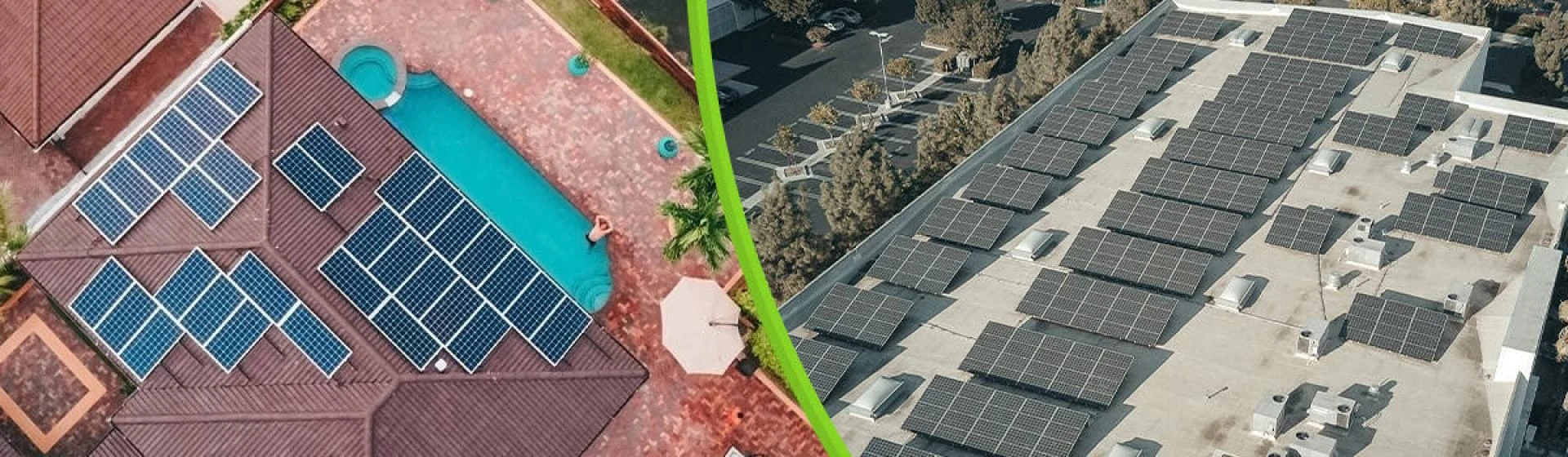
In recent years, solar energy has emerged as a promising alternative to traditional energy sources, offering a cleaner and more sustainable solution to meet our power needs. Both residential and commercial sectors are increasingly turning to solar panels to reduce their carbon footprint and lower energy costs. However, there are key differences between residential and commercial solar panels that are important to understand before making the switch.
Size and Capacity: One of the most significant differences between residential and commercial solar panels is their size and capacity. Residential solar panels are typically smaller in size and have a lower capacity compared to commercial panels. This is because residential systems are designed to meet the energy needs of a single household, while commercial systems are larger and can power entire buildings or facilities.Design and Installation: Residential solar panels are usually installed on the roofs of homes, while commercial solar panels are often installed on the roofs of large buildings or on the ground. Commercial systems may also require more complex installation processes due to their larger size and capacity.
Cost: The cost of residential solar panels is generally lower than that of commercial panels, primarily due to their smaller size and capacity. However, the overall cost of a solar panel system depends on various factors, such as the size of the system, the quality of the panels, and the installation costs.
Energy Output: Commercial solar panels have a higher energy output compared to residential panels, mainly due to their larger size and capacity. This means that commercial systems can generate more electricity, making them suitable for powering large buildings or facilities.
Regulations and Incentives: There are also differences in regulations and incentives for residential and commercial solar panels. In many places, there are specific regulations and incentives for each sector, such as tax credits or rebates for installing solar panels.
Conclusion: In conclusion, while residential solar panels and commercial solar panels serve the same purpose of harnessing solar energy, there are significant differences between the two. Residential panels are smaller, have lower capacity, and are designed for single households, while commercial panels are larger, have higher capacity, and are suitable for powering large buildings or facilities. Understanding these differences can help individuals and businesses make informed decisions when choosing a solar panel system that best suits their needs.


























Sign in to leave a comment.