

The world of candy making has changed dramatically over the years. What once required hours of manual effort and craftsmanship can now be done in minutes with modern machines. If you’re planning to enter the confectionery business, understanding the difference between traditional and modern candy manufacturing equipment is essential.
Let's take a look at how these two categories of equipment compare, and why it is important to today's candy manufacturers.
Speed and Efficiency
One of the most apparent differences between old and new equipment is speed.
Old machinery, manually driven or semi-automatic, was intended for small batches. An hour's time or more was required to do one batch, from cooking to moulding the candy. It took a lot of manpower and time, obviously constraining the quantity that could be made per day.
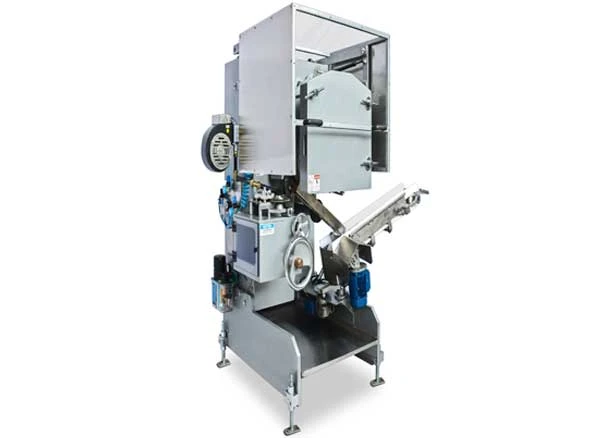
New candy making machinery, however, is designed for efficiency. Fully automatic equipment can churn out hundreds of kilograms of candy an hour with very little human touch. Whether boiling, shaping, cutting or cooling, everything is quicker, cleaner and more consistent.
For companies wanting to scale up or fulfil large orders, new machines provide a definite edge.
Quality and Consistency
While old-fashioned candy making had a lot of artistry to it, it also had a lot of variability. Individual batches could be slightly different in texture, flavour or appearance depending on the error of the human hand or outside influences such as temperature and humidity.
Current candy manufacturing equipment employs specialist temperature controls, timing devices and automated systems to the extent that each and every piece of candy appears and tastes just so. Consistency is a massive selling point within today's competitive marketplace, where reputation relies upon consistency.
Of course, most artisan brands retain traditional methods for their "handmade" visual appeal – but for large-scale production, consistency is imperative.
Labour and Skill Requirements
Traditional confectionery production was extremely labour-intensive. It required skilled hands that had been apprenticed for years. Processes such as pulling toffee or hand-shaping sweets were skills inherited over generations.
Modern machinery today minimises the requirement for specialised skills. Operators are still necessary, but the emphasis has moved to machine maintenance and handling instead of the art of candy making itself. Training is quicker and the amount of workforce needed is less, enabling companies to cut costs.
Some high-end brands, however, still indulge in the "handmade" element to build a niche identity.
Investment and Running Costs
In terms of costs, both the start-up cost and operating cost need to be compared.
Traditional equipment is generally more expensive to start up. A small candy operation may be able to start using basic cooking and shaping equipment without investing a great deal. However, traditional equipment tends to cost more to operate due to labour, wastage and reduced output.
New candy-making equipment is more expensive to buy at first, but the investment pays in the long run. Equipment is quicker, energy-efficient, and less labour-intensive. Furthermore, new equipment from reliable sources such as DhimanGroup provides energy-saving models that cut down on electricity expenses by a large margin in the long run.
For companies seeking long-term expansion, new machinery is an easier financial choice.
Innovation and Product Range
New equipment also provides more scope for innovation. Equipment today can make complex shapes, multi-layered sweets, filled centres, sugar-free sweets and more.
Old ways are restricted by man's ability. To make a multi-coloured layered sweet manually, for instance, would be too time-consuming and subject to error. Equipment today, however, can make intricate designs with ease and speed.
This implies that companies employing up-to-date machinery are able to react quicker to trends and provide a greater variety of products to consumers.
Maintenance and Durability
Old candy-making equipment was easier to maintain and less complicated, but it also deteriorated quickly because it was handled manually all the time.
Modern machines are designed to be durable. DhimanGroup and other suppliers provide machines made of high-grade stainless steel and food-grade materials, which improve longevity and maintenance. Most modern machines also have warranty and technical support facilities, which make after-sales service a less painful experience.
Final Thoughts
Both old and new candy production machines have their respective charm and application. The use of traditional production methods has its nostalgic, home-made charm, which still charms many consumers, particularly in targeted markets. Yet for companies wishing to expand, produce in quantities, and introduce new ideas, new candy making equipment is apparently the direction forward.
As the market continues to evolve, balancing the art of traditional candy-making with the science of modern production could be the sweet spot for many brands.
If you are considering upgrading or starting fresh, investing in reliable, modern equipment from a trusted supplier like DhimanGroup could be the best decision for your candy business's future.



























Sign in to leave a comment.