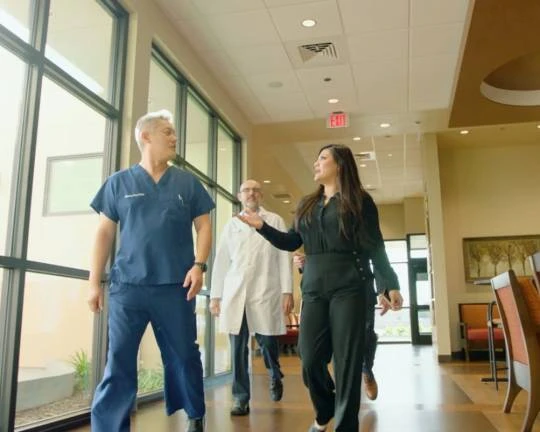

As people age, their oral health needs become increasingly important, yet often overlooked. Elderly individuals in nursing homes face unique challenges in maintaining good dental care due to physical limitations, medical conditions, or lack of access to proper dental services. Poor oral hygiene can lead to pain, infections, difficulty eating, and even more serious health complications such as cardiovascular disease or pneumonia. Providing compassionate and consistent dental care for the elderly in nursing homes is not just about preserving smiles - it’s about safeguarding overall health and improving quality of life.
One of the main reasons dental care is crucial for the elderly is that age often brings conditions like gum disease, dry mouth, or tooth decay. Many residents take multiple medications, some of which reduce saliva flow, making teeth more prone to cavities. For seniors wearing dentures, ill-fitting appliances can cause discomfort, sores, or infections if not regularly checked. Ensuring routine dental assessments helps identify these issues early and prevents further complications that may affect nutrition and overall well-being.
Another critical factor is the role of caregivers and nursing staff. Since many elderly residents cannot maintain their oral hygiene independently, caregivers must be trained and supported in delivering daily dental care. Simple practices such as brushing, flossing, and denture cleaning can make a significant difference. Nursing homes that prioritize oral health as part of their overall care routine show greater commitment to the dignity and comfort of their residents.
Access to professional dental services is equally vital. Regular visits from mobile dental teams or partnerships with local dental clinics ensure that residents receive professional check-ups, cleanings, and treatments without the difficulty of traveling. Mobile dental units can provide essential services such as fillings, extractions, and adjustments to dentures directly within nursing homes, eliminating barriers for those with mobility challenges.
Beyond physical health, dental care also impacts emotional well-being. A healthy smile boosts confidence, improves social interactions, and helps seniors feel more comfortable in their daily lives. For many elderly individuals, maintaining oral health preserves a sense of independence and self-worth. Compassionate dental care addresses not only physical needs but also emotional comfort, reinforcing the idea that every resident deserves dignity and respect.
Lastly, dental care for the elderly in nursing homes is about more than maintaining teeth - it’s about promoting health, comfort, and quality of life. By addressing age-related dental challenges, empowering caregivers, and ensuring access to professional services, nursing homes can significantly improve residents’ well-being.


























Sign in to leave a comment.