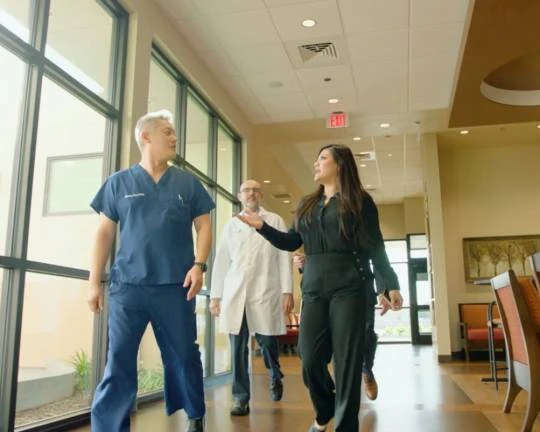

Access to dental care remains a major challenge for people living in remote or underserved areas. Many communities lack nearby dental clinics, making regular checkups and treatments difficult to obtain. A mobile dental clinic helps bridge this gap by delivering professional oral healthcare services directly to patients.
Expanding Access to Dental Care
Mobile dental clinics are designed to reach communities that traditional dental practices often cannot serve. In many rural areas, the nearest dental office may be hours away, creating transportation and cost barriers for patients. Mobile units remove these obstacles by traveling directly to the communities in need. As a result, patients who might otherwise delay or avoid treatment can receive timely dental care. This approach is especially helpful for families with limited transportation options or demanding work schedules. Children and elderly residents benefit greatly when dental care becomes accessible within their own neighborhoods.
Key ways mobile clinics improve access include:
- Providing dental services in rural and isolated communities
- Reducing transportation challenges for patients
- Offering care in schools, community centers, and local events
- Supporting elderly or disabled patients who cannot travel easily
Comprehensive Services on Wheels
Modern mobile dental clinics are equipped with advanced technology that allows dentists to perform many of the same procedures offered in traditional offices. These clinics typically contain dental chairs, sterilization equipment, digital X-ray machines, and diagnostic tools. This setup allows dental professionals to deliver safe and efficient treatment even while operating from a mobile environment. Patients can receive preventive care as well as certain restorative treatments without leaving their community. Some advanced mobile clinics also include portable laboratory tools that allow dentists to complete minor procedures more quickly and efficiently during a single visit.
Common services provided by mobile dental clinics include:
- Routine dental exams and oral health screenings
- Teeth cleaning and preventive care
- Digital X-rays and diagnostic imaging
- Basic restorative treatments such as fillings
- Oral health education and hygiene guidance
Improving Community Health
Oral health plays a critical role in overall well-being, yet many people neglect dental care due to limited access or financial constraints. Mobile dental clinics help address this issue by focusing on prevention and early treatment. Detecting dental problems early can prevent more serious conditions such as infections, gum disease, and tooth loss. These clinics also educate patients about proper brushing, flossing, and dietary habits that support long-term oral health. Educational programs conducted during visits help children understand the importance of dental hygiene from an early age.
Community benefits often include:
- Early detection of dental issues
- Reduced risk of severe oral infections
- Increased awareness of dental hygiene practices
- Improved overall community health outcomes
Cost-Effective Healthcare Delivery
Operating a traditional dental clinic in remote areas can be costly and difficult to maintain. Mobile dental clinics offer a flexible and cost-effective alternative for healthcare providers and organizations. By traveling to multiple communities, one mobile unit can serve many patients across a wide region. Governments, nonprofit organizations, and healthcare programs often support these initiatives to ensure underserved populations receive essential care. This model allows healthcare providers to reach more patients without the expense of building permanent facilities in every location. It also improves efficiency by allowing dental teams to organize scheduled visits in different areas.
Important advantages of mobile clinics include:
- Lower operational costs compared to permanent facilities
- Ability to serve multiple locations efficiently
- Support for public health programs and outreach efforts
- Increased healthcare accessibility for underserved populations
Final Thoughts
Mobile dental clinics play a vital role in improving access to oral healthcare for people living in remote or underserved areas. By delivering professional dental services directly to communities, they reduce barriers related to distance, cost, and transportation. As these programs continue to grow, mobile dental care will remain an important solution for promoting healthier smiles and stronger communities.





























Sign in to leave a comment.