

As parents, grandparents and older relatives age, families often struggle to balance safety, independence and emotional well-being. You want your loved one to stay in the place that feels most like home, yet you also want them to have the support they need to live safely and comfortably. That’s where professional home care services can make a meaningful difference.
By pairing practical assistance with companionship and personalized support, these services offer a compassionate alternative to facility-based care.
They help older adults remain where their memories, routines and sense of identity live—while easing the worry that often weighs on family members. Below is a closer look at why bringing care into the home can be one of the most impactful choices you make for someone you love.
Personalized care plans that honor individual needs
No two aging journeys look the same. Some seniors need help with bathing or dressing, while others require support with mobility, meal preparation or medication reminders. Professional caregivers begin by learning your loved one’s preferences, lifestyle and daily routines, then build a care plan that matches those needs with the right level of support.
These plans are flexible and may include:
- Morning and evening routines
- Grocery shopping, meal preparation and nutrition-appropriate cooking
- Light housekeeping, laundry and home organization
- Mobility support and fall-prevention assistance
- Transportation to appointments or community activities
- Memory-friendly activities for those experiencing cognitive changes
Personalization is key. By tailoring support to the individual, caregivers help seniors maintain their independence rather than taking tasks away unnecessarily.
As needs evolve over time, the care plan evolves too, ensuring loved ones always receive the right balance of assistance and autonomy.
Comfort, safety and stability at home
Home is more than a location. It carries familiarity, comfort and emotional grounding—especially for older adults who feel disoriented or overwhelmed by major change.
Staying at home can help reduce anxiety, confusion and loneliness while preserving a sense of control over everyday life.
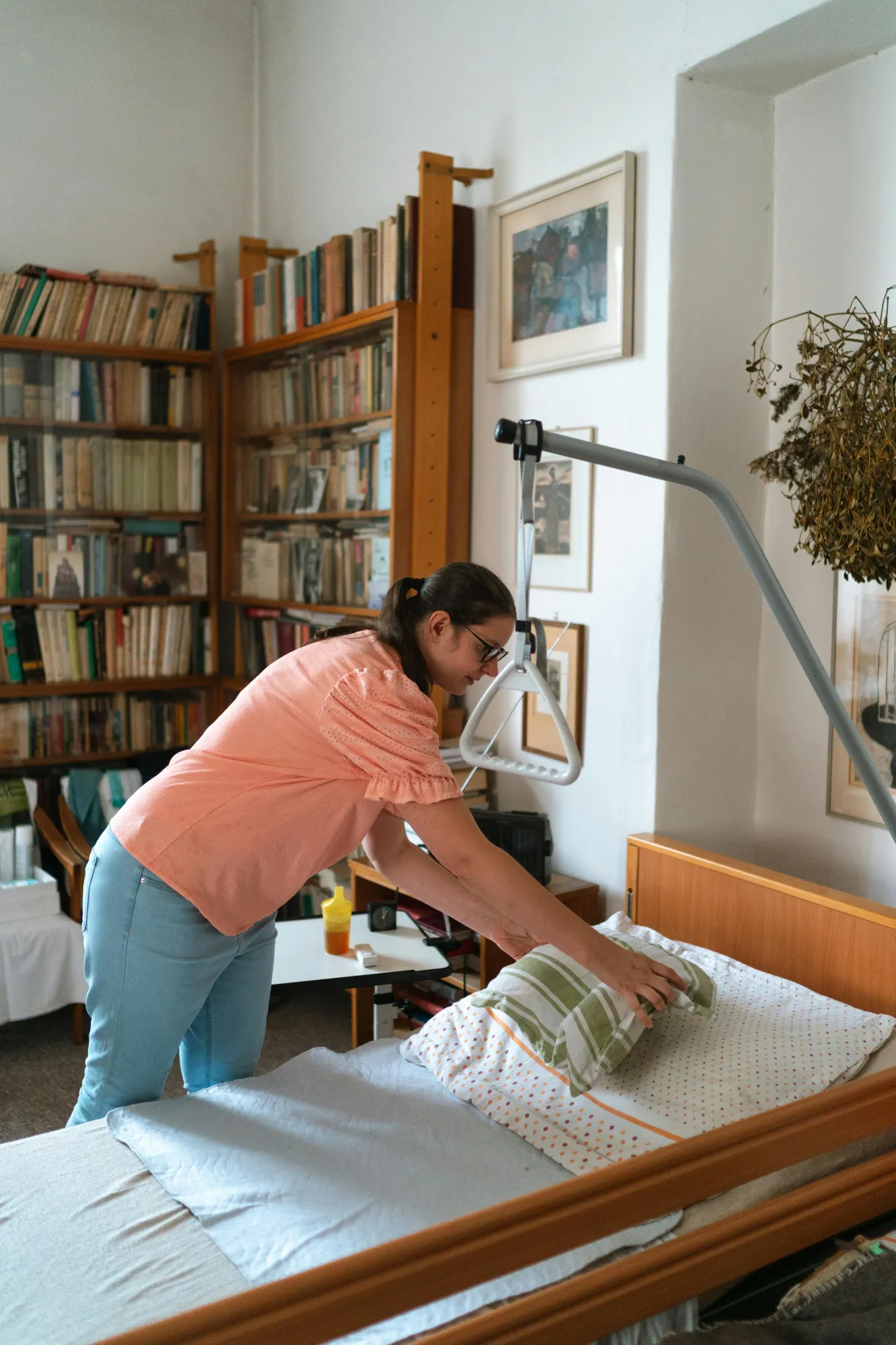
Professional caregivers make this possible by creating a safe environment tailored to your loved one’s abilities. They can help identify and minimize fall risks, assist with safe transfers, support mobility, and monitor subtle changes in health or behavior that may require attention.
Families find reassurance in knowing that someone trained is there to provide guidance and intervene when needed. This combination of safety and comfort empowers seniors to remain in the place where they feel most like themselves, without sacrificing their well-being.
Emotional support that enriches daily life
One of the most meaningful benefits of home-based care is the companionship that comes with it. Many older adults struggle with loneliness, especially if friends and family live far away or if mobility challenges limit social engagement. Regular visits from a caregiver create structure, connection and emotional support.
Caregivers often share conversations, enjoy meals together, help with hobbies or accompany seniors on short walks. They may assist with writing letters, connecting with loved ones by phone or video call, or simply spending time together. These interactions help seniors feel valued and heard, reducing feelings of isolation and strengthening their emotional health.
Strong relationships between caregivers and clients also make daily routines more enjoyable, turning ordinary tasks into warm, reassuring experiences.
Independence supported—not replaced
A core purpose of home care is to support, not take over. Seniors often want help without feeling like they are losing control of their lives. Caregivers are trained to empower older adults, encouraging participation in daily tasks to maintain confidence and independence.
Whether it’s assisting with grooming, cooking together or walking safely through the home, the focus is on enabling seniors to do as much as they can, safely. This helps maintain physical strength, cognitive engagement and emotional well-being. For many families, this approach offers the ideal balance: support is available, yet independence is respected.
Relief and reassurance for family caregivers
Balancing work, family responsibilities and caregiving can quickly become overwhelming. Home-based support gives families the chance to rest, recharge and maintain their own wellbeing, knowing their loved one is in capable hands.
This respite is not just practical; it is essential for long-term sustainability.
Caregivers can handle daily tasks, provide consistent supervision and offer insight into any changes in behavior or health. Families gain a partner—someone who understands the challenges of aging and is trained to address them compassionately.
Flexible options that adapt as needs change
One of the greatest advantages of home care services is their flexibility. Support can start with just a few hours per week and gradually increase to daily assistance, overnight care or more comprehensive arrangements as health needs evolve.
Flexible options may include:
- Part-time or full-time daily support
- Hourly visits for routine tasks or check-ins
- Overnight care for safety and comfort
- Live-in care in situations where continuous support is needed
This adaptability means families don’t have to guess what the future will require—they can make changes as life unfolds.
When home-based support becomes the best choice
Seniors often express a strong desire to remain at home as they age. Professional support allows them to do so with dignity. For families, it provides peace of mind, knowing that their loved one is receiving attentive, compassionate care.
Those exploring home-based options often find that the most rewarding choices are the ones that enhance quality of life—not just for the senior, but for the entire family. By choosing reputable home care services delivered by trained, empathetic professionals, families can create an environment where safety, comfort and connection flourish.
Care that protects dignity, independence and connection
Home care services offer far more than practical assistance.
With personalized care plans, safety-focused support and meaningful companionship, they help older adults stay in the place they love while living with greater comfort and confidence. For families, these services provide reassurance and relief, making caregiving more sustainable and strengthening relationships along the way.
Above all, choosing compassionate, in-home support honors your loved one’s dignity and reflects a commitment to helping them live well—right where they feel most at home.






















Sign in to leave a comment.