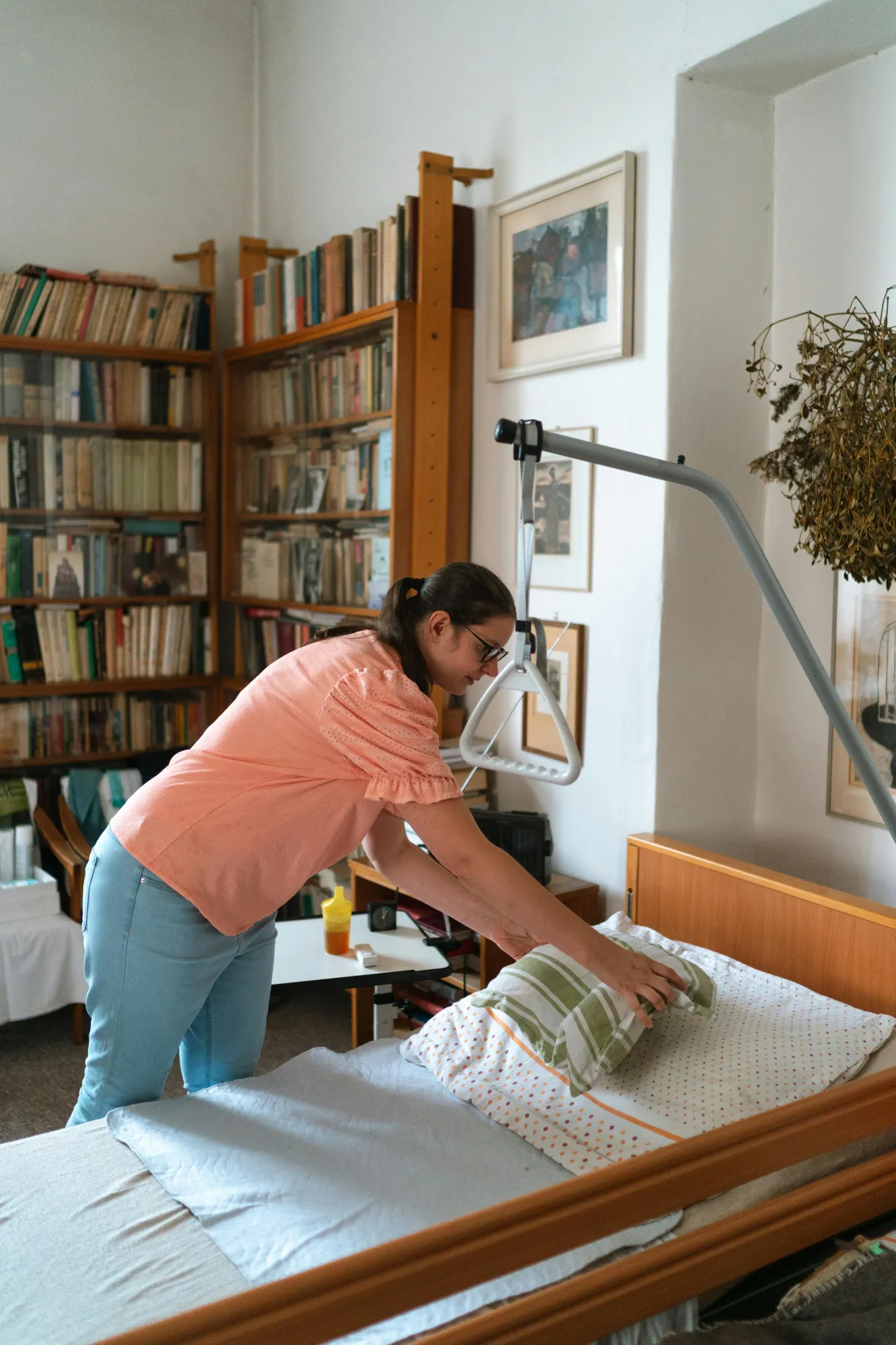

As life changes, so do daily routines. Whether it’s aging, recovering from an illness, or managing ongoing health needs, simple tasks can start to feel more challenging than they used to. For many people, the goal isn’t to leave home. It’s to find ways to stay comfortable, maintain independence, and continue living in a familiar environment.
That’s where home care solutions come in.
Instead of disrupting daily life, these services are designed to support it. They provide practical help where it’s needed while allowing individuals to remain in control of their routines.
Personalized Daily Support That Fits Real Life
One of the biggest advantages of home care is how flexible it can be. Care isn’t one-size-fits-all. It’s tailored to match the individual’s needs, preferences, and lifestyle. This means support can be as minimal or as involved as necessary. Common areas of assistance include:
- Bathing and personal hygiene
- Dressing and grooming
- Meal preparation and nutrition
- Mobility and movement around the home
The goal isn’t to take over these tasks completely.
It’s to provide the right level of help so that daily life feels manageable. If you’re exploring what this kind of support looks like, understanding how home care services are structured can help you see how flexible and adaptable these solutions can be.
The Comfort of Staying in Familiar Surroundings
Home is more than just a physical space. It’s where routines are established, memories are created, and a sense of comfort naturally exists. Receiving care at home allows individuals to stay connected to that environment. This can have a meaningful impact on:
- Emotional well-being
- Stress levels
- Overall comfort
Adjusting to care is often easier when it happens in a familiar setting. There’s no need to adapt to a completely new environment, which can make the experience feel less overwhelming. According to the National Institute on Aging, many individuals prefer aging in place because it allows them to remain in surroundings that support both emotional and physical well-being.
Encouraging Independence Through Support
There’s a common misconception that receiving care means losing independence.
In reality, the opposite is often true. Home care solutions are designed to support independence, not replace it. By helping with certain tasks, they make it easier for individuals to stay active and involved in their daily lives. This might mean:
- Assisting with mobility while encouraging movement
- Supporting daily routines without taking control away
- Helping with tasks that have become more difficult over time
The focus is on maintaining a sense of control and autonomy. For many people, this balance between support and independence is what makes home care such a practical option.
Adapting Care as Needs Change
One of the key benefits of home care is its flexibility over time. Care needs don’t stay the same. They may increase, decrease, or shift depending on health, recovery, or lifestyle changes. Home care services can adapt accordingly. This includes:
- Adjusting the level of support
- Changing schedules as needed
- Adding or removing specific services
This flexibility makes it easier to plan for the future without committing to a fixed level of care. It also ensures that individuals receive the right kind of support at every stage.
Supporting Families Along the Way
Home care doesn’t just benefit the person receiving support. It also helps family members who may be involved in caregiving. Balancing care responsibilities with work, family life, and other commitments can be challenging. Professional support can help reduce:
- Physical strain
- Emotional stress
- Time constraints
It allows families to focus more on spending time together rather than managing daily care tasks.
A Practical Approach to Everyday Living
Home care solutions are not about making drastic changes. They’re about making everyday life easier. By providing support where it’s needed, they help individuals maintain routines, stay comfortable, and continue living in a familiar environment. This approach is especially valuable for those who want to remain at home while still receiving reliable assistance.
Finding the Right Balance at Home
The goal of home care isn’t to replace independence. It’s to support it. With personalized assistance, flexible care plans, and the comfort of familiar surroundings, individuals can continue living in a way that feels natural and manageable.
At the same time, families gain peace of mind knowing that support is available when it’s needed. Home care solutions offer a balance that allows life to continue with greater ease, comfort, and confidence, all within the place that matters most: home.






























Sign in to leave a comment.