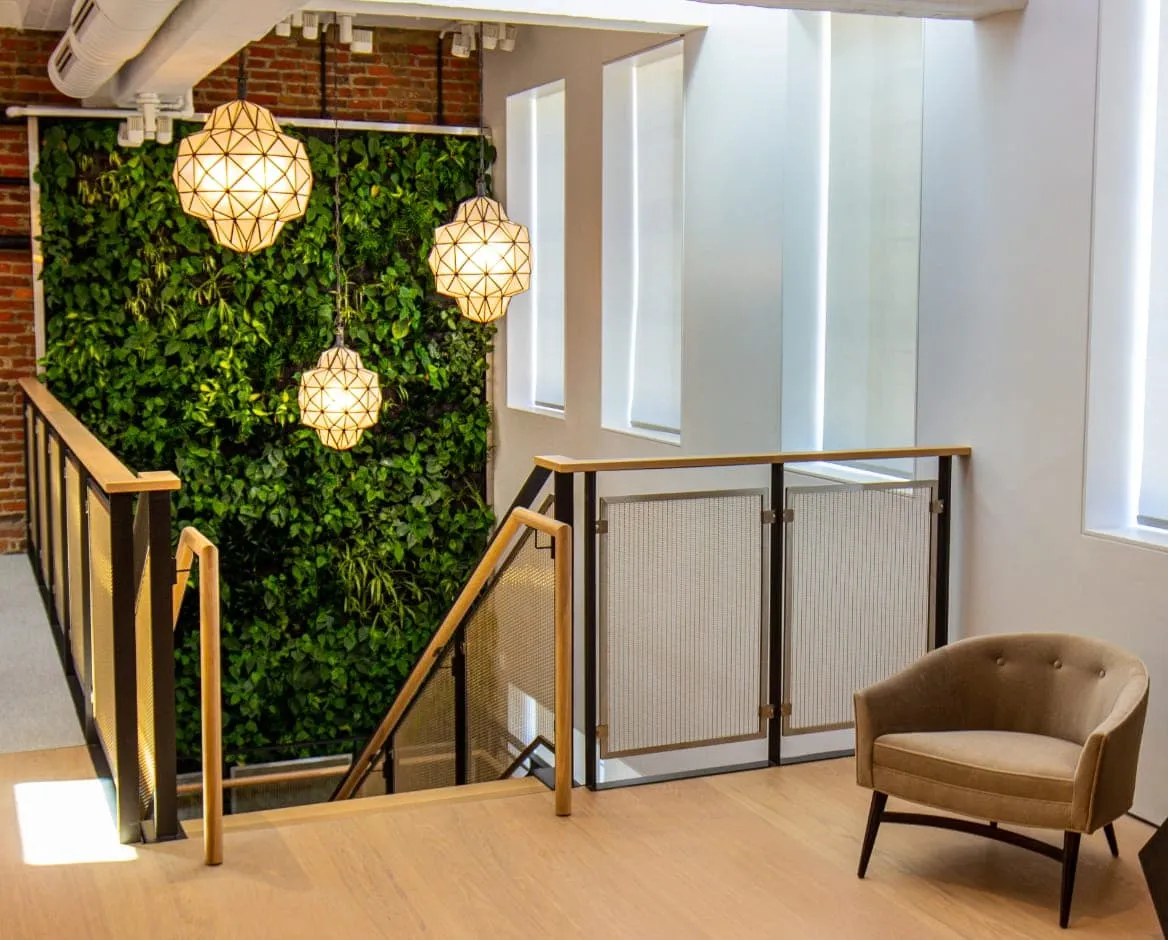

Indoor environments are evolving to become healthier, greener, and more visually appealing. Businesses, offices, hotels, healthcare facilities, and commercial spaces increasingly rely on nature inspired features to improve comfort and aesthetics. Around this growing trend, living wall indoor solutions have become one of the most effective ways to combine modern design with the natural beauty of plants. Choosing the right system requires careful planning, understanding of environmental conditions, and knowledge of long term maintenance needs.
Understanding What a Living Wall Indoor System Is
The Concept Behind Living Walls
A living wall is a vertically installed structure designed to support healthy plant growth on interior surfaces. Unlike traditional potted plants, these systems maximize vertical space while creating a striking natural display. They incorporate specially designed panels, irrigation methods, and growing media that allow a variety of plants to thrive indoors. The result is an attractive feature that enhances both visual appeal and environmental quality within commercial interiors.
Why Indoor Living Walls Continue to Grow in Popularity
Indoor living walls have become popular because they combine functionality with beauty. They transform plain walls into vibrant focal points while introducing greenery into spaces where floor area may be limited. Organizations appreciate how these installations create welcoming environments that leave positive impressions on visitors, employees, and clients. As interest in biophilic design increases, living walls continue to become valuable additions to contemporary interiors.
Identifying the Right Location
Evaluating Available Space
The first step in selecting a living wall system involves evaluating available wall space. Large walls create dramatic installations that become the centerpiece of a room, while smaller walls can add subtle natural accents. Ceiling height, room dimensions, and viewing angles all influence the final appearance. Careful planning ensures the installation complements existing architecture without overwhelming the surrounding environment.
Considering Indoor Lighting Conditions
Lighting plays a significant role in the health of indoor plants. Some locations receive abundant natural sunlight through windows, while others depend entirely on artificial lighting. Choosing plants that match available light levels helps maintain healthy growth. In areas with limited sunlight, supplemental grow lights often provide the necessary illumination for consistent plant development throughout the year.
Selecting the Appropriate Wall System
Modular Panel Systems
Modular systems are among the most common choices because they allow flexibility during installation and future expansion. Individual panels hold groups of plants that can easily be replaced or rearranged when needed. This design simplifies maintenance while allowing property owners to modify layouts over time. Modular systems also accommodate a wide variety of plant species, making them suitable for many commercial applications.
Pocket Based Systems
Pocket systems use specially designed fabric compartments that securely hold plants and growing media. These lightweight structures provide excellent flexibility and allow roots to establish naturally. Their simple appearance creates a lush, seamless display with dense plant coverage. Proper irrigation remains essential because fabric materials require balanced moisture to support healthy growth and prevent drying.
Panel With Integrated Irrigation
Some advanced systems include built in irrigation components that distribute water evenly across the wall. Automated watering reduces manual maintenance while promoting consistent plant health. These systems often include drainage features that protect surrounding surfaces from excess moisture. Automated irrigation is especially beneficial for larger commercial installations where efficiency and reliability are priorities.
Choosing Suitable Plants
Low Maintenance Plant Varieties
Selecting plants with similar care requirements helps maintain a healthy living wall. Species that tolerate indoor conditions, moderate humidity, and stable temperatures often perform well. Reliable foliage plants maintain their appearance throughout the year while requiring minimal intervention. Choosing durable varieties reduces replacement costs and supports long term success.
Mixing Colors and Textures
A successful living wall includes a thoughtful combination of leaf shapes, colors, and textures. Different shades of green create visual depth, while occasional colorful foliage adds contrast without overwhelming the design. Mixing upright, trailing, and compact plants creates a balanced composition that appears natural from every viewing angle. Careful plant selection transforms the wall into a dynamic design feature.
Understanding Irrigation and Drainage
Efficient Water Distribution
Healthy plants depend on reliable watering systems. Automatic irrigation delivers consistent moisture to every section of the wall while reducing maintenance demands. Properly designed irrigation minimizes dry spots and prevents excessive watering that could damage roots. Balanced water distribution promotes vigorous growth and maintains the overall appearance of the installation.
Proper Drainage Protection
Every indoor living wall should include effective drainage to manage excess water. Drainage systems collect surplus moisture before directing it away from interior finishes. Protecting nearby walls, flooring, and furniture from water exposure is essential for preserving the surrounding environment. Quality drainage contributes significantly to the long term performance of the installation.
Considering Maintenance Requirements
Routine Plant Care
Living walls require regular attention to remain healthy and attractive. Maintenance includes watering inspections, pruning, fertilizing, replacing unhealthy plants, and monitoring overall growth. Routine care prevents minor issues from developing into larger problems that affect the appearance of the wall. Consistent maintenance ensures plants remain vibrant throughout every season.
Monitoring Plant Health
Regular inspections help identify signs of stress before serious damage occurs. Yellow leaves, slow growth, or unusual discoloration may indicate lighting, watering, or nutrient concerns. Early intervention allows adjustments that restore healthy growing conditions. Continuous observation helps maintain a thriving display while extending the lifespan of the entire installation.
Matching the Design With Interior Style
Modern Commercial Interiors
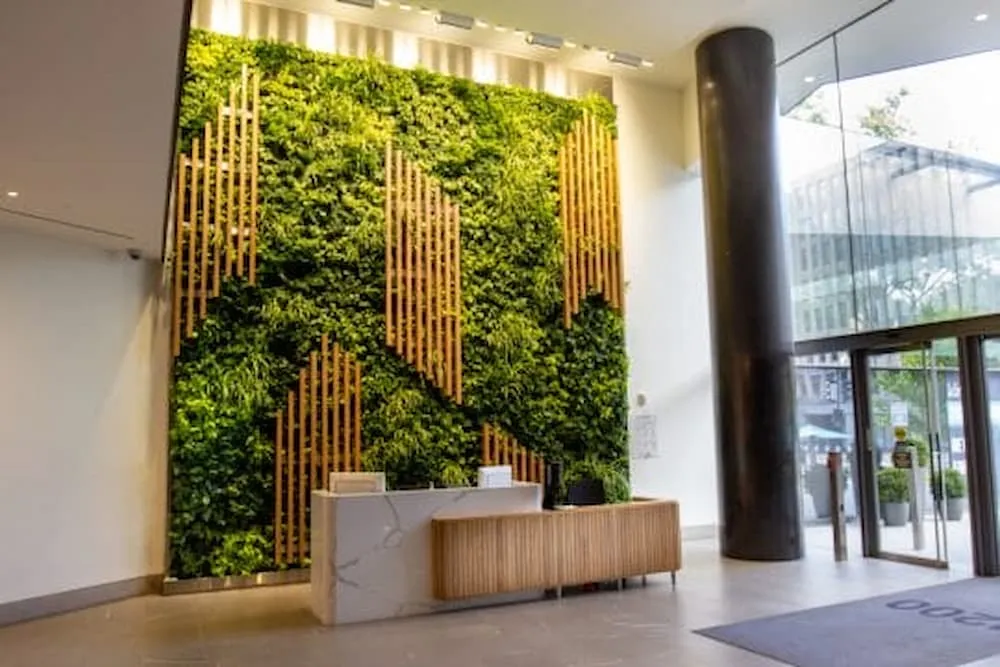
Contemporary offices often favor clean lines, minimal furnishings, and natural accents. A living wall complements these environments by adding texture and organic beauty without creating visual clutter. Green walls soften modern architecture while introducing warmth and freshness. They become natural gathering points that improve the overall atmosphere within professional settings.
Hospitality and Public Spaces
Hotels, restaurants, reception areas, and public buildings frequently use living walls to create memorable first impressions. Guests often appreciate the calming influence of natural greenery upon entering a space. Carefully designed installations enhance branding, improve ambiance, and encourage longer visitor engagement. Living walls also provide attractive backgrounds for photographs and social interactions.
Evaluating Long Term Value
Environmental Benefits
Living walls contribute to healthier indoor environments by introducing additional vegetation into enclosed spaces. Plants help create more pleasant surroundings while supporting comfortable working and visiting experiences. Although every installation differs, indoor greenery generally contributes to improved visual comfort and reinforces sustainability focused design strategies adopted by many organizations today.
Financial Considerations
Choosing a quality living wall system represents a long term investment rather than a temporary decorative feature. Durable construction, reliable irrigation, and appropriate plant selection reduce maintenance costs over time. Careful planning minimizes future replacements while maximizing performance. Investing in professional design and installation often results in greater longevity and improved overall value.
Common Mistakes to Avoid
Ignoring Environmental Conditions
Selecting a system without evaluating temperature, humidity, and lighting often leads to disappointing results. Plants may struggle when environmental conditions fail to meet their growing requirements. Careful assessment before installation allows appropriate plant selection and system customization. Matching the living wall to its environment significantly improves long term success.
Choosing Appearance Over Functionality
An attractive design should always balance aesthetics with practical performance. Selecting plants solely for appearance may increase maintenance requirements if those species are unsuitable for indoor conditions. Likewise, choosing an irrigation system based only on cost may create future maintenance challenges. Prioritizing functionality alongside visual appeal ensures lasting satisfaction.
Tips for Making the Best Decision
Work With Clear Objectives
Every living wall project should begin with clearly defined goals. Some organizations prioritize visual impact, while others emphasize employee wellbeing, sustainability, or branding. Understanding these objectives guides decisions regarding size, plant selection, placement, and maintenance planning. A focused approach produces results that align with the intended purpose of the installation.
Plan for Future Growth
Plants naturally grow and change over time. Selecting a system that accommodates ongoing development helps preserve the intended appearance. Regular pruning, periodic plant replacement, and flexible panel designs allow the installation to evolve without requiring complete reconstruction. Planning ahead ensures the living wall remains attractive and functional for many years.
Conclusion
Selecting the ideal indoor green wall involves thoughtful planning, careful plant selection, reliable irrigation, proper maintenance, and a design that complements the surrounding environment. Every decision influences the long term beauty, health, and functionality of the installation. By understanding these essential factors, organizations can confidently invest in a system that delivers lasting visual and environmental benefits. For professionally designed and maintained indoor plant solutions, Interior Plantscapes provides expertise that helps create beautiful, sustainable, and welcoming commercial interiors.























Sign in to leave a comment.