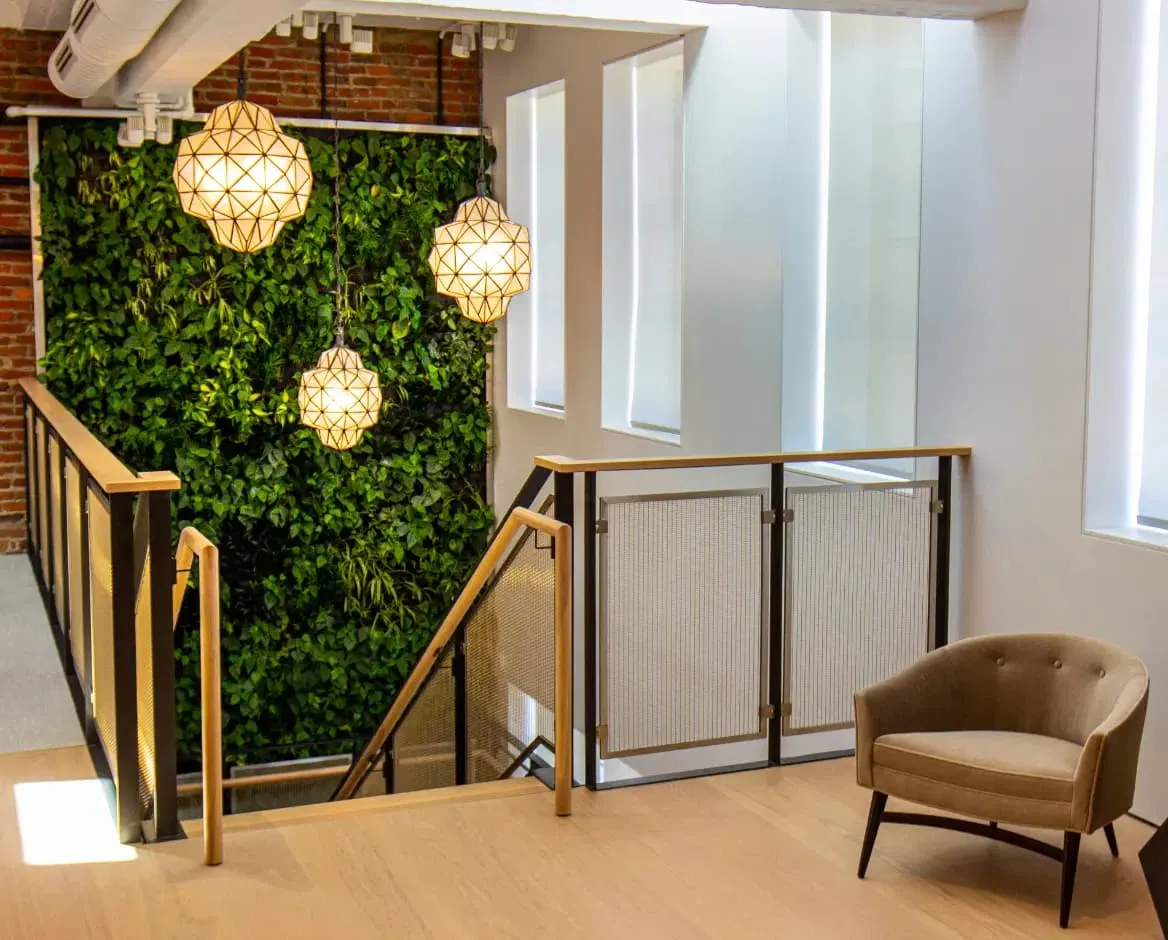

Modern interiors increasingly incorporate natural elements to create spaces that feel welcoming, balanced, and visually appealing. Among these features, the living green wall has become an effective way to introduce greenery without occupying valuable floor space. Such installations combine carefully selected plants with structural systems that support healthy growth in vertical environments. Beyond decoration, they can influence atmosphere, visual comfort, and the overall character of an interior. Proper planning allows designers and property owners to create attractive installations that complement architectural features while remaining practical for long term care and maintenance.
Defining a Living Green Wall
A living green wall is a vertical planting system designed to support growing plants across an indoor or outdoor surface. Unlike ordinary potted plants, it uses a planned framework that can include planting modules, growing media, irrigation components, drainage arrangements, and support structures. Plants are positioned throughout the system to create a continuous visual composition. The design can range from compact installations covering a small reception area to expansive features extending across several floors. Its success depends on selecting suitable plants and establishing conditions that encourage consistent growth throughout the installation.
Planning the Right Location
Choosing an appropriate location is one of the most important stages of designing a vertical plant installation. Light availability, temperature, humidity, accessibility, wall strength, and surrounding furniture should all be evaluated before installation begins. Areas exposed to excessive heat or direct sunlight may require additional planning to prevent plant stress. Similarly, spaces with insufficient natural light may need supplemental lighting. The wall should also remain accessible enough for regular inspection and maintenance. Careful site assessment helps create a healthier planting environment while reducing potential complications after installation.
Evaluating Light Conditions
Lighting directly influences plant health and determines which species can thrive successfully. Designers generally assess both natural and artificial light throughout the day before choosing plants. Low light areas may support shade tolerant foliage, while brighter spaces can accommodate species requiring stronger illumination. Artificial grow lighting can provide additional support where natural sunlight is limited. Light should also be distributed evenly because inconsistent exposure can cause uneven growth and discoloration. A thoughtful lighting plan improves plant performance while helping the entire installation maintain a consistent and attractive appearance over time.
Selecting Suitable Plants
Plant selection should consider the environmental conditions, visual goals, and maintenance requirements of the proposed installation. Species with similar light, moisture, and temperature preferences are generally easier to manage together. Designers may combine plants with different leaf shapes, textures, and shades to create depth without producing a chaotic appearance. Hardy varieties are often preferred for commercial interiors because they can tolerate changing conditions more effectively. The mature size of each plant should also be considered. Selecting suitable species from the beginning helps reduce replacement needs and supports a healthier, more cohesive wall.
Creating Visual Variety
An attractive vertical garden usually combines several complementary plant characteristics rather than relying on a single variety. Foliage with contrasting shapes can create visual rhythm, while different shades of green provide subtle depth. Plants with trailing, upright, or spreading growth habits can also establish layers across the surface. Designers may organize species according to patterns, clusters, or natural looking arrangements depending on the desired atmosphere. The composition should remain balanced from both close and distant viewpoints. Thoughtful plant placement transforms a functional planting system into an intentional interior design feature.
Choosing the Structural System
The structural framework provides essential support for plants, growing media, irrigation equipment, and associated components. Depending on the project, a system may use modular containers, panel based structures, or specialized planting pockets. The selected framework should be compatible with the wall surface and capable of supporting the installation safely. Drainage must also be carefully considered because excess water can damage surrounding materials. Designers should account for access to irrigation lines and individual planting sections during maintenance. A reliable structure provides stability while allowing the plants to remain healthy and visually organized.
Considering Irrigation and Drainage
Water management is essential because vertical installations can dry unevenly or receive excessive moisture when irrigation is poorly designed. An efficient system distributes water consistently across different planting areas while minimizing unnecessary waste. Drainage channels should direct excess water away from sensitive building materials and electrical components. Automated irrigation can simplify routine care by delivering measured quantities according to plant requirements. Sensors may also help monitor moisture conditions in larger installations. Proper water management protects the plants and surrounding property while creating a more dependable maintenance routine.
Designing for Interior Architecture
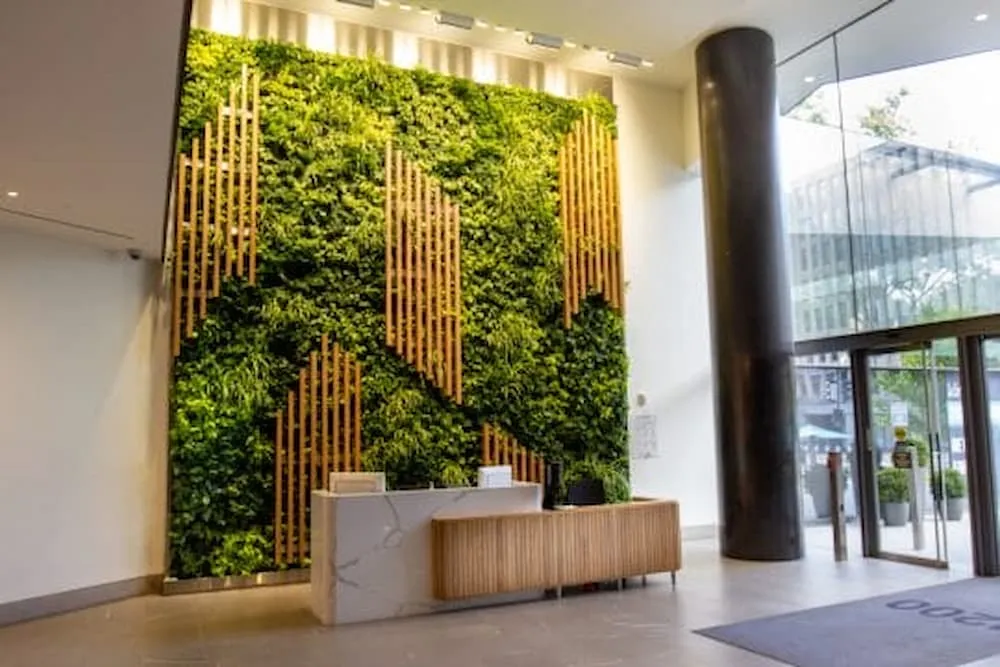
A living green wall should complement the architecture rather than appear disconnected from the surrounding environment. Its size, shape, plant arrangement, frame, and placement can be coordinated with furniture, lighting, flooring, and wall finishes. In reception areas, a vertical garden can establish a welcoming focal point. In offices, it may visually soften large surfaces or separate functional zones. Hospitality and retail environments can use greenery to strengthen a particular design theme. When planting and architecture are considered together, the installation becomes an integrated part of the interior rather than an isolated decorative addition.
Improving Workplace Atmosphere
Greenery can contribute to a more pleasant workplace atmosphere by introducing natural textures and organic visual elements into environments dominated by hard surfaces. Employees and visitors may perceive spaces with thoughtfully arranged plants as more inviting and comfortable. A well maintained vertical installation can also become a recognizable visual feature that supports a positive impression of the surrounding environment. Its value extends beyond appearance because natural elements can help create a stronger connection between occupants and their surroundings. Thoughtful placement ensures the feature enhances the space without interfering with movement or daily activities.
Establishing a Maintenance Strategy
Regular maintenance is necessary to preserve the appearance and health of a vertical planting system. A maintenance schedule may include watering checks, pruning, fertilization, pest inspection, leaf cleaning, plant replacement, and equipment assessment. Different plant species may require different care frequencies, so the maintenance program should reflect the actual planting composition. Technicians should also inspect irrigation components and drainage pathways to identify developing problems early. Consistent attention prevents small issues from becoming larger concerns. A structured maintenance approach ultimately helps preserve the investment and keeps the installation attractive throughout its lifespan.
Monitoring Plant Health
Routine monitoring allows maintenance teams to identify early signs of stress before they become widespread. Yellowing leaves, wilting, slow growth, discoloration, pest activity, and unusual moisture levels can indicate environmental or irrigation problems. Plants should be examined individually as well as evaluated as part of the overall installation. Replacement plants should match existing environmental requirements to maintain consistency. Regular observation also provides useful information about seasonal changes and changing interior conditions. By responding promptly to visible problems, maintenance teams can protect plant health and maintain the intended appearance of the vertical garden.
Managing Costs and Long Term Value
The cost of a living green wall depends on factors such as installation size, plant selection, structural requirements, irrigation equipment, lighting, access conditions, and ongoing maintenance. Initial planning should therefore consider both installation expenses and recurring care requirements. Choosing inexpensive components without considering durability may create higher costs later through repairs or replacements. A well designed installation can provide lasting visual value when supported by appropriate maintenance. Property owners should evaluate the complete lifecycle of the feature rather than focusing only on the initial installation price when determining its overall value.
Preparing for Future Changes
Interior environments can change as furniture layouts, lighting systems, occupancy patterns, and business needs evolve. A vertical planting system should therefore be designed with reasonable flexibility wherever possible. Accessible planting modules and service areas can make future adjustments easier. Designers may also select plants that can tolerate moderate environmental changes without significant decline. Planning for future requirements reduces disruption when the surrounding space is renovated or reorganized. This forward looking approach helps ensure that the installation remains practical and visually relevant instead of becoming difficult to maintain after interior conditions change.
Final Considerations for Successful Design
A successful vertical garden requires more than attractive plants arranged on a wall. It depends on coordinated decisions involving location, lighting, plant selection, structural support, irrigation, drainage, architecture, maintenance, and future requirements. Each element influences the performance of the others, making detailed planning particularly important. When these factors are evaluated together, the resulting installation can remain healthy, attractive, and functional for an extended period. Proper design also reduces avoidable maintenance challenges and helps ensure that greenery contributes positively to the character of the surrounding interior environment.
Conclusion
A carefully planned living green wall can transform an ordinary interior into a more engaging and naturally inspired environment while making efficient use of vertical space. From selecting suitable plants to establishing reliable irrigation and maintenance practices, every design decision contributes to long term performance. The installation should reflect the architecture, environmental conditions, and practical requirements of the space. With thoughtful planning and professional care, Interior Plantscapes can help create vertical greenery that combines visual appeal, functionality, and lasting value while supporting a stronger connection between interior spaces and the natural world.























Sign in to leave a comment.