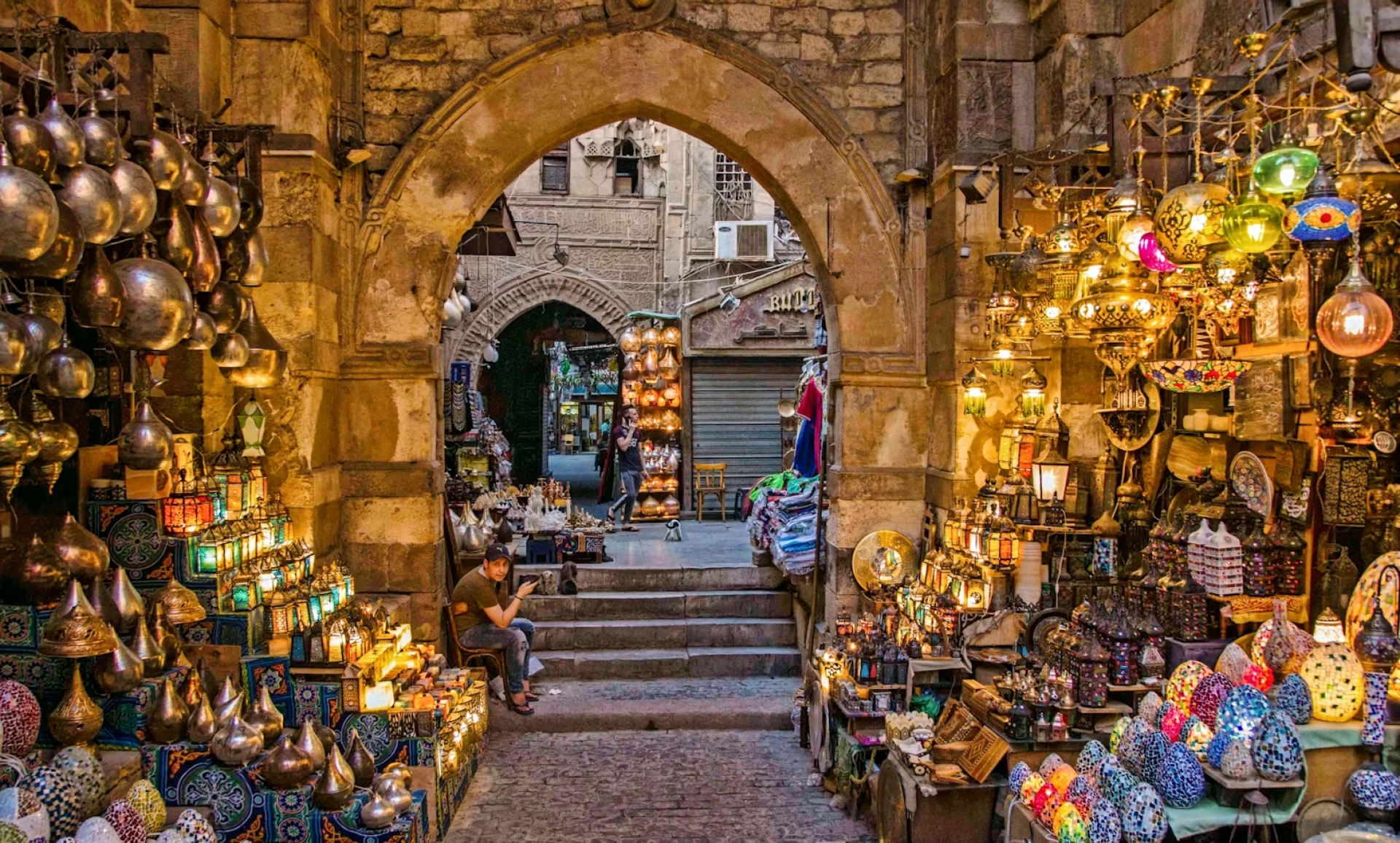

Cairo, the sprawling metropolis that serves as Egypt's vibrant capital, stands as one of the world's most captivating destinations for travelers seeking to immerse themselves in millennia of history, culture, and adventure. This ancient city, where pharaonic monuments coexist with Islamic architecture and modern urban life, offers visitors an unparalleled journey through time that spans over 5,000 years of human civilization.
When planning your Egyptian adventure, partnering with an experienced travel agency in Cairo Egypt can transform your visit from a simple tourist experience into a deeply enriching cultural expedition. These local experts possess intimate knowledge of hidden gems, optimal visiting times, and cultural nuances that can significantly enhance your exploration of this magnificent city.
The complexity of navigating Cairo's rich tapestry of attractions, from the world-famous Giza Pyramid Complex to the lesser-known treasures of Coptic Cairo, makes the expertise of a reputable travel agency in Cairo Egypt invaluable. Professional guides can help you decode the intricate hieroglyphics at ancient temples, understand the architectural evolution of Islamic Cairo, and navigate the bustling Khan el-Khalili bazaar with confidence and cultural sensitivity.
The Timeless Pyramids of Giza
No visit to Cairo is complete without experiencing the awe-inspiring Pyramids of Giza, the last remaining Wonder of the Ancient World. The Great Pyramid of Khufu, standing at 146 meters tall, represents the pinnacle of ancient Egyptian architectural achievement. Built over 4,500 years ago, this monumental structure required approximately 2.3 million stone blocks, each weighing between 2.5 and 15 tons.
Best visiting times: Early morning (8:00-10:00 AM) or late afternoon (3:00-5:00 PM) to avoid crowds and harsh midday sun. The site opens daily at 8:00 AM, with the last entry at 4:00 PM during winter months.
Essential attractions within the complex:
- The Great Pyramid's interior chambers (limited daily entries)
- The enigmatic Sphinx with its weathered limestone face
- The Solar Boat Museum housing Khufu's reconstructed funerary vessel
- The smaller pyramids of Khafre and Menkaure
Islamic Cairo: A Living Museum
Islamic Cairo, designated as a UNESCO World Heritage Site, contains one of the world's largest collections of historic Islamic architecture. This medieval district houses over 600 mosques, madrasas, hammams, and fountains dating from the Islamic era.
Must-visit landmarks:
- The Citadel of Saladin: This 12th-century fortress offers panoramic views of the city and houses the stunning Mosque of Muhammad Ali
- Al-Azhar Mosque: One of the oldest universities in the world, serving as a center of Islamic learning for over 1,000 years
- The Hanging Church: A remarkable example of Coptic Christian architecture suspended above ancient Roman fortifications
- Khan el-Khalili Bazaar: A 14th-century market where artisans still practice traditional crafts
Coptic Cairo: Christian Heritage
Coptic Cairo preserves Egypt's Christian heritage through its collection of ancient churches, monasteries, and religious artifacts. This historic district, also known as Old Cairo, contains some of the world's oldest Christian structures.
Significant sites include:
- The Coptic Museum: Housing the world's largest collection of Coptic Christian artifacts
- Ben Ezra Synagogue: A historic Jewish synagogue with connections to biblical history
- Church of St. Sergius and Bacchus: Built over the cave where the Holy Family allegedly took refuge
The Egyptian Museum: Treasures of the Pharaohs
The Egyptian Museum in Tahrir Square houses the world's most extensive collection of ancient Egyptian artifacts. With over 120,000 items spanning 5,000 years of history, the museum offers visitors an comprehensive journey through Egypt's pharaonic past.
Highlights include:
- Tutankhamun's golden treasures: Including his famous burial mask and golden throne
- Royal mummy collection: Preserved remains of Egypt's most famous pharaohs
- Prehistoric artifacts: Items dating back to Egypt's earliest civilizations
- Papyrus scrolls: Ancient texts revealing insights into daily life and religious beliefs
Navigating Cairo's Cultural Landscape
Understanding local customs and etiquette enhances your Cairo experience significantly. During the holy month of Ramadan, many restaurants close during daylight hours, while Friday prayers may affect visiting schedules for religious sites.
Essential cultural considerations:
- Dress modestly when visiting religious sites, covering shoulders and knees
- Remove shoes before entering mosques
- Photography restrictions apply in many locations
- Haggling is expected in traditional markets but not in fixed-price shops
Transportation and Logistics
Cairo's transportation network includes various options suited to different comfort levels and budgets. The recently expanded metro system provides efficient access to major attractions, while traditional taxis and ride-sharing services offer flexible travel options.
Transportation tips:
- The Cairo Metro connects major districts efficiently and affordably
- Uber and Careem provide reliable ride-sharing services
- Traditional taxis require negotiation of fares before departure
- Walking tours offer immersive experiences in historic districts
Seasonal Considerations
Cairo's climate varies significantly throughout the year, affecting both comfort levels and attraction accessibility. Winter months (December through February) offer the most pleasant weather conditions, with daytime temperatures ranging from 15-20°C (59-68°F).
Optimal visiting periods:
- Winter (December-February): Mild temperatures, clear skies, perfect for outdoor exploration
- Spring (March-May): Warm but comfortable, occasional sandstorms possible
- Summer (June-August): Hot and humid, early morning and evening activities recommended
- Autumn (September-November): Gradually cooling temperatures, excellent for sightseeing
Culinary Adventures
Cairo's culinary scene reflects its position as a cultural crossroads, blending traditional Egyptian flavors with Middle Eastern, Mediterranean, and African influences. Street food culture thrives throughout the city, offering authentic local experiences.
Must-try dishes:
- Koshari: Egypt's national dish combining rice, lentils, pasta, and spiced tomato sauce
- Ful medames: Traditional fava bean breakfast served with flatbread
- Mahshi: Vegetables stuffed with rice, herbs, and spices
- Baklava and konafa: Traditional desserts perfect with Egyptian tea
Planning Your Cairo Adventure
Successful Cairo exploration requires careful planning to maximize your time while respecting local customs and traditions. Consider seasonal variations, religious observances, and personal interests when structuring your itinerary.
A well-planned Cairo visit typically requires 3-5 days to cover major attractions comfortably, allowing time for both scheduled sightseeing and spontaneous discoveries. The city's layered history rewards travelers who approach their exploration with curiosity, respect, and appreciation for its complex cultural heritage.
Cairo remains one of the world's most rewarding travel destinations, offering visitors the opportunity to walk in the footsteps of pharaohs, explore medieval Islamic architecture, and experience the vibrant energy of contemporary Egyptian life. Whether you're drawn by ancient mysteries, architectural marvels, or cultural immersion, Cairo provides an unforgettable gateway to understanding Egypt's enduring legacy.




























Sign in to leave a comment.