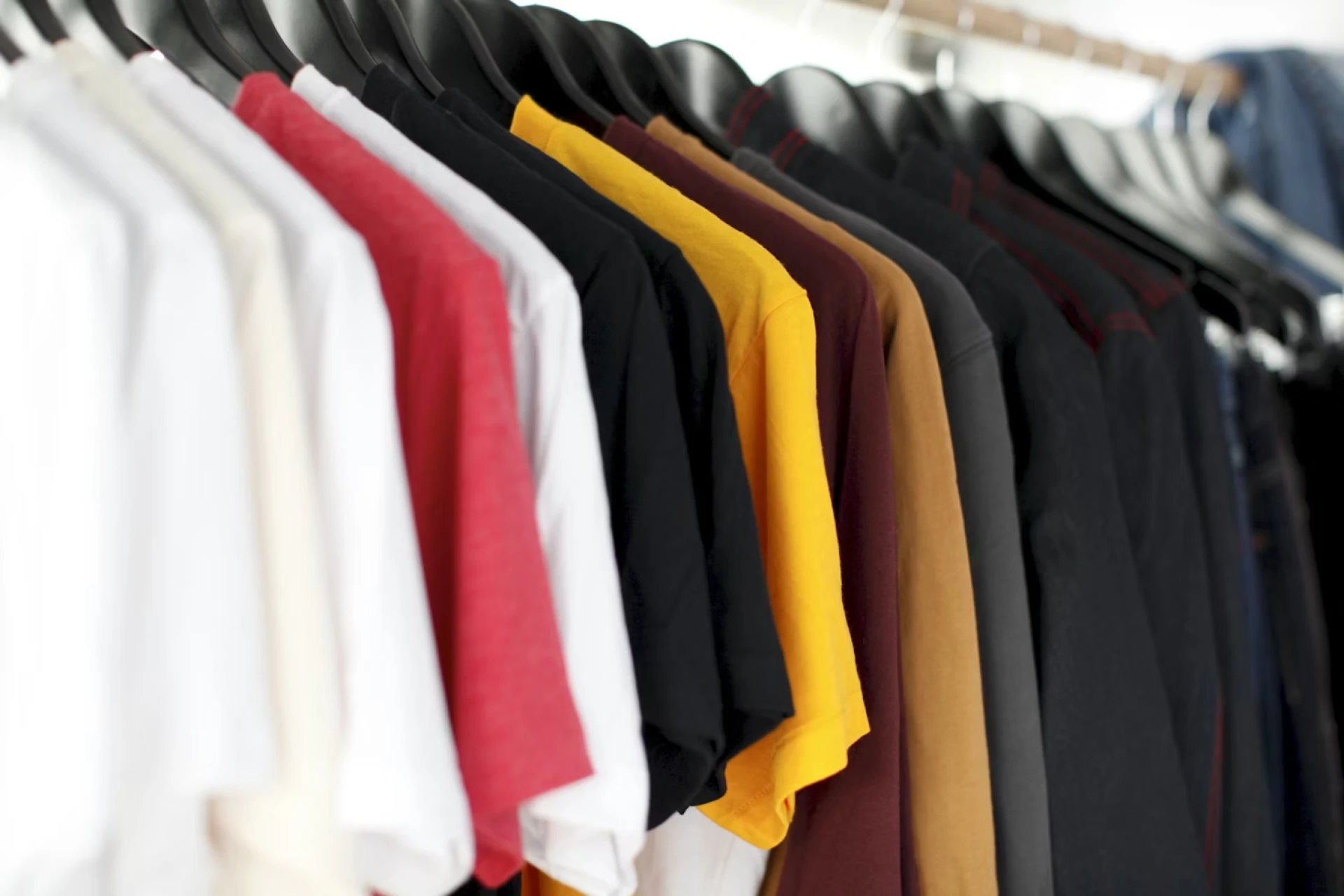

You've probably seen those crisp, professional t-shirts that make you stop and think "I wish my business had shirts that looked that good." The difference between amateur-looking shirts and ones that actually represent your brand well? It all comes down to understanding custom design t-shirt printing.
Here's the thing most people don't realize: not all printing methods are created equal. And choosing the wrong one could leave you with faded, cracked designs that embarrass your brand rather than promote it.
What Exactly Is Custom Design T-Shirt Printing?
Custom design t-shirt printing is the process of applying your unique artwork, logo, or text onto blank t-shirts using various printing techniques. Think of it as taking your digital design and making it permanent on fabric.
The catch? There are multiple ways to do this, and each method works better for different situations. Pick the wrong method for your project, and you might end up wasting money on shirts that look cheap or fall apart after a few washes.
The Materials That Make or Break Your Shirts
Let's start with something that trips up almost everyone: fabric choice. You might think all t-shirts are basically the same, but the material you choose affects everything from how your design looks to how long it lasts.
Cotton: The Classic Choice
100% cotton shirts feel soft and breathe well. They work great for custom design t-shirt printing because the fibers absorb ink naturally. The downside? They shrink more than blends and can fade faster if you don't take care of them properly.
Perhaps the biggest advantage of cotton is how it handles screen printing. The ink bonds well with cotton fibers, creating designs that last through countless washes.
Polyester: The Durability Champion
Polyester shirts resist shrinking and fading. They're also moisture-wicking, which makes them perfect for sports teams or outdoor events. But here's where it gets tricky: some printing methods don't work as well on polyester.
Heat transfer vinyl and sublimation printing work beautifully on polyester. Screen printing can be done, but the results aren't always as vibrant as they are on cotton.
Cotton-Polyester Blends: The Middle Ground
50/50 or 60/40 blends try to give you the best of both worlds. You get cotton's comfort with polyester's durability. Most custom design t-shirt printing methods work reasonably well on blends, making them a safe choice for most projects.
The reality is that blends aren't perfect at anything, but they're good enough for most situations. Sometimes "good enough" is exactly what you need.
The Printing Methods That Actually Matter
This is where things get interesting. Each printing method has its own personality, and understanding them can save you from costly mistakes.
Screen Printing: The Workhorse
Screen printing uses stencils and squeegees to push ink through mesh screens onto your shirts. It's been around forever because it works.
The best part about screen printing for custom design t-shirt printing? The ink sits on top of the fabric, creating bold, opaque colors that really pop. Your design won't crack or peel like some other methods.
But screen printing has rules. You need at least 12-24 pieces to make it cost-effective. Each color in your design requires a separate screen, which adds to the setup cost. Simple designs work best.
Heat Transfer Vinyl: The Flexible Option
HTV involves cutting your design from colored vinyl and heat-pressing it onto the shirt. It's perfect for small quantities or designs with lots of colors.
The vinyl sits on top of the fabric, which gives you incredibly crisp lines and solid colors. You can even get specialty vinyls that glow in the dark or have metallic finishes.
The catch? HTV can feel thick on the shirt, and it might start peeling after many washes if it's not applied correctly. Quality matters here more than anywhere else.
Direct-to-Garment (DTG): The Detail King
DTG printing is like having a giant inkjet printer for t-shirts. It sprays water-based ink directly into the fabric fibers.
This method excels at detailed designs with lots of colors or photographic images. Since the ink soaks into the fabric, the design feels soft and natural.
But DTG works best on light-colored shirts, and the colors might not be as vibrant as screen printing. It's also slower, making it better for smaller batches.
Sublimation: The Permanent Solution
Sublimation uses heat to turn special inks into gas, which then bonds with polyester fibers at a molecular level. The result is incredibly durable prints that won't crack, peel, or fade.
The limitation? Sublimation only works on polyester or polyester-coated items. And it only shows up well on white or very light-colored shirts.
Making Your Decision
Custom design t-shirt printing doesn't have to be complicated, but it does require making informed choices.
Start by defining your priorities. Do you need the lowest possible cost per shirt? The highest quality designs? The fastest turnaround time? You probably can't have all three.
Ask potential printers about their process. A good printer will explain why they recommend certain methods for your project and show you samples of their work.
Don't be afraid to ask for references or reviews from previous customers. The best printing companies are proud of their work and happy to share examples.
Get samples if possible. Seeing and feeling the actual print quality helps you make better decisions than looking at photos online.
The right custom design t-shirt printing approach depends on your specific needs, but understanding your options puts you in control of the outcome. Take time to consider all the factors, and you'll end up with shirts that actually represent your brand the way you intended.




























Sign in to leave a comment.