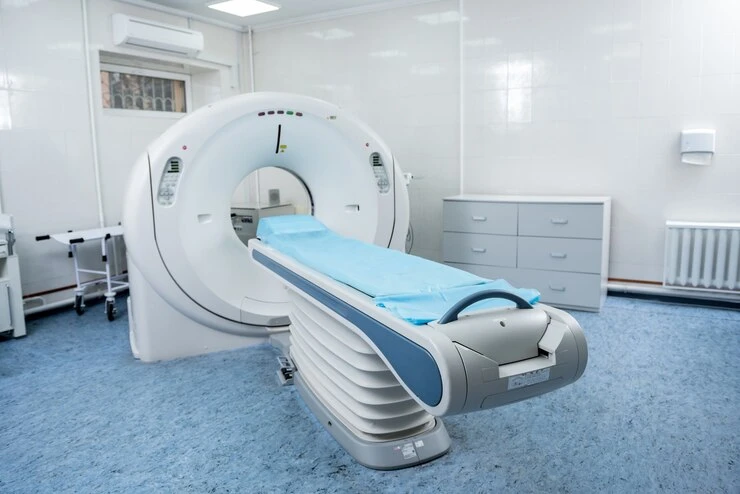

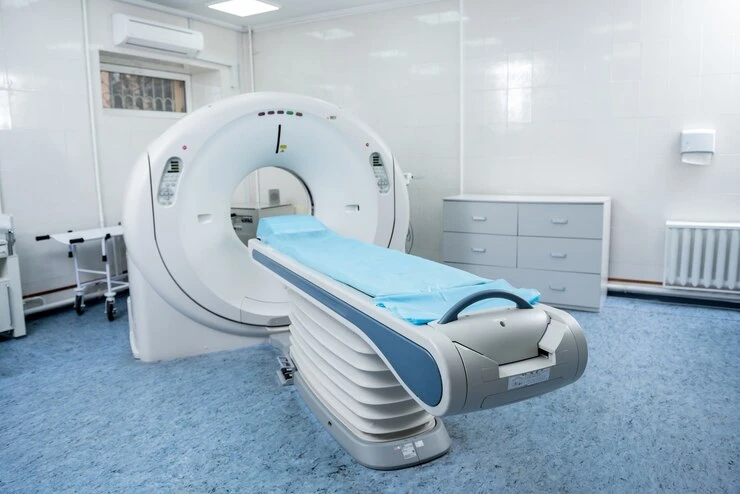
A full body MRI scan is a comprehensive diagnostic tool that provides detailed images of your body’s internal structures, allowing healthcare providers to detect potential health problems early. Not all MRI machines are the same, and selecting the right one can make a significant difference in both comfort and accuracy. Key factors such as machine strength, comfort features, and scan duration influence both your experience and the quality of the results. Whether you’re undergoing a routine check-up or addressing specific health concerns, understanding the options available ensures you get the best possible care.
What Is an MRI Scan?
MRI, or Magnetic Resonance Imaging, uses powerful magnets and radio waves to generate detailed images of the body’s internal structures. Unlike X-rays or CT scans, MRI does not use harmful radiation, making it a safer imaging option for many patients. The MRI machine operates by utilizing a magnetic field to align hydrogen atoms in the body, and when radio waves are applied, these atoms emit signals that the machine converts into images.
The strength of the MRI scanner’s magnet is measured in Tesla (T), and most clinical MRI scanners are either 1.5T or 3T. A 3T MRI scanner has a stronger magnetic field, which can produce more detailed images, but it’s not always the ideal choice for every scenario.
How Does an MRI Work?
The MRI process works by using a strong magnetic field to align hydrogen atoms in the body. Once aligned, radio waves are sent into the body, causing these atoms to emit signals. The MRI scanner then converts these signals into high-resolution images. The stronger the magnetic field, the clearer and more detailed the images produced.
However, stronger magnetic fields (such as those in 3T machines) can lead to challenges, such as image artifacts or safety concerns with certain medical implants.
Benefits of Full Body MRI Scans
Improved Imaging Quality
A full body MRI scan provides a thorough look at the body’s internal structures, offering early detection and more accurate diagnoses. The advanced technology of MRI machines ensures that even small structures, such as the brain, spine, and joints, are clearly visible. It is particularly beneficial for the evaluation of soft tissues, which helps in diagnosing conditions like tumors, nerve damage, and organ issues.
Faster Scans with 3T MRI
3T MRI machines can perform whole-body scans faster compared to 1.5T machines. This is particularly helpful for patients who may struggle with staying still for long periods, such as children or those with anxiety. The faster scanning process reduces the time spent inside the MRI machine, enhancing patient comfort.
Pediatric Imaging
MRI is also a safe and effective imaging technique for children, especially in cases where high resolution is necessary. 3T MRI scanners are particularly beneficial for imaging small structures, such as the inner ear or vascular system, offering clearer results for pediatric imaging.
1.5T vs. 3T MRI: Understanding the Differences
MRI scanners come in different strengths, with the most common being 1.5T and 3T. Each has its advantages and potential limitations:
- 1.5T MRI: This is a versatile scanner that works well for general imaging needs. It’s safer for patients with implants such as pacemakers, as it generates less heat and minimizes safety risks. It’s also better at managing body temperature during the scan, offering a more comfortable experience, particularly for longer scans.
- 3T MRI: With a stronger magnetic field, the 3T MRI provides higher resolution and clearer images, making it ideal for capturing fine details in small structures. However, it’s more prone to artifacts (such as interference from bodily fluids), and it requires more careful monitoring of body heat, as it can raise temperatures significantly.
Conditions Detected by Full Body MRI
A full body MRI scan offers a comprehensive diagnostic tool that helps detect health issues across different parts of the body. Some of the key conditions it can evaluate include:
Head and Brain
- Detection of brain tumors, aneurysms, and blocked arteries.
- Identification of strokes, including old or shrinking strokes.
- Early detection of multiple sclerosis (MS).
Neck and Face
- Sinus and nasal cavity evaluation.
- Thyroid and lymph node assessments.
Chest
- Detection of focal lesions, lymphadenopathy, or rib and breast lesions.
- Limited heart abnormalities (though it doesn’t replace heart-specific tests like ECG or ultrasound).
Abdomen and Pelvis
- Imaging of vital organs like the liver, pancreas, spleen, and kidneys.
- Detection of conditions such as fatty liver disease or hemochromatosis.
- Identification of abnormalities in the uterus, prostate, ovarian, or bladder areas.
Spine and Musculoskeletal System
- Evaluation of the cervical, lumbar, and sacral spine for disc herniations or bulging.
- Assessment of conditions like tendonitis, fractures, or muscle strain.
Safety and Limitations of MRI
While MRI is a highly effective imaging method, there are safety and practical considerations:
Managing Body Heat
MRI scans can increase the body’s temperature due to the absorption of electromagnetic energy. While 1.5T MRI machines manage heat more efficiently, 3T MRI machines can lead to significant increases in body temperature if not properly monitored. To mitigate this risk, techniques like spacing out scans or lowering the resolution may be employed.
Artifacts
Artifacts are distortions that can appear in MRI images, often caused by factors like bowel gas or fluid interference. These are more common with 3T MRI machines, which may require more careful adjustments to avoid image quality issues.
How to Choose the Best MRI in Dubai
Choosing the right MRI centre is essential for ensuring you receive the best care. When selecting an MRI centre in Dubai, keep these factors in mind:
Reputation
Look for centers with strong reputations for providing high-quality services. Customer reviews, testimonials, and recommendations can help you assess the reliability and accuracy of the imaging center.
Technology and Equipment
Ensure the center uses advanced MRI machines such as the 3T and 1.5T wide bore MRIs, which offer high-quality imaging while prioritizing patient comfort.
Expertise
Experienced radiologists and skilled technicians are critical to obtaining precise images and accurate reports. The expertise of the healthcare professionals ensures reliable diagnostic results.
Accessibility and Convenience
Choose a center that offers easy access, quick appointments, and convenient locations to streamline your experience.
MRI Cost in Dubai
MRI scan costs in Dubai can vary depending on the type of scan, the quality of the medical facility, and geographic location. The price may also differ based on whether contrast agents are used.
At Amax, MRI pricing is competitive:
- MRI Diffusion Cancer Screening Scan: AED 1,899 (covers five major body parts).
- MRI Whole Body Scan: AED 3,899 (covers 12 major body parts).
Schedule Your MRI Appointment with Amax
Amax is a trusted healthcare provider in Dubai that offers personalized MRI appointments. With access to advanced 3T MRI technology, skilled radiologists, and a focus on patient comfort, Amax ensures accurate and detailed results. Whether you need a 1.5T wide bore machine for enhanced comfort or a specialized paediatric MRI, Amax connects you with facilities that offer precise diagnostics.
Don’t wait for health concerns to escalate. Schedule your MRI appointment with Amax today and take the first step toward a timely and accurate diagnosis.
































Sign in to leave a comment.