

Introduction
In today’s highly competitive and data-driven digital landscape, simply owning a website is no longer enough to guarantee business success. With millions of websites competing for attention, businesses must go beyond just being present online—they need to understand exactly how users interact with their website. This includes knowing where visitors come from, which pages they engage with, how long they stay, and what actions they take before leaving or converting. Without this level of insight, businesses are essentially operating in the dark, relying on assumptions rather than real, actionable data. This is where website traffic analysis and conversion tracking become indispensable tools for modern digital marketing.Website traffic analysis helps businesses uncover the sources of their visitors, whether they come from search engines, social media platforms, paid advertising campaigns, or direct visits. By identifying these channels, businesses can determine which strategies are driving the most traffic and which ones need improvement. On the other hand, conversion tracking focuses on measuring the effectiveness of that traffic by analyzing how many visitors complete desired actions such as making a purchase, filling out a form, subscribing to a newsletter, or downloading a resource. Together, these two processes provide a complete picture of website performance, enabling businesses to connect marketing efforts with actual results and revenue generation.
Moreover, combining website traffic analysis with conversion tracking allows businesses to optimize their entire digital funnel. It helps identify high-performing channels, detect weak points in the user journey, and refine strategies to improve engagement and conversions. For example, a business might discover that while a particular campaign is driving a large volume of traffic, it is not generating conversions due to poor landing page design or unclear messaging. By addressing these issues, businesses can significantly improve their return on investment (ROI) and overall performance. This level of insight is critical for all types of businesses, including eCommerce platforms, service-based companies, and SaaS providers, where every interaction plays a role in driving growth.
At ClickBox Agency, tracking and analytics are not treated as optional add-ons—they are the core foundation of every successful marketing strategy. The agency emphasizes the importance of accurate data collection and interpretation to drive meaningful results. By implementing advanced website traffic analysis and conversion tracking systems, ClickBox Agency ensures that clients gain complete visibility into their performance metrics. From setting up robust tracking frameworks to analyzing user behavior and optimizing conversion funnels, the agency takes a comprehensive approach to data-driven marketing.
What sets ClickBox Agency apart is its ability to transform raw data into actionable insights that fuel business growth. Instead of overwhelming clients with complex reports, the team focuses on delivering clear, strategic recommendations that align with business goals. Whether it’s improving campaign performance, enhancing user experience, or increasing conversion rates, ClickBox Agency leverages analytics to deliver measurable results. This blog will guide you through the most effective strategies and tools to master website traffic analysis and conversion tracking in 2026, helping you stay ahead in an increasingly competitive digital world.
What is Website Traffic Analysis?
Website traffic analysis refers to the systematic process of monitoring, measuring, and interpreting the number of visitors who come to your website, along with their behavior once they arrive. It goes beyond just counting users—it helps businesses understand how visitors navigate through the site, which pages they view, how much time they spend, and where they drop off. By analyzing these interactions, businesses can gain valuable insights into user preferences, content performance, and overall website effectiveness. This data plays a crucial role in identifying both strengths and gaps in your digital presence, enabling continuous improvement.
With effective website traffic analysis, businesses can clearly identify which marketing channels are driving the most valuable traffic. Whether visitors are coming from organic search, paid advertising, social media platforms, referral links, or direct visits, understanding these sources allows marketers to evaluate performance accurately. It also helps in optimizing marketing budgets by focusing on high-performing channels while refining or eliminating underperforming ones. Additionally, traffic analysis reveals new growth opportunities, such as untapped keywords, emerging platforms, or audience segments that can be targeted for better results.
At ClickBox Agency, website traffic analysis is approached with a strategic and data-driven mindset. Instead of relying solely on surface-level metrics, the team dives deeper into user behavior, session quality, engagement trends, and conversion paths. By analyzing how users interact with each element of a website, ClickBox Agency uncovers actionable insights that help businesses improve user experience, increase engagement, and boost overall performance. This comprehensive approach ensures that businesses not only attract traffic but also convert and retain visitors effectively.
Understanding Conversion Tracking
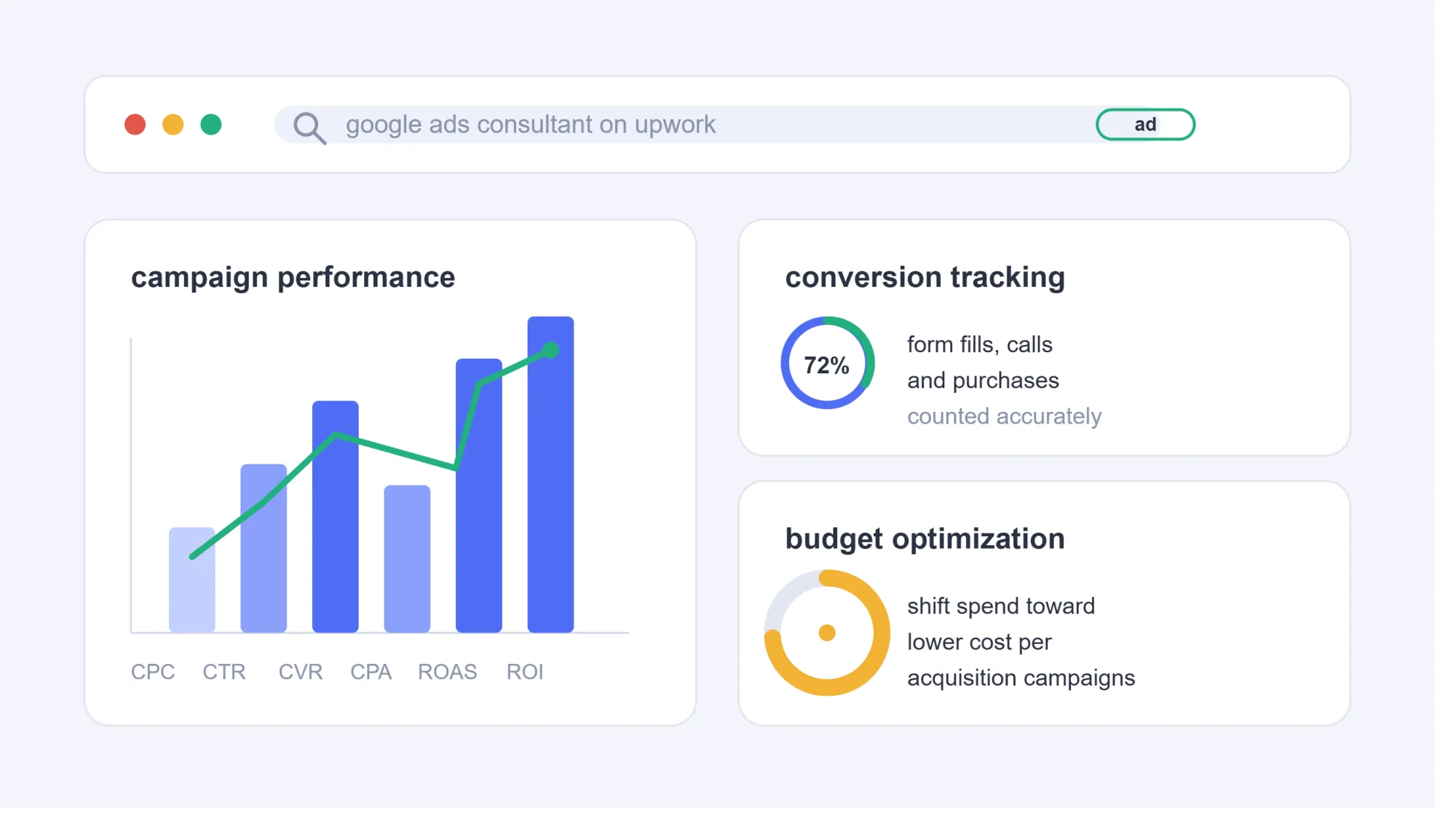
Conversion tracking is the process of identifying and measuring the specific actions that users take on your website which directly contribute to your business goals. These actions—often referred to as conversions—can include form submissions, product purchases, newsletter sign-ups, downloads, or even actions like clicking a call button or spending a certain amount of time on a page. By defining and tracking these key actions, businesses can clearly understand whether their website and marketing efforts are actually driving meaningful outcomes. This makes conversion tracking an essential component of any performance-focused digital strategy.
One of the biggest advantages of effective conversion tracking is that it provides clarity on what is truly working. Instead of relying on vanity metrics like page views or traffic volume, businesses can focus on results that directly impact revenue and growth. By analyzing conversion data, marketers can identify which campaigns, landing pages, keywords, or traffic sources are delivering the highest return on investment (ROI). This allows them to optimize their strategies, allocate budgets more efficiently, and eliminate underperforming efforts. Without proper conversion tracking, it becomes nearly impossible to measure success accurately or make informed decisions.
Additionally, conversion tracking plays a critical role in understanding user intent and behavior. By studying how users move through the website before completing a conversion, businesses can identify friction points in the customer journey. For example, if users frequently abandon a form or drop off at the checkout stage, it indicates areas that need improvement. Addressing these issues—whether through better design, clearer messaging, or improved functionality—can significantly increase conversion rates and overall performance.
At ClickBox Agency, conversion tracking is implemented with precision and aligned closely with each client’s business objectives. The team goes beyond basic setup by configuring advanced tracking systems that capture meaningful user interactions and provide deep insights into performance. By analyzing this data, ClickBox Agency helps businesses refine their marketing strategies, enhance user experience, and ultimately improve conversion rates. This data-driven approach ensures that every action is measurable, every insight is actionable, and every campaign is optimized for maximum results.
Importance of Tracking Website Traffic and Conversions
Tracking website traffic and conversions is essential for making informed and strategic business decisions in today’s competitive digital environment. Without reliable data, businesses are forced to depend on assumptions, which often results in ineffective campaigns, wasted budgets, and missed growth opportunities. Through accurate website traffic analysis, businesses gain clear visibility into how users interact with their website—what attracts them, what engages them, and what causes them to leave. At the same time, conversion tracking helps measure whether those interactions are translating into meaningful outcomes such as leads, sales, or sign-ups. Together, these insights remove uncertainty and provide a solid foundation for smarter decision-making.
Another major advantage of tracking is the ability to continuously optimize performance. By identifying which traffic sources, campaigns, and content pieces are delivering the best results, businesses can focus their efforts on high-performing strategies. This not only improves efficiency but also ensures that marketing investments generate maximum returns. For example, if a particular channel is driving high-quality traffic with strong conversion rates, businesses can scale those efforts while refining or eliminating underperforming ones. This ongoing optimization leads to improved ROI and supports long-term, sustainable growth.
At ClickBox Agency, data-driven decision-making is at the heart of every marketing strategy. The agency combines in-depth website traffic analysis with precise conversion tracking to create a complete performance picture for its clients. By turning raw data into actionable insights, ClickBox Agency ensures that every campaign, optimization, and strategic move is backed by real evidence. This approach not only enhances marketing effectiveness but also delivers measurable and consistent success for businesses across industries.
Tools for Website Traffic Analysis
There are several tools available for tracking website traffic, with platforms like Google Analytics being the most widely used due to their powerful and comprehensive features. These tools provide detailed insights into user behavior, including how visitors find your website, which pages they interact with, how long they stay, and where they exit. Such data is essential for effective website traffic analysis, as it helps businesses understand audience preferences and evaluate the performance of different marketing channels. Choosing the right analytics tool—and configuring it properly—plays a crucial role in ensuring accurate data collection and meaningful insights.
In addition to traditional analytics platforms, tools like Hotjar and Crazy Egg provide deeper visibility into user interactions through heatmaps and session recordings. These tools visually represent how users navigate a website, where they click, how far they scroll, and which elements capture their attention. This level of insight helps businesses identify usability issues, optimize page layouts, and improve overall user experience. By combining behavioral insights with quantitative data, businesses can make more informed decisions to enhance engagement and conversions.
At ClickBox Agency, a multi-tool approach is used to deliver comprehensive analytics solutions. Instead of relying on a single platform, the agency integrates various tools to capture a complete picture of user behavior and performance. By combining data from analytics platforms, heatmaps, and tracking systems, ClickBox Agency ensures accurate data collection and deeper analysis. This integrated strategy enables businesses to gain actionable insights, optimize their digital strategies, and ultimately achieve better results.
Setting Up Website Traffic Tracking
Setting up traffic tracking involves installing tracking codes on your website and properly configuring analytics tools so that every user interaction is captured accurately. This includes actions such as page views, clicks, scrolls, and navigation paths. Tools like Google Analytics or Google Tag Manager are commonly used to implement and manage these tracking codes efficiently. A correct setup ensures that businesses receive reliable data, which is essential for effective website traffic analysis and informed decision-making.
Beyond installation, it is equally important to configure tracking settings based on specific business goals. This includes setting up filters to exclude internal or irrelevant traffic, defining traffic sources to understand where users are coming from, and enabling enhanced measurement features to automatically track interactions like scrolls, outbound clicks, and file downloads. Proper configuration ensures that the data collected is not only accurate but also meaningful and aligned with business objectives.
At ClickBox Agency, traffic tracking setup is handled with precision and expertise. The team ensures seamless implementation by configuring tracking systems, validating data accuracy, and testing all tracking elements thoroughly. By addressing potential issues such as duplicate tracking or missing data points, ClickBox Agency helps businesses avoid common errors and build a strong foundation for accurate data collection and performance analysis.
Key Metrics in Website Traffic Analysis
Understanding key metrics is fundamental to effective website traffic analysis, as these indicators reveal how users interact with your website. Core metrics such as sessions, users, pageviews, and bounce rate provide a clear picture of traffic volume and user behavior. For instance, sessions indicate the number of visits, while users represent unique visitors. Pageviews show how often content is accessed, and bounce rate highlights the percentage of visitors who leave without further interaction. Together, these metrics help businesses evaluate the overall performance of their website and identify areas that need improvement.
In addition to basic metrics, engagement-focused indicators play a crucial role in measuring how interested users are in your content. Metrics like average session duration and pages per session reveal how deeply users engage with your website. A higher session duration suggests that visitors find the content valuable, while more pages per session indicate effective navigation and strong internal linking. These engagement metrics are essential for understanding content effectiveness and ensuring that users are not just visiting but actively interacting with your website.
At ClickBox Agency, these metrics are not just observed—they are analyzed in depth to uncover meaningful patterns and trends. The team examines fluctuations in user behavior, identifies high-performing pages, and detects areas where users drop off. By turning these insights into actionable strategies, ClickBox Agency helps businesses refine their content, improve user experience, and optimize marketing efforts. This data-driven approach ensures continuous performance improvement and sustainable digital growth.
Traffic Sources and Channels
Traffic sources indicate where your visitors are coming from, and they play a vital role in effective website traffic analysis. These sources typically include organic search (visitors from search engines), paid advertising (such as PPC campaigns), social media platforms, direct traffic (users typing your URL directly), and referral traffic from other websites. By analyzing these channels, businesses can understand how users discover their website and which sources contribute the most to overall traffic and engagement.
Each traffic channel comes with its own advantages and limitations. Organic traffic is highly valuable because it is cost-effective and often brings in users with strong intent, but it requires consistent SEO efforts and time to build. Paid advertising, on the other hand, delivers immediate visibility and quick results but involves ongoing investment. Social media can drive brand awareness and engagement, while referral traffic helps build credibility through external links. Understanding the strengths and challenges of each channel allows businesses to create a well-rounded marketing strategy.
At ClickBox Agency, traffic source analysis is used to identify the most effective channels for each client’s goals. The team evaluates performance across all sources, optimizes campaigns, and reallocates budgets to maximize results. By taking a strategic and data-driven approach, ClickBox Agency ensures that businesses maintain a balanced and efficient traffic generation strategy that supports long-term growth.
Conversion Tracking Setup
Setting up conversion tracking involves defining clear goals and tracking specific user actions such as form submissions, purchases, or sign-ups. This process includes configuring events, goals, and funnels within analytics tools to capture how users move through your website. A proper setup ensures accurate measurement of performance and helps businesses understand what actions are driving results.
It is important to focus only on meaningful actions that align with your business objectives. Tracking the right conversions ensures that the data collected is relevant, making it easier to analyze performance and optimize marketing strategies. This approach helps businesses improve efficiency and achieve better outcomes.
At ClickBox Agency, conversion tracking is customized based on each client’s goals. By aligning tracking systems with business objectives, ClickBox Agency ensures accurate data collection and helps businesses maximize their performance and results.
Types of Conversions to Track
There are different types of conversions, including macro and micro conversions. Macro conversions are primary goals such as purchases, while micro conversions include actions like newsletter sign-ups.
Tracking both types of conversions provides a complete view of user behavior. This helps businesses understand the customer journey and optimize their strategies.
ClickBox Agency ensures that all relevant conversions are tracked accurately. This provides a comprehensive view of performance and helps improve results.
Analyzing User Behavior
User behavior analysis helps businesses understand how visitors interact with their website. This includes tracking navigation patterns, click behavior, and engagement levels.
By analyzing behavior, businesses can identify pain points and optimize user experience. This leads to higher engagement and better conversion rates.
At ClickBox Agency, user behavior analysis is used to create data-driven strategies that enhance performance and improve conversions.
Funnel Analysis and Optimization
Funnel analysis helps businesses understand the steps users take before converting. This includes identifying drop-off points and optimizing the funnel for better results.
By improving each stage of the funnel, businesses can increase conversion rates and maximize ROI. This is a key aspect of effective conversion tracking.
ClickBox Agency specializes in funnel optimization. By analyzing user journeys and implementing improvements, the agency helps businesses achieve better results.
A/B Testing for Better Conversions
A/B testing involves comparing different versions of a webpage to determine which performs better. This helps businesses optimize their content and design for higher conversions.
Testing different elements, such as headlines, CTAs, and layouts, provides valuable insights. This improves decision-making and enhances performance.
ClickBox Agency uses A/B testing as part of its optimization strategy. This ensures continuous improvement and better outcomes for clients.
Integrating Traffic and Conversion Data
Integrating traffic and conversion data provides a complete view of performance. This helps businesses understand how traffic translates into results.
By combining these insights, businesses can identify high-performing channels and optimize their strategies. This leads to better ROI and growth.
ClickBox Agency integrates data from multiple sources to provide comprehensive insights. This ensures accurate analysis and effective decision-making.
Common Mistakes to Avoid
Common mistakes in analytics often include improper tracking setup, ignoring key metrics, and failing to analyze data regularly. If tracking codes are not implemented correctly or important events are missed, the data collected can be inaccurate or incomplete. Similarly, overlooking essential metrics like engagement or conversion rates can lead to a limited understanding of performance. These errors often result in poor decision-making and ineffective marketing strategies.
Another common mistake is focusing only on website traffic without considering conversions. While high traffic numbers may look impressive, they do not necessarily translate into business success. If visitors are not taking meaningful actions—such as making a purchase or filling out a form—then the traffic has little value. This is why balancing website traffic analysis with proper conversion tracking is crucial for measuring real performance.
At ClickBox Agency, these challenges are addressed with a strategic and data-driven approach. The team ensures accurate tracking setup, continuous monitoring, and detailed analysis of key metrics. By providing expert guidance and ongoing support, ClickBox Agency helps businesses avoid common pitfalls, improve data accuracy, and achieve better, measurable results.
Best Practices for Effective Tracking
To track website traffic and conversions effectively, businesses should follow key best practices such as proper setup, regular monitoring, and continuous optimization. Ensuring that tracking tools are correctly implemented from the beginning helps capture accurate data, while ongoing monitoring allows businesses to quickly identify changes in performance. Continuous optimization—based on data insights—helps refine strategies and improve results over time.
It is equally important to stay updated with the latest tools, technologies, and industry trends. As digital marketing evolves, new tracking methods and analytics features are introduced, making it essential for businesses to adapt. Keeping systems up to date ensures that your website traffic analysis and conversion tracking remain accurate, relevant, and effective in delivering actionable insights.
At ClickBox Agency, these best practices are consistently followed to achieve optimal outcomes. By leveraging advanced tools, updated strategies, and data-driven insights, ClickBox Agency ensures that clients benefit from accurate tracking, improved performance, and long-term digital success.
Conclusion
Tracking website traffic and conversions is essential for achieving success in today’s competitive digital landscape. By implementing effective website traffic analysis and conversion tracking, businesses gain clear insights into user behavior, campaign performance, and overall website effectiveness. This data-driven approach enables smarter decision-making, helping businesses focus on strategies that deliver real results rather than relying on assumptions.
With the right combination of tools, strategies, and expertise, businesses can continuously optimize their performance and drive sustainable growth. Data insights help identify opportunities, improve user experience, and increase conversion rates, making it easier to stay ahead of competitors. In an evolving digital environment, leveraging accurate data is key to maintaining a strong market position in 2026 and beyond.
ClickBox Agency stands out as a reliable partner in this journey by offering expert analytics solutions and strategic guidance. Through advanced tracking systems and data-driven methodologies, ClickBox Agency helps businesses unlock valuable insights, enhance performance, and achieve long-term success.
Call to Action
Ready to improve your website traffic analysis and conversion tracking?
Partner with ClickBox Agency and transform your data into growth-driven strategies.
👉 Get started today and take your digital performance to the next level!




























Sign in to leave a comment.