Introduction
Isopropyl alcohol sits in many medicine cabinets, cleaning trolleys, workshops, and clinics for good reason. It reduces surface microbes, dissolves skin oils, dries quickly, and leaves little residue when used correctly. Its usefulness, however, depends on strength, contact time, ventilation, and surface compatibility. Treated with care, this clear liquid can support cleaner tools, safer routines, and better household hygiene without creating avoidable irritation, fumes, or fire risk.
1. What Is It?
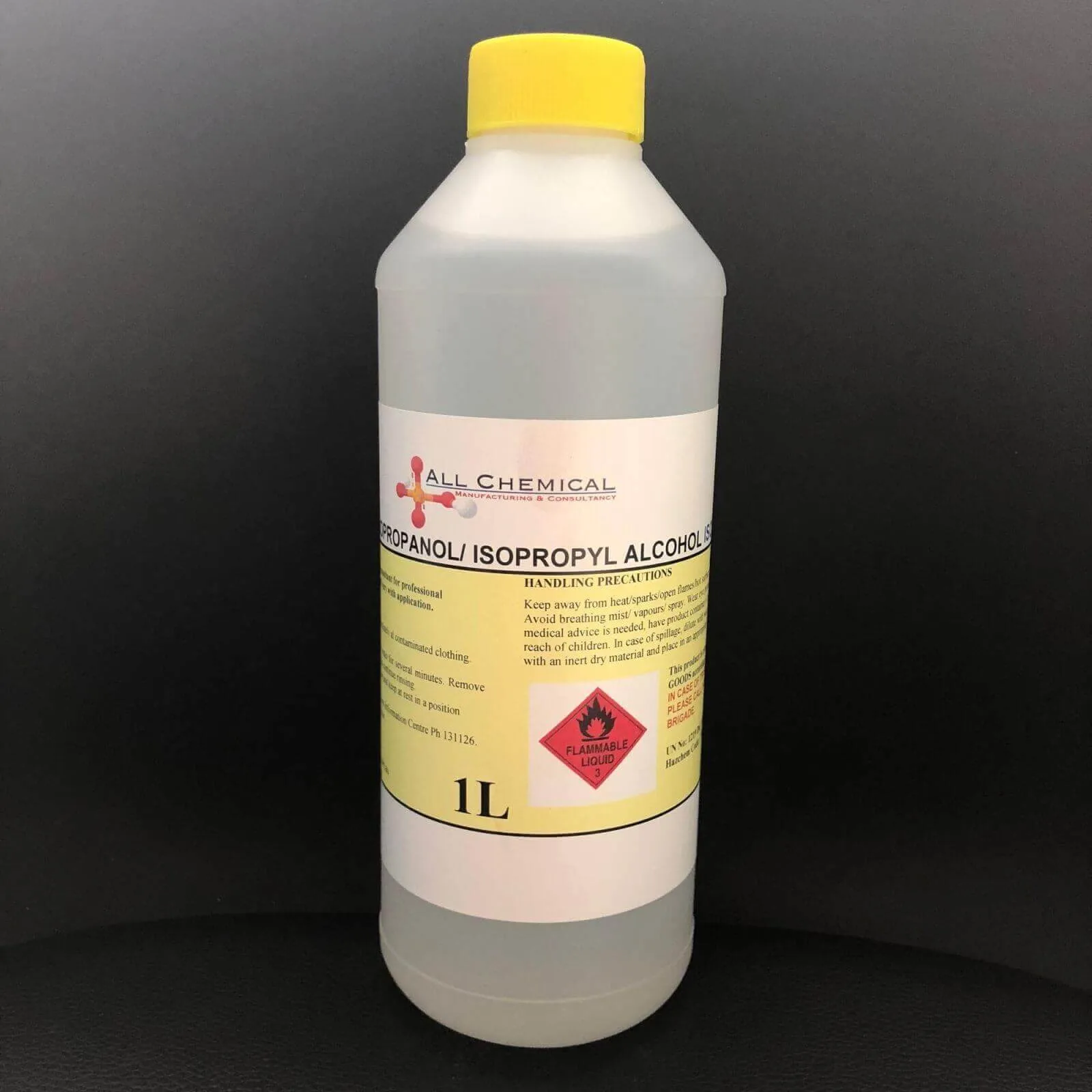
A clear, volatile antiseptic liquid, isopropyl alcohol blends readily with water and evaporates without heavy residue. For those looking for reliable supplies, isopropyl alcohol in Perth is available in different concentrations to suit various cleaning and sanitising needs. Pharmacies often stock 70 per cent and 91 per cent formulas. The lower strength stays wet longer, which helps microbial contact. Stronger grades evaporate faster, making them useful for glass, metal, electronics, and residue removal.
2. Common Strengths
Most households benefit from 70 per cent isopropyl alcohol. That concentration contains enough water to slow evaporation and improve surface contact.
Higher strengths, including 91 per cent and 99 per cent, suit moisture-sensitive equipment. They dry fast, but vapours ignite easily. Good airflow, closed caps, and distance from flames matter every time.
3. Surface Cleaning
On sealed counters, stainless steel, glass, handles, and many tools, isopropyl alcohol removes fingerprints, light grease, ink, and adhesive residue.
A hidden test spot should come first. Painted finishes, varnish, acrylic, and soft plastics may cloud, crack, or lose their sheen. Cleaning should take place away from heat, sparks, and enclosed spaces.
4. Sanitising Uses
For hard, non-porous surfaces, 70 per cent isopropyl alcohol can lower the microbial load when applied to a clean area. The surface must remain wet for long enough.
Visible dirt, food film, or oily residue can block contact. Washing first with soap or detergent improves results. Sanitising works best after debris has been removed.
5. First Aid Uses
Clinicians often use isopropyl alcohol pads to prepare intact skin before injections, blood draws, or minor procedures. The goal is to reduce surface microbes.
It should not be poured into deep wounds, burns, or broad abrasions. Alcohol can sting sharply and irritate exposed tissue. Clean running water is usually gentler for wound rinsing.
6. Electronics Care
High-purity isopropyl alcohol can clean keyboards, connectors, circuit boards, and charging ports because it lifts oil and dries with minimal residue.
Power should be switched off before any cleaning begins. A swab or lint-free cloth offers better control than direct pouring. Screens, batteries, and coated lenses require manufacturer guidance.
7. Household Tasks
Around the home, this liquid can lift marker stains, polish mirrors, clean razor heads, and loosen sticky label residue from durable surfaces.
Fabric requires caution. Dyes may bleed, and delicate fibres can weaken after exposure. Testing on a hidden seam protects upholstery, clothing, and linen from permanent marks.
8. Automotive Uses
Mechanics often use isopropyl alcohol on windscreen glass, wiper blades, small tools, and trim areas before applying tape or labels.
It can remove road film that scatters light and reduces visibility. Care is needed near paint, rubber seals, sensors, and hot parts. Ventilation remains important inside garages.
9. Beauty and Grooming
Tweezers, nail clippers, scissors, and some combs can be cleaned with isopropyl alcohol after visible debris has been washed away.
Skin needs more caution. Regular facial use can strip lipids from the outer barrier, causing dryness, burning, and irritation. Personal tools should dry fully before storage.
10. Safety Basics
Isopropyl alcohol is highly flammable. Bottles should be kept away from candles, heaters, cooktops, sparks, pilot lights, and smoking areas.
Vapours may irritate the eyes, airways, and sensitive skin. Gloves can help during longer cleaning tasks. Children and pets should never handle containers without adult supervision.
11. Storage and Disposal
Original containers are safest because labels show concentration, ingredients, hazards, and first aid directions. Caps should remain tightly closed between uses.
Store bottles upright in a cool, shaded, dry location. Large leftovers may require household hazardous waste collection. Local regulations should guide disposal, as drains are unsuitable in many areas.
12. Buying Tips
The right strength depends on the job. A 70 per cent formula is usually best for routine sanitising on hard, washable surfaces.
For electronics or optical parts, a higher-purity product may be appropriate. Labels should be checked for fragrance, dyes, oils, or additives. Plain formulas are usually the most versatile.
Conclusion
Isopropyl alcohol is useful because it combines antimicrobial action, fast drying, and strong residue removal in one inexpensive liquid. It can support skin preparation, tool hygiene, surface care, electronics maintenance, and many household chores. The same qualities that make it effective also require respect. It can ignite, irritate tissue, and damage certain materials. With the correct strength, careful testing, adequate airflow, and proper storage, it remains a practical part of daily safety habits.























Sign in to leave a comment.