Online competition in India is growing every year. More businesses are moving online to sell their products and services. Because of this, it is becoming harder to get attention. Many companies want quick results, more leads, and better sales. This is why PPC management services in India are becoming very popular in 2026.
PPC helps businesses show ads to the right people at the right time. Instead of waiting months for results, businesses can start getting traffic and inquiries almost immediately. In this guide, you will learn what PPC is, how it works, its benefits, cost, common mistakes, and how to choose the right PPC company in India.
What Is PPC?
PPC means Pay-Per-Click.
It is an online advertising method where you pay only when someone clicks your ad. You do not pay just because your ad is shown. You pay only when a person takes action and clicks.
For example, when someone searches on Google for "best digital marketing company in India," ads appear at the top of the page. These are paid ads. If someone clicks on that ad, the business pays a small amount for that click.
It is simple: No click = No payment.
This makes PPC a controlled and measurable way to advertise.
What Are PPC Management Services?
Running ads may look easy, but it requires planning, testing, and regular monitoring. PPC management services help businesses plan, run, and improve paid ad campaigns professionally.
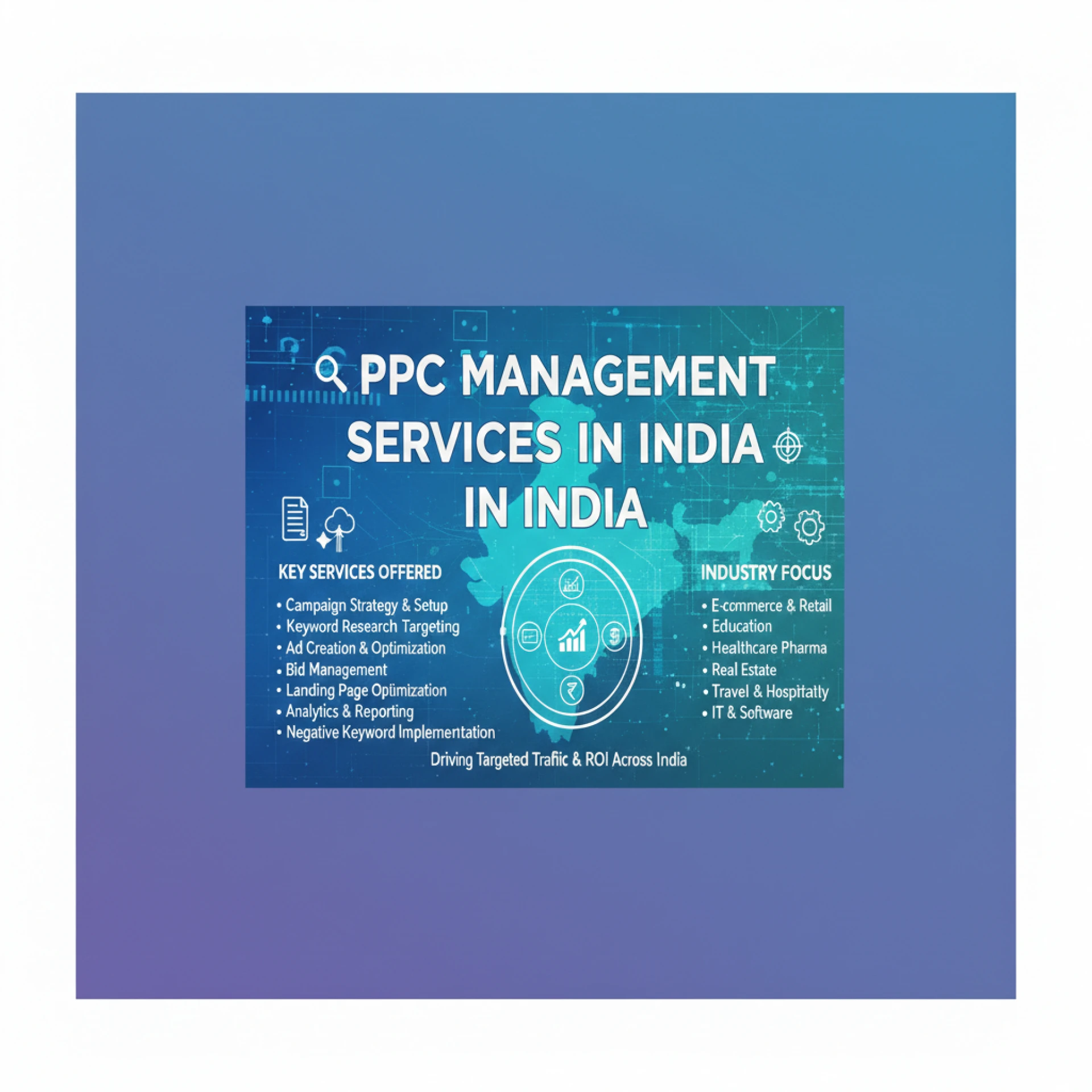
These services usually include:
- Finding the right keywords
- Studying competitors
- Creating strong ad copies
- Setting daily and monthly budgets
- Targeting the right audience
- Setting up conversion tracking
- Improving campaign performance regularly
- Providing detailed reports
A PPC agency manages ads on platforms like Google, Facebook, Instagram, LinkedIn, and YouTube.
The main goal is clear: get more leads and sales while spending money wisely.
Why PPC Is Important in 2026
The Indian digital market is more competitive than ever. Almost every business is advertising online. Organic marketing like SEO is important, but it takes time. PPC helps businesses get immediate visibility.
Here are the main reasons PPC is important:
Quick Results
Your ads can start appearing within hours after launching a campaign. This is useful for new businesses, seasonal offers, and product launches.
Target the Right Audience
You can show ads only to people who are likely to be interested. Targeting options include:
- Location (city, state, country)
- Age group
- Gender
- Interests
- Device type
- Search behavior
This reduces waste and improves lead quality.
Budget Control
You can decide how much to spend daily. You can pause campaigns anytime. You can increase budget for high-performing ads.
Measurable Performance
You can track:
- Number of clicks
- Cost per click
- Number of leads
- Cost per lead
- Sales generated
This helps you understand whether your ads are profitable.
Types of PPC Ads in India
Different businesses use different types of ads depending on their goals.
Search Ads
These ads appear when someone searches for specific keywords. They are best for service-based businesses and high-intent buyers.
Example: A user searching "hire PPC agency in India" is likely ready to contact a company.
Display Ads
These are image or banner ads shown on websites. They are useful for brand awareness and retargeting.
Social Media Ads
Facebook and Instagram ads help businesses reach users based on interests and behavior. These are useful for both B2B and B2C marketing.
Shopping Ads
These ads show product images, prices, and store details. They are ideal for e-commerce stores.
Remarketing Ads
These ads target people who visited your website but did not take action. Remarketing helps increase conversion rates.
How PPC Management Works Step by Step
A professional PPC agency follows a clear process.
First, they understand your business goals. They identify whether you want leads, sales, website traffic, or brand awareness.
Second, they research keywords. They find words and phrases that your potential customers search for.
Third, they create campaigns and ad groups properly. A well-structured account improves performance.
Fourth, they write clear and attractive ad copies. Good headlines increase click-through rates.
Fifth, they set up tracking tools to measure calls, form submissions, and purchases.
Sixth, they monitor and improve campaigns regularly. PPC needs ongoing adjustments. Bids are optimized, weak keywords are removed, and new ideas are tested.
Cost of PPC Management Services in India
The cost depends on several factors:
- Industry competition
- Your target location
- Monthly ad budget
- Campaign size
- Number of platforms used
Some agencies charge a fixed monthly management fee.
Some charge a percentage of your ad spend.
For example, if your monthly ad budget is higher, management fees may increase accordingly.
Small businesses can start with a small ad budget and scale slowly once results improve.
Benefits of Hiring a PPC Management Company
Hiring experts gives several advantages.
You save time because professionals handle daily monitoring.
You avoid wasting money on wrong keywords.
You get better quality leads because targeting is refined.
You improve return on investment through constant optimization.
You receive clear reports showing campaign performance.
An experienced team understands bidding strategies and platform rules better than beginners.
How to Choose the Right PPC Agency in India
Choosing the right company is very important.
Check their experience in your industry.
Ask for past results and case studies.
Make sure pricing is clear and transparent.
Ask how often they provide reports.
Understand their strategy for improving leads and reducing costs.
Avoid agencies that promise unrealistic results quickly.
Common PPC Mistakes to Avoid
Many businesses make mistakes such as:
Choosing very broad keywords
Not using negative keywords
Not tracking conversions properly
Sending traffic to poor landing pages
Stopping campaigns too early
Ignoring regular optimization
These mistakes increase costs and reduce results.
PPC vs SEO: Understanding the Difference
PPC provides fast visibility. You can start getting leads within days.
SEO focuses on organic ranking and long-term traffic growth.
PPC requires payment for each click. SEO requires time and consistent content effort.
The best approach is to combine both. PPC brings quick results while SEO builds long-term authority.
Is PPC Suitable for Small Businesses in India?
Yes. PPC works well for small businesses if campaigns are planned properly.
Even with a limited budget, you can target a specific city or service area. This helps local businesses compete with bigger brands.
For example, a local service provider can run ads only in their city instead of targeting the whole country.
Future of PPC in India
Digital advertising in India will continue to grow.
More businesses will compete for the same audience.
Better targeting options and improved tracking tools will help businesses measure performance more clearly.
Companies that focus on smart budget use and regular improvement will succeed.
Final Thoughts
PPC management services in India are a smart investment for businesses that want faster growth in 2026.
With proper planning, controlled spending, and continuous improvement, PPC can generate steady leads and improve sales.
Whether you are a startup, small business, or growing company, professional PPC management can help you reach the right audience at the right time.
If your goal is quick visibility, measurable results, and better return on investment, PPC can be a powerful marketing tool for your business.

























Sign in to leave a comment.