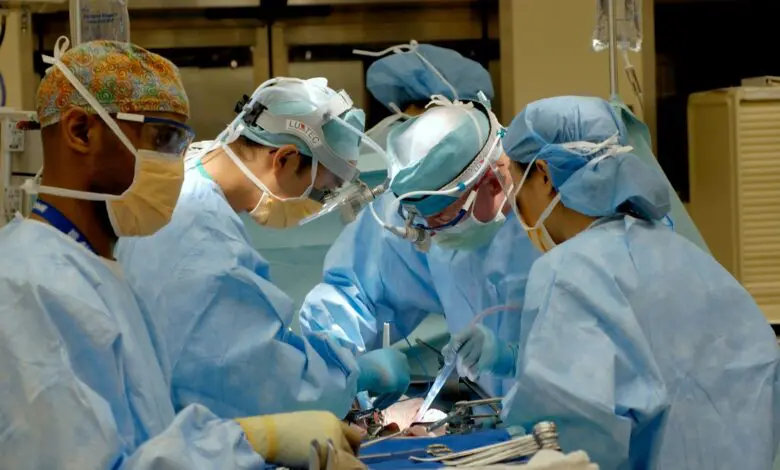

Preparing for surgery—whether it's elective or medically necessary—can be a source of anxiety and uncertainty. However, being informed and organised can ease stress, help you recover faster, and reduce the risk of complications. This step-by-step guide will walk you through how to prepare for surgery, both physically and mentally, so you feel confident and ready on the day of your procedure.
Step 1: Understand Your Procedure
The first step in preparing for surgery is gaining a clear understanding of what the procedure involves. Speak with your surgeon about:
- Why is the surgery necessary
- What the procedure entails
- Risks and benefits
- Expected recovery time
- Possible alternatives
Don’t hesitate to ask questions and request printed information or trusted online resources. Understanding the purpose and process of your surgery will help you feel more in control and less anxious.
Step 2: Attend Preoperative Appointments
Your surgeon or hospital will likely schedule a preoperative assessment a few days or weeks before your surgery. This appointment may include:
- A physical exam
- Blood tests
- Imaging studies (e.g., X-rays or MRIs)
- Anesthetic evaluation
Be sure to bring a list of your current medications, medical history, allergies, and any past surgical experiences. This is also the time to discuss anesthesia options and any concerns you may have about the procedure.
Step 3: Follow Pre-Surgery Instructions
You’ll be given specific instructions to follow in the days leading up to your surgery. These may include:
- Fasting guidelines: Typically, no food or drink after midnight the night before surgery.
- Medication management: You may need to stop taking certain medications like blood thinners, aspirin, or herbal supplements several days before the operation.
- Preoperative bathing: You might be asked to shower with a special antibacterial soap to reduce the risk of infection.
- Lifestyle adjustments: If you smoke or drink alcohol, your doctor may recommend cutting back or quitting temporarily to promote better healing and anesthesia safety.
It’s critical to follow these instructions closely to ensure your surgery proceeds as planned and safely.
Step 4: Prepare Your Body and Mind
Surgery can be physically and emotionally demanding, so it’s important to take care of your overall well-being:
- Eat a nutritious diet: Focus on whole foods, lean proteins, and plenty of fruits and vegetables to support your immune system.
- Stay active: Light exercise, like walking, can improve circulation and speed up post-operative recovery.
- Manage stress: Practice deep breathing, meditation, or gentle yoga to keep anxiety under control.
- Sleep well: Try to get consistent, restful sleep in the days before surgery to improve your physical resilience.
A strong body and calm mind can significantly contribute to a smoother surgical experience and faster healing.
Step 5: Organize Home and Support Systems
Before surgery, take time to prepare your home and coordinate any help you may need afterward:
- Set up a recovery area: Have comfortable pillows, blankets, entertainment, and essential items within reach.
- Stock your kitchen: Prepare or purchase easy-to-make meals.
- Arrange transportation: You’ll need someone to drive you to and from the hospital or surgical center.
- Enlist help: Depending on your recovery, ask a friend or family member to assist with daily tasks like cooking, childcare, or errands.
Having these supports in place can make a significant difference in how smoothly your recovery goes.
Step 6: Pack Your Hospital Bag (If Staying Overnight)
If your surgery involves an overnight hospital stay, pack a small bag with:
- Comfortable clothing and socks
- Toiletries (toothbrush, toothpaste, lip balm)
- Personal items (phone charger, book, glasses)
- Copies of your ID, insurance, and medical information
Keep it simple, and only bring what you truly need to stay comfortable during your stay.
Step 7: The Night Before Surgery
The night before surgery can feel overwhelming. Here’s how to prepare:
- Confirm your surgery time and arrival instructions
- Stop eating and drinking by the instructed time
- Remove all jewelry, piercings, nail polish, and makeup
- Set multiple alarms to ensure you wake up on time
- Get a good night’s sleep, even if you’re nervous—your body needs rest
Stay calm, review your instructions one more time, and know that you're doing everything right to prepare.
Final Thoughts
Surgery is a significant event, but with proper preparation, you can approach it with confidence and peace of mind. By understanding your procedure, following preoperative instructions, preparing your body and home, and organising support, you lay the foundation for a smooth operation and successful recovery.
Remember, communication with your healthcare team is key. If anything is unclear, speak up—your peace of mind and safety are top priorities.


























Sign in to leave a comment.