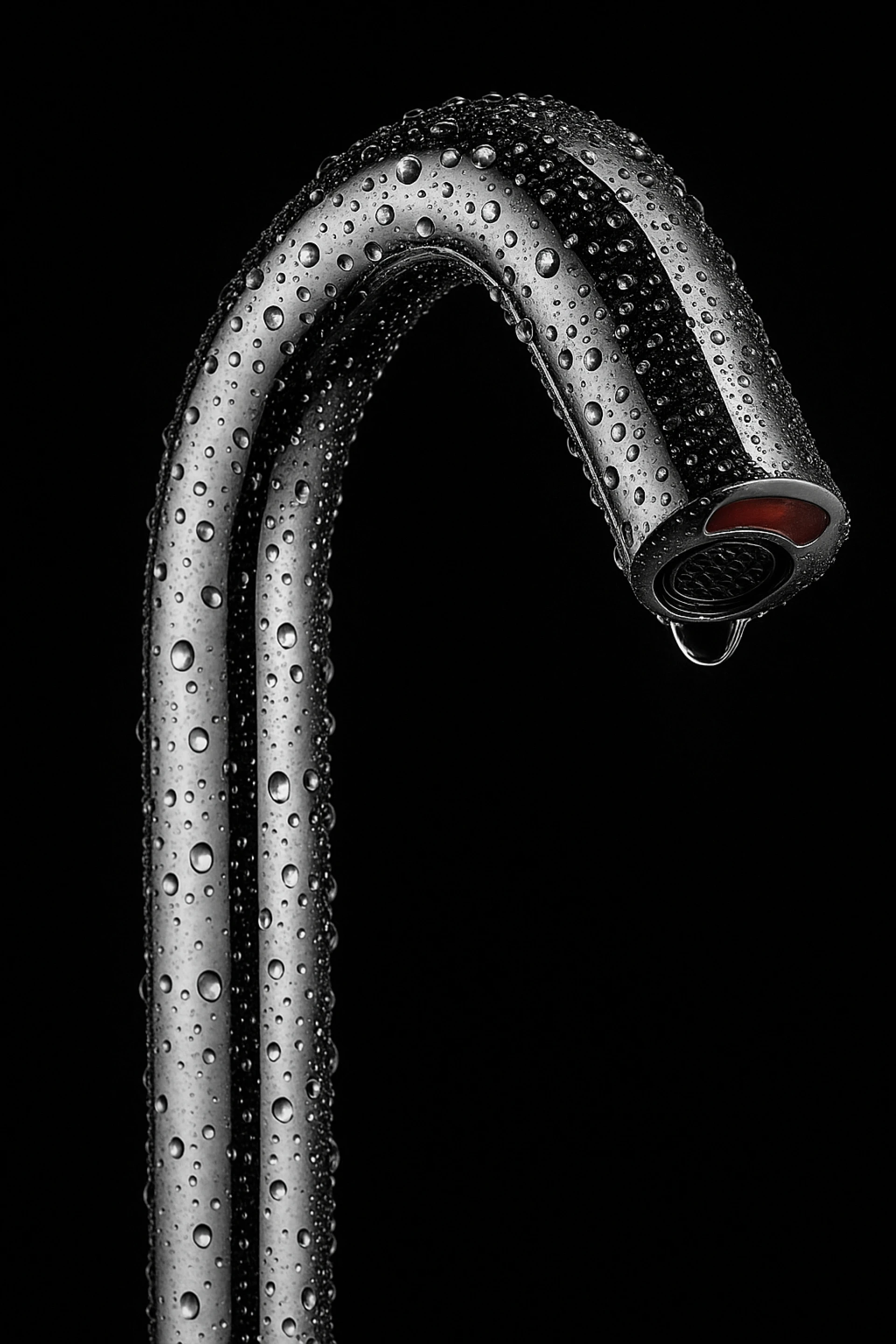

Tired of germy faucet handles and watching water—and money—go down the drain? You’re not alone. Welcome to the future of plumbing: the Sensor Tap! These touchless faucets are no longer just for fancy airports and hospital restrooms. They’re becoming an essential, smart, and stylish upgrade for modern homes and commercial spaces.
But what exactly is a sensor tap, and is it right for you? Let's dive into everything you need to know about this revolutionary fixture.
What Exactly Is a Sensor Tap? (The Tech Behind the Magic)
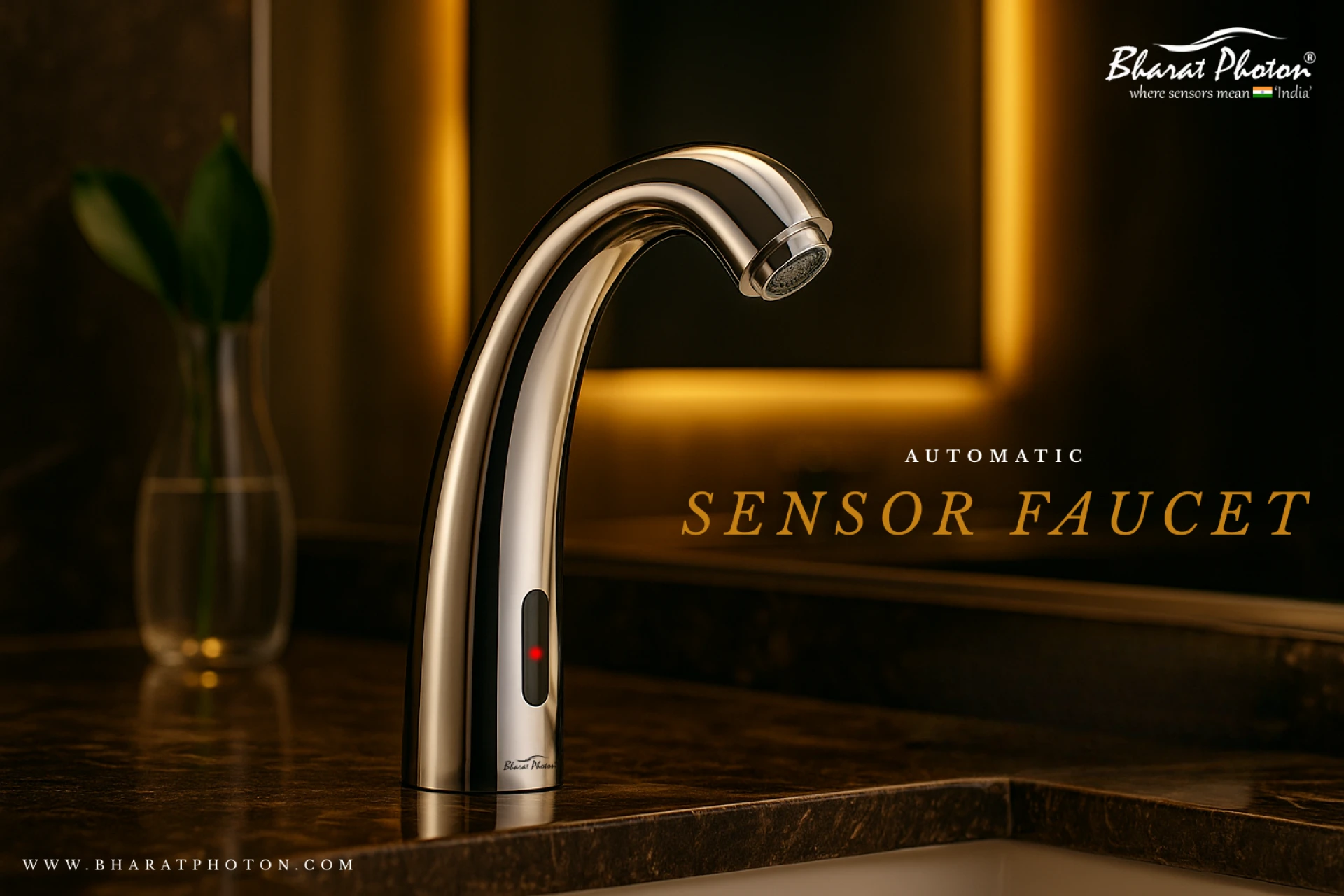
A sensor tap (also known as a touchless faucet or automatic faucet) is a type of water fixture that operates without needing to touch a handle or knob. Instead, it uses a built-in proximity sensor to detect a user’s hands placed within a certain range.
Think of it as having a little electronic eye watching the sink. When your hands enter the sensor’s field of vision, it sends a signal to an electrically operated solenoid valve, which opens the water flow. The moment you remove your hands, the valve closes, and the water stops instantly. It’s simple, effective, and feels a little bit like magic!
Key Components of a Touchless Faucet
- The Sensor: This is usually an infrared sensor located near the base or on the neck of the faucet. It emits a light beam and waits for it to reflect back, indicating your hands are present.
- The Solenoid Valve: This is the most crucial part. It’s an electromagnetic device that acts as the electronic 'on' and 'off' switch for the water supply.
- The Power Source: Sensor taps typically run on batteries (often AA or lithium) housed in a box under the sink, or they can be hardwired into the building’s electrical system.
- The Faucet Body: This is the visible fixture itself, designed to house the components and often featuring a sleek, modern aesthetic.
Why Should You Switch to Touchless? The Benefits are Clear
Moving to a hands-free faucet offers significant advantages for both residential and commercial settings, making them a top choice for eco-friendly home upgrades and public health.
1. Superior Hygiene & Germ Control 🧼
This is the biggest benefit, especially in a world where we’re hyper-aware of germs. With a traditional tap, you touch the handle after washing your hands, potentially re-contaminating them. A touchless tap eliminates this contact point entirely, drastically reducing the spread of bacteria, viruses, and pathogens. This makes them essential for commercial restrooms, kitchens, and medical facilities.
2. Amazing Water Savings 💧
The automatic shut-off feature is a game-changer for conservation and your water bill. Water only flows when the sensor detects hands. No more accidental drips, or running water while scrubbing dishes or brushing teeth! Studies often show that Automatic Tap can reduce water consumption by 50% or more compared to manual taps, positioning them as a fantastic water-saving tap for homes.
3. Less Mess, Easier Cleaning ✨
Kids, cooking, or a busy office—taps are notorious for getting grimy. Since you never touch the tap body, you eliminate the mess of soapy, wet hands on the fixture itself. This means less scrubbing and a cleaner sink area, perfect for maintaining a pristine kitchen sensor faucet or public washroom faucet.
4. Accessibility and Safety
For children, the elderly, or people with limited mobility, a motion sensor faucet is much easier to operate than stiff handles. There's no twisting or struggling, making the sink area more accessible for everyone.
Sensor Taps for Every Space: Home vs. Commercial
While the core technology is the same, there are differences between taps designed for a private home and those for a busy public space.
For Your Home 🏡
In a residential setting, kitchen sensor taps and bathroom touchless faucets are all about convenience and style. They typically offer a sleek design and may have more advanced features:
- Design Focus: More style options, including high-arc faucets and various finishes.
- Temperature Control: Often include a small side handle or a dial under the counter to set the temperature, which remains constant until adjusted.
- Dual Functionality: Some modern home faucets are hybrid, offering both touchless operation and a manual handle override.
For Commercial Spaces 🏢
In high-traffic areas like schools, offices, restaurants, and hospitals, the priority is durability, water conservation, and hygiene.
- Durability: Built to withstand constant, heavy use and potential vandalism.
- Tamper-Proof: Components are often secured or hidden to prevent tampering.
- Preset Temperature: Most commercial units have the temperature pre-mixed and fixed to prevent scalding and save energy on heating adjustments. This ensures a consistent, safe water temperature.
Frequently Asked Questions (FAQs)
Are sensor taps difficult to install?
Generally, no. For a basic battery-operated model, the installation process is very similar to a standard tap, requiring basic plumbing knowledge. However, if you are opting for a hard-wired unit, it’s best to hire a professional plumber or electrician.
What happens when the batteries die?
If the unit is battery-powered, the water flow will stop when the batteries run out. Many modern automatic faucets have a low-battery indicator light to warn you well in advance, giving you time to swap them out.
Can I control the water temperature?
Yes. In commercial settings, the temperature is often preset by a plumber. For homes, sensor bathroom taps and kitchen faucets usually have a manual mixer (a small handle or dial) to set the temperature before using the touchless function.
How do I adjust the sensor's sensitivity?
Most hands-free taps come with an adjustable sensitivity setting, allowing you to fine-tune the detection range. This is usually done with a small dial or switch on the control box underneath the sink.
Ready to Upgrade Your Washroom?
If you’re looking to enhance hygiene, save water, and add a touch of modern sophistication to your space, a Automatic Sensor Tap is an incredibly smart investment. From busy commercial kitchens to your family bathroom, the benefits of going touchless are undeniable.
























Sign in to leave a comment.