
The industrial world relies on numerous chemical compounds to improve product performance and durability. One such essential compound is Tribasic Lead Sulphate (TBLS)a crucial stabilizer used in the PVC (Polyvinyl Chloride) industry. Known for its superior heat stability and excellent electrical insulation properties, this compound plays a significant role in cable manufacturing, pipes, and other plastic products.
Over the years, Tribasic Lead Sulphate Manufacturers in Indiahave established themselves as global leaders, supplying high-quality stabilizers to various industries. Among them, Ala Polystabs has gained a strong reputation for producing reliable and consistent Tribasic Lead Sulphate products. In this article, we’ll explore the complete manufacturing process, the chemical principles behind it, and the importance of choosing the right manufacturer for your industrial needs.
1. What is Tribasic Lead Sulphate?
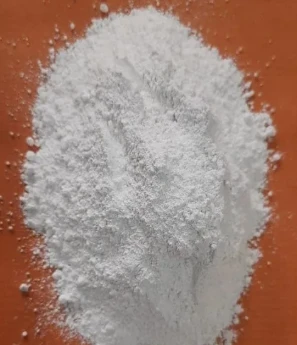
Tribasic Lead Sulphate (chemical formula: 3PbO·PbSO₄·H₂O) is a white crystalline powder made by combining lead oxide (PbO), lead sulphate (PbSO₄), and water molecules in specific proportions. It’s one of the most commonly used lead-based stabilizers for PVC processing because of its high thermal stability, excellent dispersion, and ability to prevent polymer degradation during high-temperature extrusion and molding.
This compound ensures that PVC retains its strength, flexibility, and color consistency over time, especially when exposed to heat or sunlight.
2. Importance of Tribasic Lead Sulphate in the PVC Industry
PVC is a thermoplastic polymer that is low when heated during processing. To prevent this, stabilizers are added to maintain the structure of the polymer. Tribasic lead sulphate is particularly valuable because:
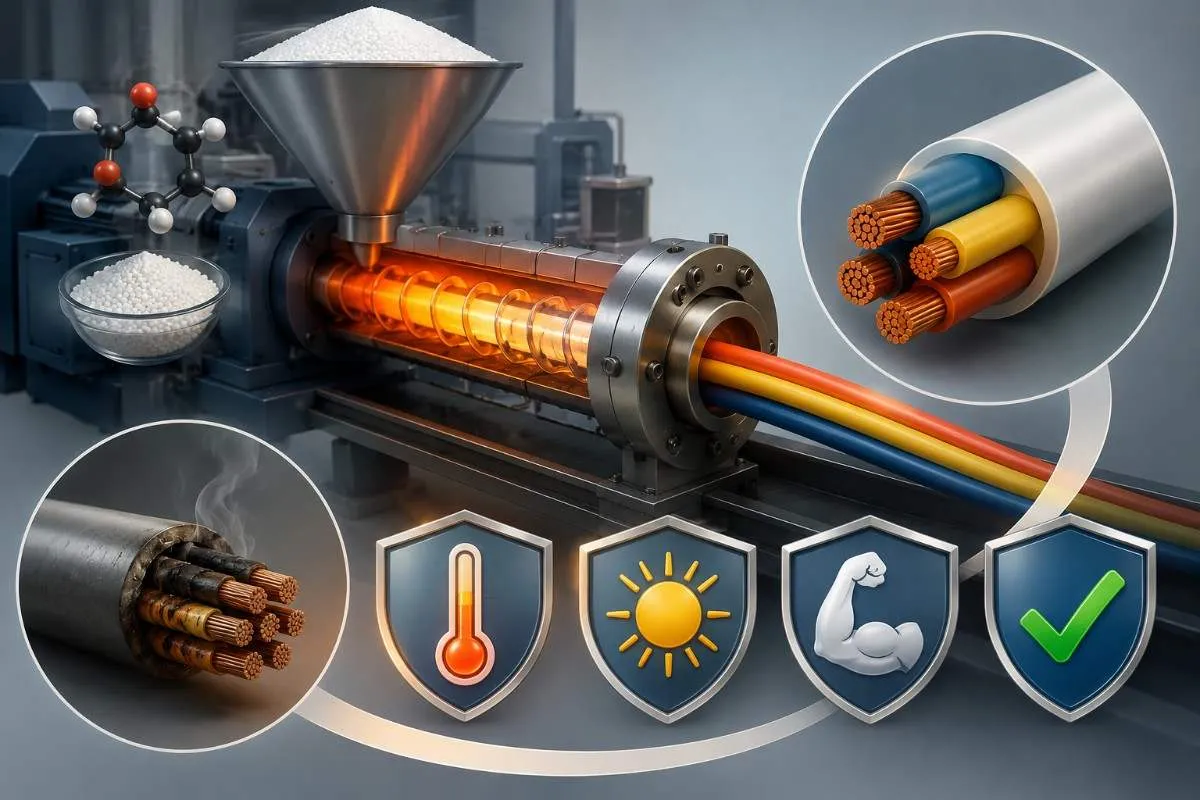
• It increases thermal stability, ensuring that PVC does not break under high temperature.
• It improves electrical insulation, which is important for cable and wire production.
• It provides excellent weather resistance, causing PVC pipes and profiles to last long under external conditions.
• It acts as a lubricant and filler, improves processing efficiency.
As a result, Tribasic lead sulphate manufacturers in India, such as Ala Polystabs, are in high demand between PVC product manufacturers.
3. Raw Materials Used in Tribasic Lead Sulphate Manufacturing
Before diving in the process, it is necessary to understand the raw material involved in it. There are primary materials:
1. Lead Oxide (PBO): Provides the required lead material and serves as the base component.
2. Sulfuric acid (H₂SO₄): Reacts with lead oxide to create a lead sulphate.
3. Water (H) O): Crystal helps maintain structure and aids the response process.
High purity material is important for frequent product quality. The leading tribal lead sulphate manufacturers in India ensure raw material testing and purity verification at every stage.
4. Step-by-Step Manufacturing Process
The construction of a tribal lead sulphate includes several careful controlled chemical and physical processes. Below is a simplified observation of how Ala Polystab and other major manufacturers produce this compound:
Step 1: Preparation of the Lead Oxide Slurry
Lead oxide is mixed with water to form a slurry. This mixture ensures uniform dispersion of lead oxide particles, which is essential for efficient chemical reaction in later stages.
Step 2: Controlled Reaction with Sulphuric Acid
A measured amount of diluted sulphuric acid is added to the slurry under constant stirring. This initiates a chemical reaction that partially converts lead oxide into lead sulphate.
The reaction is carefully monitored to maintain the desired pH and temperature, typically around 70–80°C. This ensures a uniform reaction and prevents the formation of undesired compounds.
Step 3: Formation of Tribasic Lead Sulphate Compound
As the reaction continues, the intermediate compounds—monobasic and dibasic lead sulphate transform into tribasic lead sulphate. The stoichiometric balance of the reactants and precise temperature control are key factors in achieving the right chemical composition.
Step 4: Filtration and Washing
Once the reaction is complete, the slurry is filtered to separate the solid tribasic lead sulphate from the liquid phase. The solid product is then thoroughly washed with deionized water to remove any residual acid or impurities.
Step 5: Drying and Pulverizing
The filtered material is dried in hot-air dryers at controlled temperatures to remove moisture without affecting the product’s crystal structure. After drying, it is pulverized into fine powder form, ensuring uniform particle size for better dispersion in PVC applications.
Step 6: Quality Testing and Packaging
Finally, the finished product undergoes multiple quality control tests for parameters such as lead content, moisture level, particle size distribution, and thermal stability. Once approved, it is packaged in moisture-proof bags, ready for shipment.
5. Quality and Safety Standards
The reputed tribal lead sulphate manufacturers in India, such as Ala Polystabs, follow strict quality standards and environmental protocols during production. Some of these include:
• ISO-prohibited manufacturing facilities ensuring process stability.
• To handle environmental safety measures responsibly lead-based materials.
• Stringent laboratory tests using advanced equipment to verify purity and chemical composition.
• Worker safety protocols to work and prevent lead exposure during production.
Maintaining high quality standards not only improves product reliability, but also creates confidence with customers in the global market.
6. Applications of Tribasic Lead Sulphate
The versatility of TBLS makes it a favourite option in various industries. Major applications include:
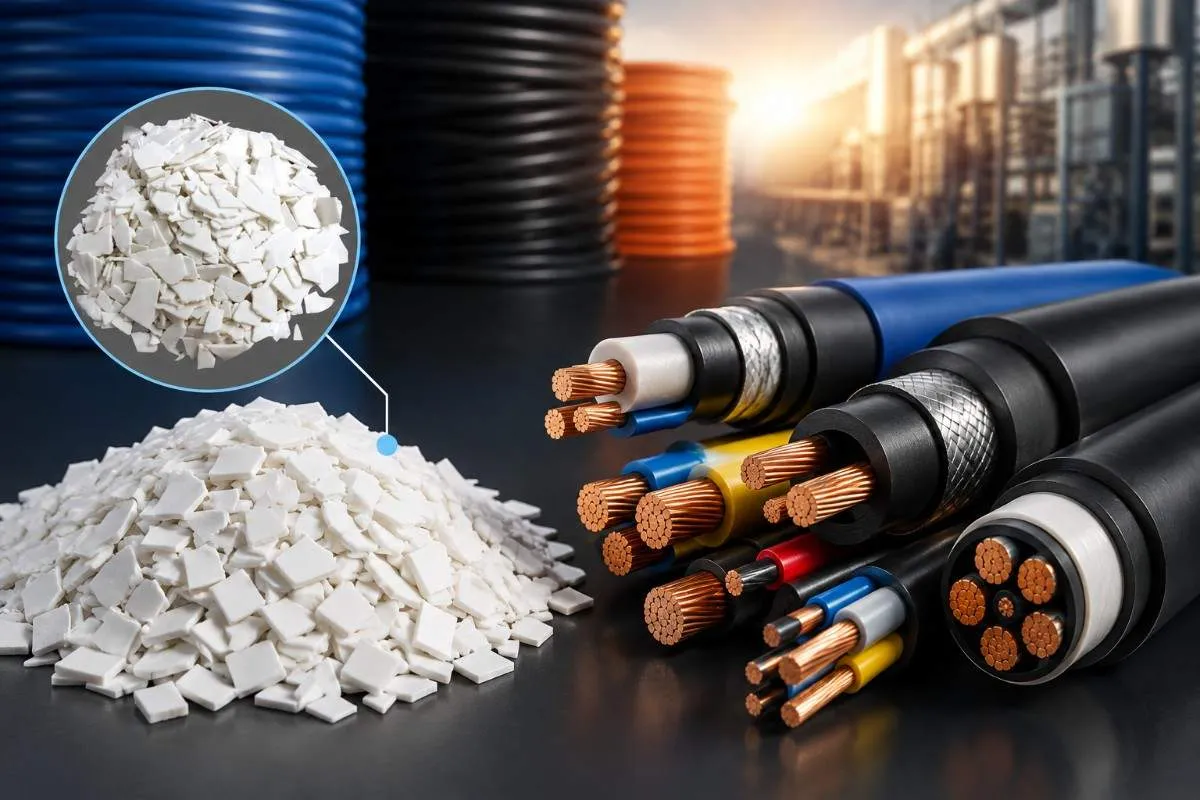
• PVC wires and cables provide heat and electrical stability.
• PVC pipes and fittings: weather and UV increase resistance.
• PVC sheets and profiles: Improves durability and color retention.
• Conduits and molded products: provides mechanical strength and smooth finish.
Companies such as Ala Polystabs supply a series of tribal lead sulphate for specific applications, which ensure maximum efficiency and compatibility with various PVC yogas.
7. Environmental and Safety Considerations
Lead-based stabilizers, though effective, require careful handling to ensure environmental safety. Leading manufacturers have adopted closed loop production systems, dust-free processing and waste treatment facilities to reduce environmental impact.
In addition, many tribal lead sulphate manufacturers in India are investing in research to develop lead-free stabilizer options while maintaining the performance of traditional products.
Conclusion
Understanding the tribal lead sulphate manufacturing process gives insight into the necessary accuracy, expertise and responsibility in the chemical industry. From the selection of raw materials to controlled chemical reactions and quality tests, each stage demands accuracy and adherence for safety standards.
Ala Polystabs, as one of the leading tribal lead sulphate manufacturers in India, gives an example of how advanced technology, environmental care and quality commitment in modern manufacturing can occur.
By distributing better products and maintaining global standards, Indian manufacturers are not only fulfilling domestic demand, but also strengthening their presence in international markets - India is making India a reliable name in the PVC stabilizer industry.

























Sign in to leave a comment.