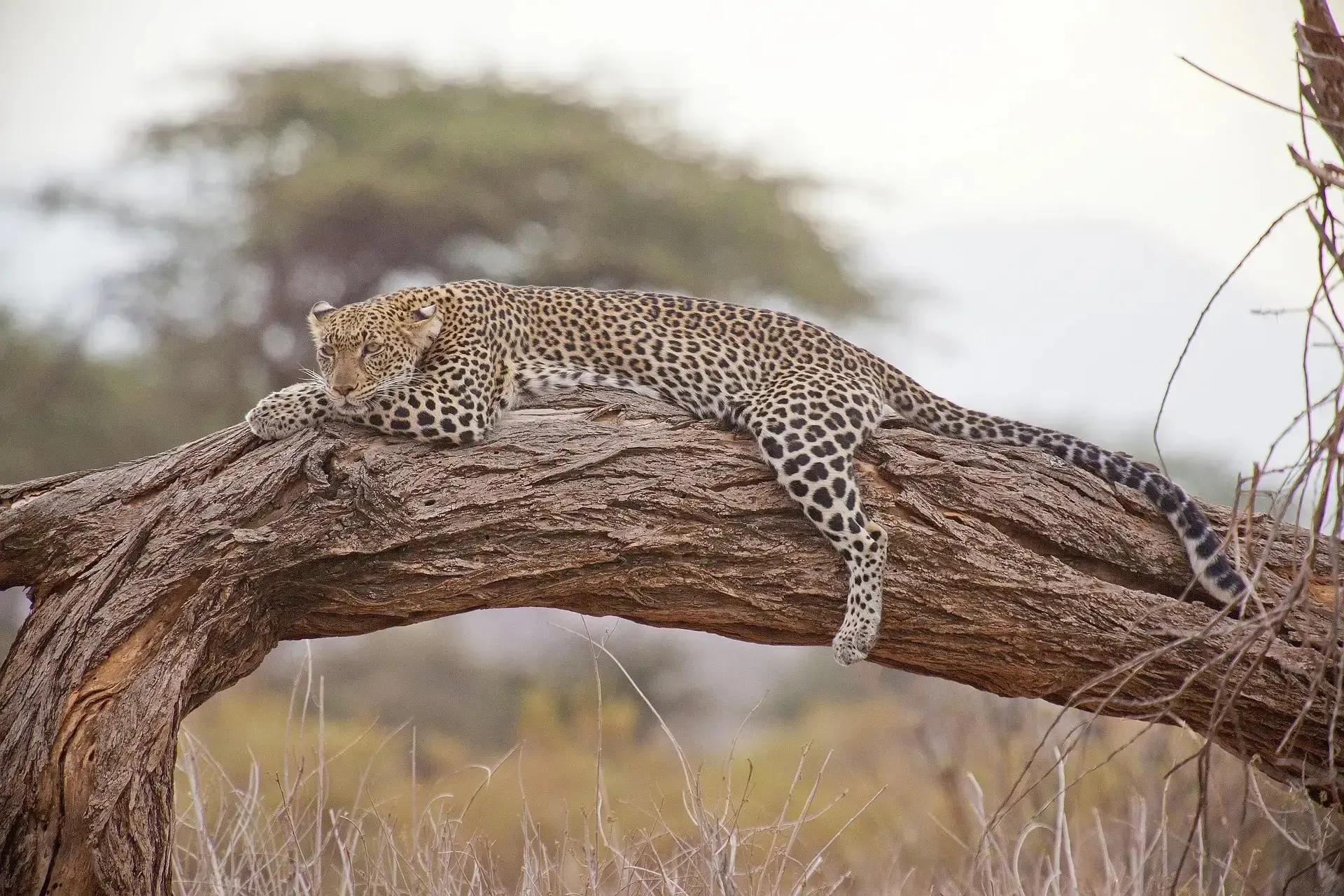

Planning a journey from the bustling Blue City of Jodhpur to the rugged wilderness of Jawai offers travelers one of the most distinctive eco-tourism experiences in India. Located approximately 150 kilometers south of Jodhpur, Jawai has earned international renown for its unique ecosystem where wild leopards co-exist in harmony with the indigenous Rabari shepherd community. Unlike standard national parks bounded by artificial fencing, this region features massive granite rock formations, ancient caves, and open riverbeds that form a natural sanctuary. Choosing to book a luxury resort in Jawai allows visitors to experience this wilderness up close while enjoying high-end hospitality.
Jodhpur City Center / Airport │ ▼ (NH62 Drive - Approx. 3 to 3.5 Hours) Pali District Bypass │ ▼ (Via Sumerpur / Falna Route) Village Sena / Jawai Dam Region │ ▼ The Jawai Sagar Resort
Strategic Route Planning and Transportation Options
Traveling from Jodhpur to Jawai is straightforward and provides several transit modes tailored to different schedules and travel styles.
- By Private Taxi or Self-Drive: Taking National Highway 62 (NH62) via Pali and Sumerpur is the most convenient road route. The drive spans roughly 3 to 3.5 hours across well-maintained state and national highways, offering smooth connectivity right to the granite foothills.
- By Train Connectivity: Travelers preferring rail journeys can take direct trains from Jodhpur Junction to Jawai Bandh (JWB) or Falna (FA) railway stations. Prominent daily services like the Ranakpur Express complete the journey in approximately 3 to 4 hours. Pre-arranged private transfers pick up guests directly from these stations to reach their hotel accommodation.
- By Air Travel: Jodhpur Airport (JDH) serves as the primary aviation gateway for visitors flying in from major metropolitan hubs like Delhi, Mumbai, and Bengaluru. Arranging a direct chauffeur driven vehicle from Jodhpur Airport ensures a seamless transition into the wild landscape of Pali district.
Essential Wildlife Experiences and Leopard Sightings
The core attraction of any excursion to this region centers around track-and-sight game drives conducted across open terrain. Embarking on an authentic Jawai leopard safari places visitors in specialized open-top 4x4 vehicles equipped with experienced local trackers who monitor animal movements across the granite hills.
Key Safari Insights:
- Morning Drive Timings: 05:30 AM – 08:30 AM (ideal for tracking active felines returning from night hunts).
- Evening Drive Timings: 04:00 PM – 07:00 PM (optimal for capturing animals basking on sun-warmed rocks under golden hour light).
- Terrain Navigation: Open-top 4x4 Gypsies navigate steep granite hills and sand riverbeds where standard vehicles cannot operate.
Unlike typical game reserves that enforce rigid track routes, tracking felines near the Jawai Dam backwaters relies on generational ecological knowledge passed down by native Rabari trackers. These wild leopards roam freely around human settlements without conflict, creating unparalleled wildlife photography opportunities against the backdrop of natural stone monoliths.
Prime Accommodation and Scenic Lakeside Retreats
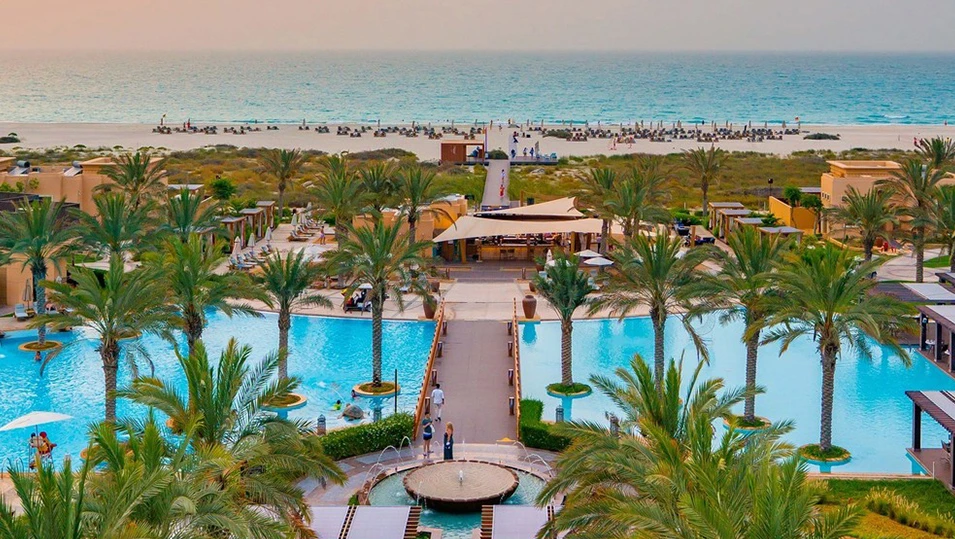
Selecting the right location for your stay dramatically alters your overall safari experience. Securing a luxurious stay near Jawai dam gives travelers immediate access to scenic backwater views, migratory bird watching zones, and fast transit to primary tracking sectors. Properties located in Sena village offer quiet surroundings away from heavy tourist corridors.
| Accommodation Feature | Advantage for Guests |
|---|---|
| Proximity to Backwaters | Direct views of the lake along with immediate access to crocodile and birding spots. |
| Private Balconies | Panoramic vistas of surrounding granite hills and dramatic desert sunsets. |
| On-Site Dining | Freshly prepared regional Rajasthani cuisine served in open-air garden settings. |
| Swimming Pool & Amenities | Relaxing spaces designed to unwind between morning and evening game drives. |
Seasonal Weather Conditions and Best Time to Visit
The region experiences distinct seasonal variations that influence wildlife visibility, bird migration patterns, and overall travel comfort.
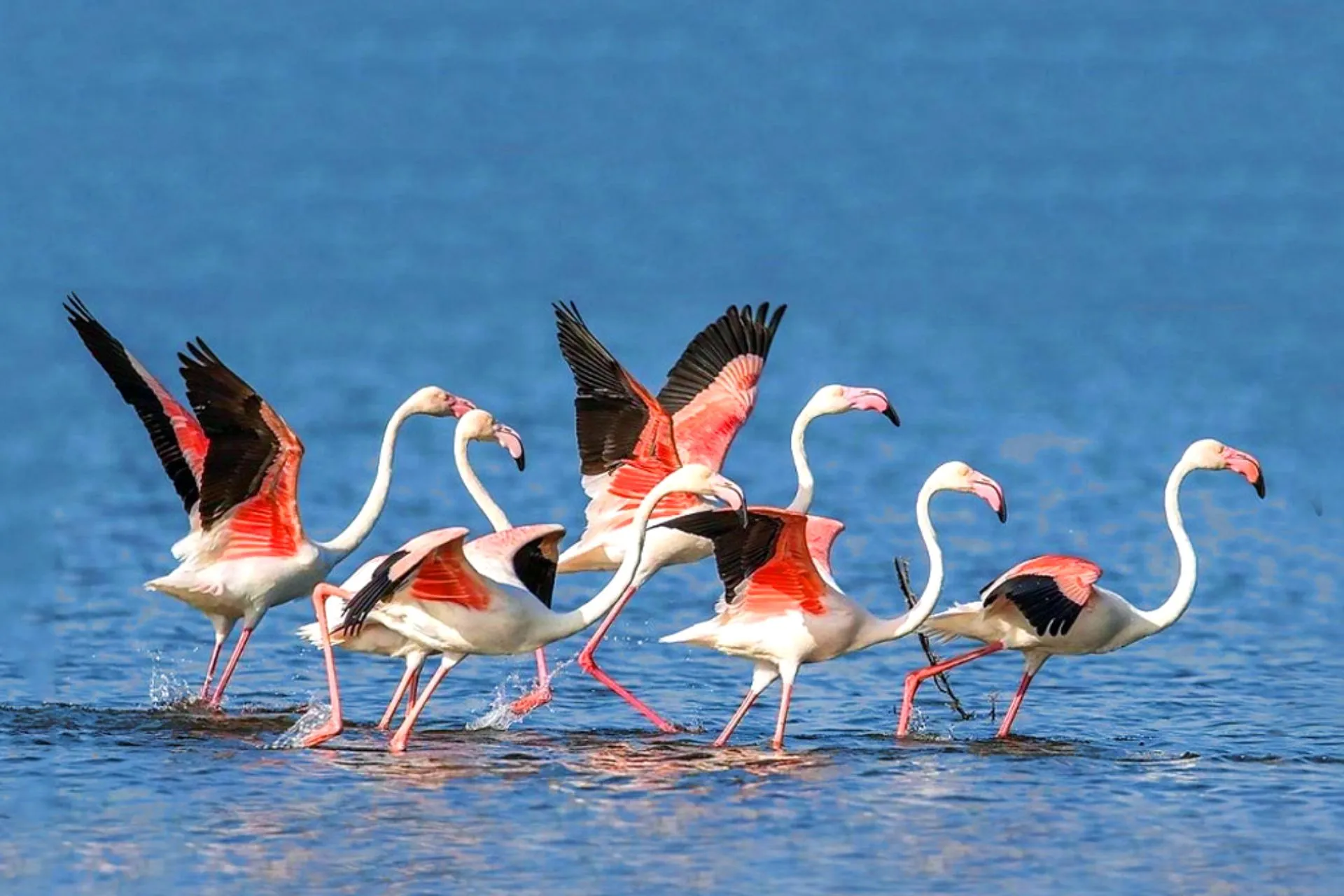
- Winter Season (October to March): This period delivers daytime temperatures ranging between 15°C and 25°C, making it the most comfortable season for outdoor excursions. Thousands of migratory birds, including flamingos, bar-headed geese, and pelicans, arrive at the reservoir.
- Summer Season (April to June): Temperatures often exceed 40°C during peak afternoon hours. However, rising heat forces wildlife to gather around remaining water holes, resulting in exceptionally high sighting success rates along the drying lake margins.
- Monsoon Season (July to September): Rainy weather transforms the arid landscape into vibrant green fields. While rock surfaces become slippery, monsoon light produces striking conditions for landscape and nature photography.
Key Cultural and Environmental Highlights
Beyond feline sightings, the region features rich cultural heritage and wetland biodiversity.
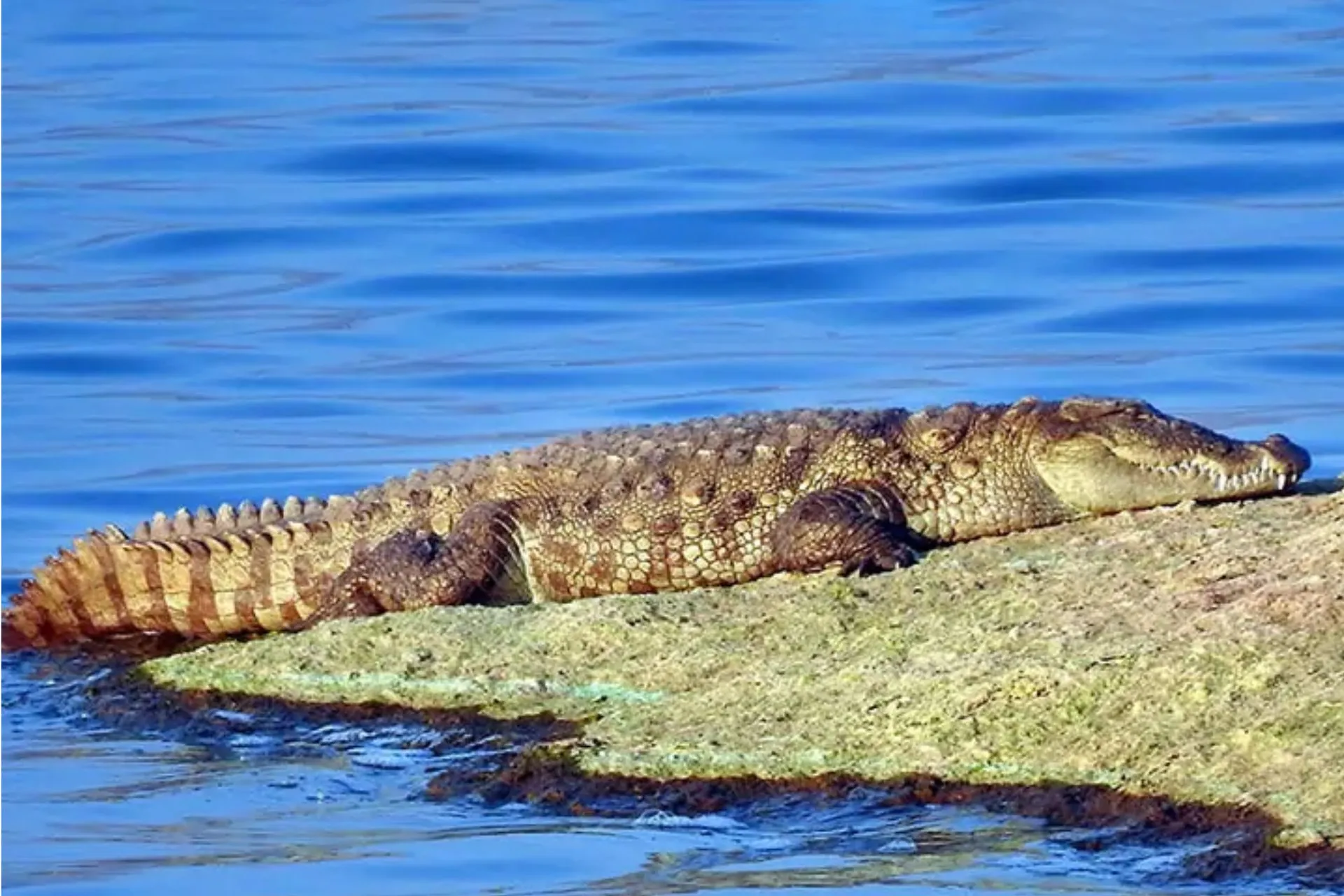
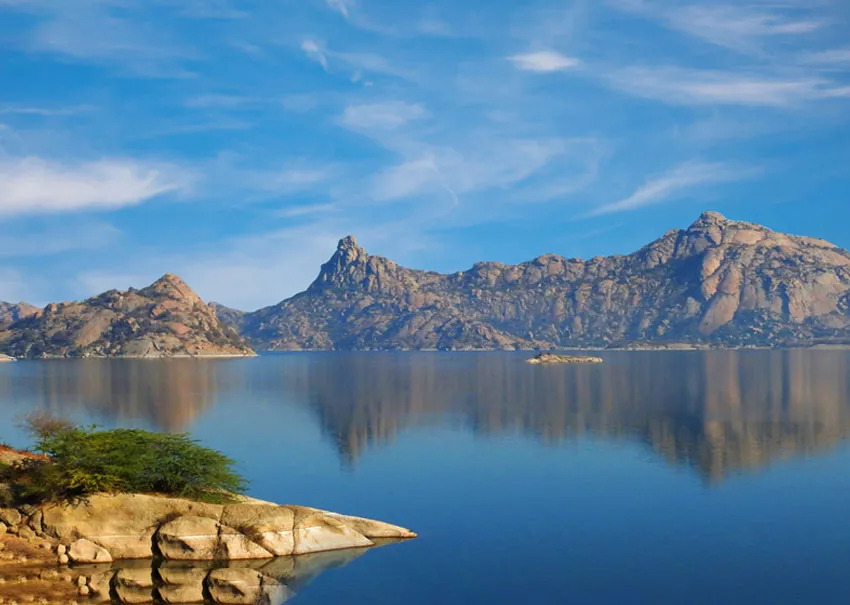
- Jawai Dam Reservoir: Constructed across the Jawai River, this massive structure is the largest dam in western Rajasthan, serving as a critical refuge for massive marsh crocodiles.
- Rabari Village Walks: Guided cultural walks offer authentic glimpses into the lives of the Rabari tribe, known for their distinctive red turbans, pastoral traditions, and reverence for wild big cats.
- Dev Giri Temple: Built into a cleft on a granite hill, this shrine is frequently visited by both local worshippers and free-roaming leopards.
- Avian Sanctuary: Home to over 100 species of resident and migratory birds, making the wetlands a key destination for professional birdwatchers.






















Sign in to leave a comment.