
Understanding Cataracts: Causes, Symptoms, and Treatment Options
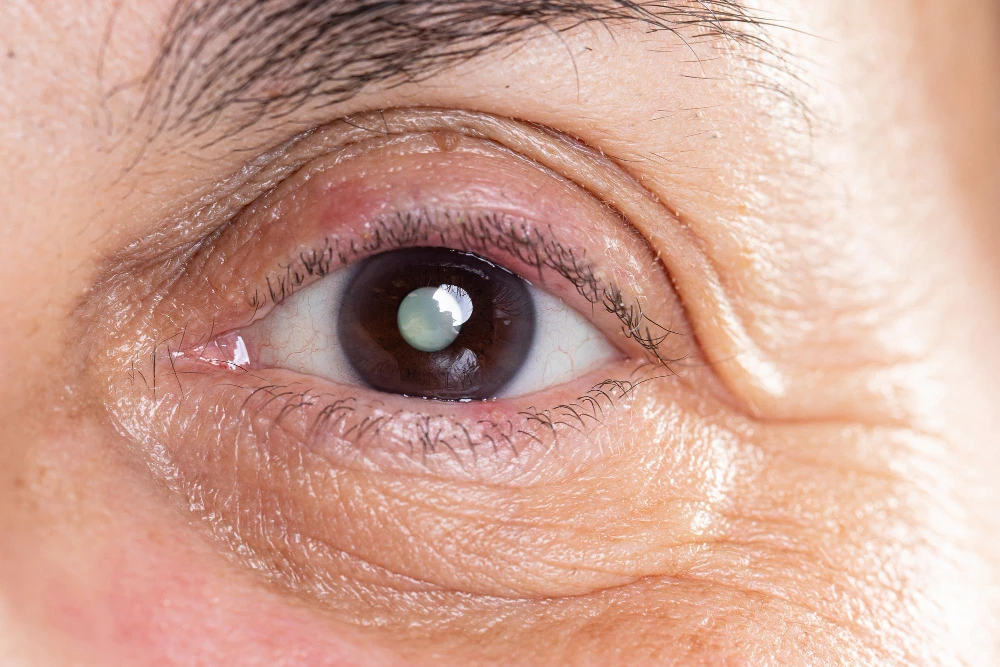
Cataracts are one of the most common eye conditions that affect millions of people worldwide, particularly as they age. Simply put, a cataract occurs when the natural lens of the eye becomes cloudy, leading to blurred or dim vision that cannot be corrected with glasses or contact lenses alone. This clouding gets worse over time because it blocks light from passing clearly through the lens onto the retina, which is essential for sharp vision.
What Causes Cataracts?
The most frequent cause of cataracts is aging. As we grow older, changes in the proteins of the eye’s lens cause it to lose clarity gradually. However, cataracts are not limited to older adults. They can also develop due to prolonged exposure to ultraviolet sunlight, diabetes, trauma to the eye, long‑term use of steroid medications, or even past eye surgery. In rare cases, children may be born with cataracts due to genetic factors or conditions present at birth.
Recognizing the Symptoms
Cataracts develop slowly over several years, and early symptoms can be subtle. People often report that their vision seems foggy or blurry, almost as if looking through a misty window. Other common signs include sensitivity to bright light, halos around lights at night, difficulty reading in low light, frequent changes in eyeglass prescriptions, and colors appearing faded or yellowed. These changes may make everyday activities like driving or reading more challenging.
Diagnosis and When to Seek Help
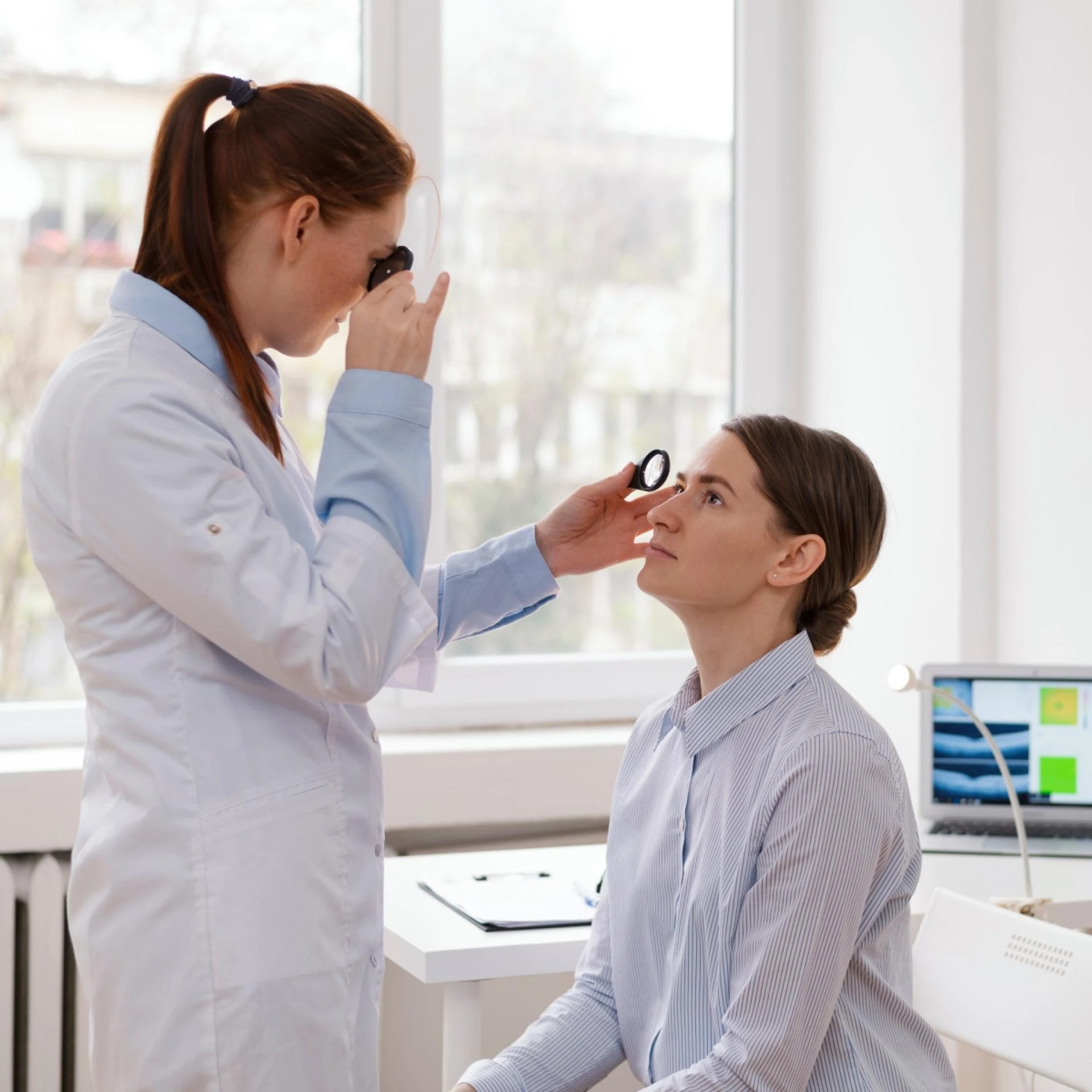
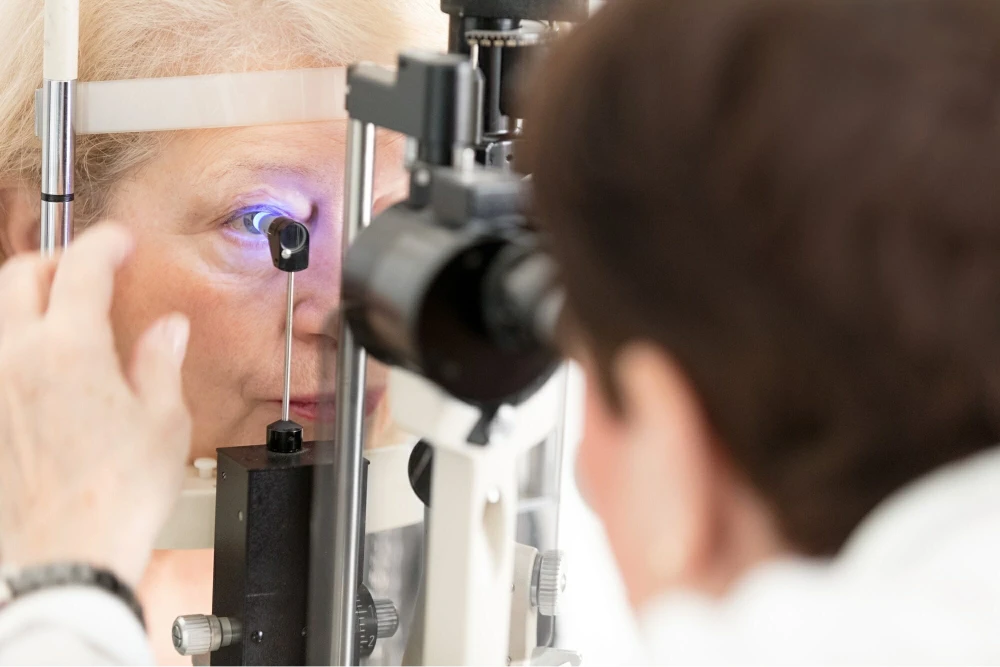
If you notice any of these symptoms affecting your daily life, it is important to schedule a comprehensive eye exam with an eye care professional. During a check‑up, your doctor will review your visual clarity and may perform tests such as visual acuity and specialized lens examinations to assess the presence and severity of cataracts. Early detection helps plan the right course of action and prevent further vision deterioration.
Treatment: What Are Your Options?
For early cataracts, stronger glasses or better lighting might improve vision temporarily. However, the only effective long‑term solution is cataract surgery. During this procedure, the cloudy natural lens is removed and replaced with a clear artificial intraocular lens. Modern cataract surgery is usually safe, outpatient‑based, and often results in significantly improved vision within a few days to weeks of recovery.
Understanding cataracts empowers you to take control of your eye health. If visual changes are affecting your quality of life, it may be time to speak with a specialist. When exploring advanced treatment options in the field, consider the comprehensive care available at Nur Eye Research and Surgery Institute (NERSI) for personalized guidance and support.


























Sign in to leave a comment.