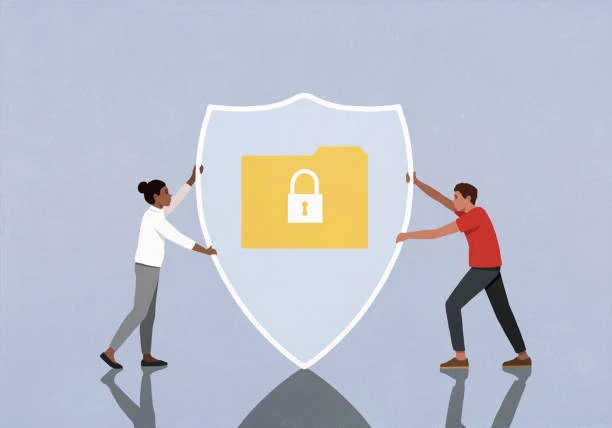
In today's digital landscape, enterprise cybersecurity has become a cornerstone for organizations aiming to protect their sensitive data, maintain customer trust, and ensure uninterrupted operations. As cyber threats evolve in complexity and frequency, implementing robust cybersecurity measures is imperative for enterprises of all sizes.
Understanding Enterprise Cybersecurity
Enterprise cybersecurity encompasses a comprehensive set of practices, technologies, and policies designed to safeguard an organization's information systems from cyber threats. This includes protecting networks, devices, programs, and data from unauthorized access, attacks, or damage. Effective cybersecurity strategies not only defend against external threats but also address internal vulnerabilities, ensuring a holistic security posture.
The Importance of Enterprise Cybersecurity
The significance of enterprise cybersecurity cannot be overstated. A single breach can lead to substantial financial losses, legal ramifications, and reputational damage. According to recent reports, the average cost of a data breach has reached millions of dollars, underscoring the critical need for proactive security measures. Moreover, with regulations like GDPR and HIPAA imposing stringent data protection requirements, non-compliance can result in severe penalties.Check Point Software
Current Cybersecurity Threats
Enterprises today face a myriad of cyber threats, including:
- Phishing Attacks: Deceptive emails or messages designed to trick employees into revealing sensitive information or installing malicious software.
- Ransomware: Malware that encrypts an organization's data, demanding payment for its release.
- Insider Threats: Risks posed by employees or contractors who may intentionally or unintentionally compromise security.
- Advanced Persistent Threats (APTs): Prolonged and targeted attacks aimed at stealing sensitive information.
Staying informed about these threats is the first step in developing effective defense mechanisms.
Enterprise Cybersecurity Solutions
Implementing robust enterprise cybersecurity solutions involves a multi-faceted approach:
- Risk Assessment and Management: Regularly evaluate and prioritize potential vulnerabilities within the organization's infrastructure.
- Network Security: Deploy firewalls, intrusion detection systems, and encryption protocols to protect data in transit.
- Endpoint Protection: Utilize antivirus software and endpoint detection and response (EDR) solutions to secure devices connected to the network.
- Access Control: Implement strict user authentication and authorization measures to ensure only authorized personnel can access sensitive information.
- Employee Training: Conduct regular cybersecurity awareness programs to educate staff about best practices and potential threats.
- Incident Response Planning: Develop and regularly update a response plan to efficiently address and mitigate the impact of security incidents.
vCloud Tech: Your Partner in Enterprise Cybersecurity
When it comes to implementing effective cybersecurity solutions, partnering with experienced providers like vCloud Tech can make a significant difference. With expertise in native cloud solutions, digital enterprise, cybersecurity, DevOps, and hybrid IT, vCloud Tech offers tailored services to enhance your organization's security posture. Their vendor-agnostic approach ensures that you receive solutions best suited to your specific needs, helping to minimize complexity and manage costs effectively.
Best Practices for Enhancing Enterprise Cybersecurity
To bolster your organization's cybersecurity framework, consider the following best practices:
- Regular Software Updates: Ensure that all systems and applications are up-to-date with the latest security patches.
- Data Encryption: Encrypt sensitive data both in transit and at rest to protect it from unauthorized access.
- Multi-Factor Authentication (MFA): Implement MFA to add an extra layer of security beyond just passwords.
- Continuous Monitoring: Utilize security information and event management (SIEM) systems to monitor network activity for signs of malicious behavior.nhregister.com
- Third-Party Risk Management: Assess and manage the security practices of vendors and partners who have access to your systems.
FAQs
Q1: What is the difference between enterprise cybersecurity and regular cybersecurity?
A1: While both aim to protect information systems, enterprise cybersecurity focuses on the unique challenges faced by large organizations, such as complex IT infrastructures, regulatory compliance, and the need for scalable solutions.
Q2: How often should an organization conduct cybersecurity training for employees?
A2: It's advisable to conduct cybersecurity training at least annually. However, with the rapidly evolving threat landscape, more frequent sessions or ongoing awareness programs can be beneficial.
Q3: Can small businesses benefit from enterprise cybersecurity solutions?
A3: Absolutely. While the scale may differ, small businesses also face significant cyber threats and can benefit from implementing robust cybersecurity measures tailored to their size and resources.
Q4: What role does vCloud Tech play in enhancing enterprise cybersecurity?
A4: vCloud Tech offers a range of cybersecurity services, including risk assessments, solution implementation, and ongoing support, tailored to meet the specific needs of enterprises.
Q5: How can an organization measure the effectiveness of its cybersecurity strategy?
A5: Effectiveness can be measured through regular audits, monitoring key performance indicators (KPIs) like the number of detected threats, response times, and conducting simulated attacks to test defenses.
In an era where cyber threats are a constant concern, prioritizing enterprise cybersecurity is not just a necessity but a strategic imperative. By understanding the current threat landscape, implementing comprehensive security solutions, and partnering with experienced providers like vCloud Tech, organizations can safeguard their assets, maintain customer trust, and ensure long-term success.























Sign in to leave a comment.