

Knee pain can significantly affect mobility, independence, and overall quality of life. For patients suffering from severe arthritis, joint degeneration, or traumatic knee injuries, knee replacement surgery in India has emerged as one of the most effective and affordable treatment options available globally. With internationally accredited hospitals, experienced orthopedic surgeons, advanced surgical technology, and comparatively lower treatment costs, India has become a preferred destination for patients seeking high-quality orthopedic care.
This comprehensive guide explains everything about the cost of knee replacement in India, factors influencing pricing, surgical procedures, recovery, benefits, and why India continues to be a trusted choice for both domestic and international patients.
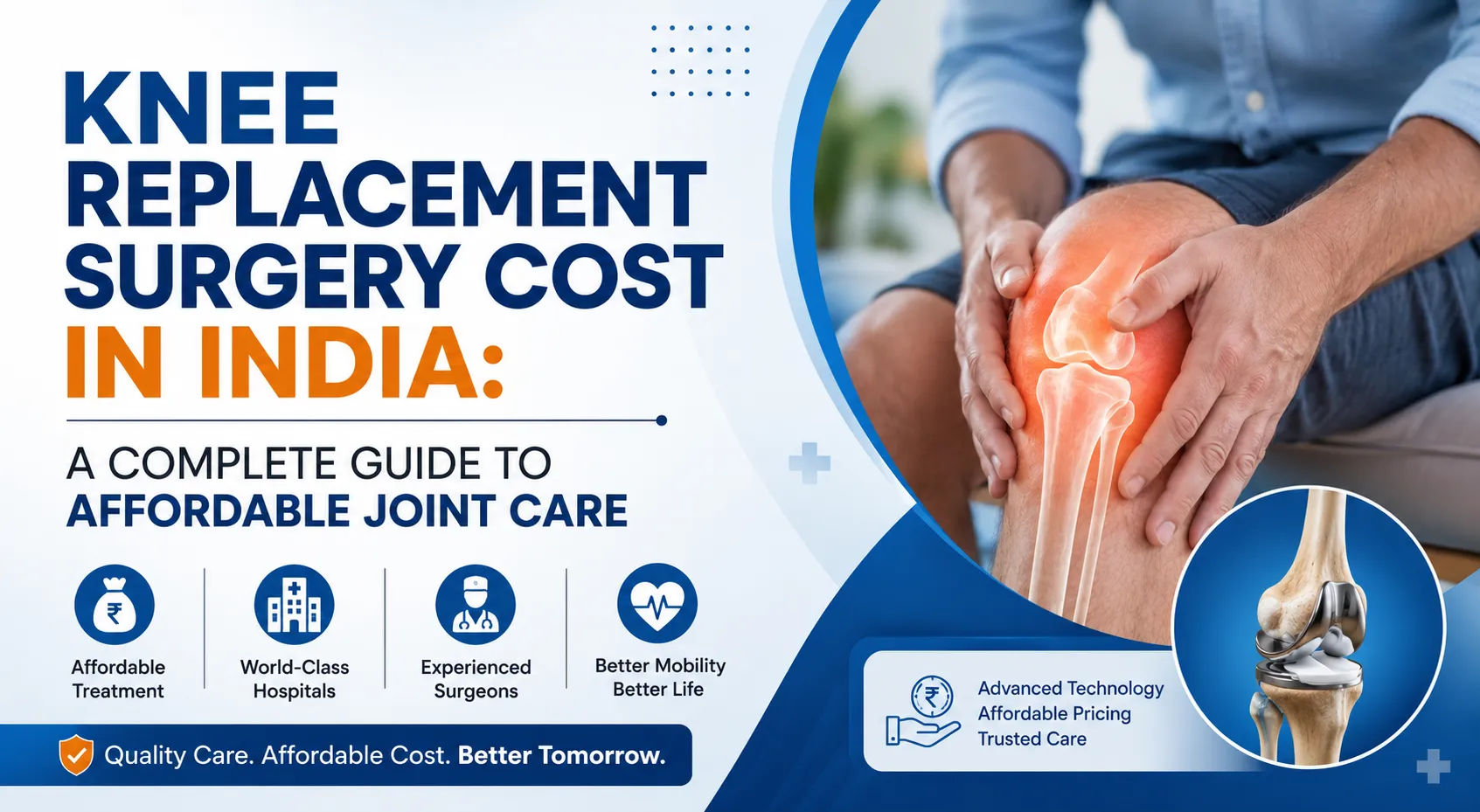
What is Knee Replacement Surgery?
Knee replacement surgery, medically known as knee arthroplasty, is a surgical procedure that replaces damaged or worn-out knee joint surfaces with artificial implants. The surgery is recommended when conservative treatments such as medication, physiotherapy, injections, and lifestyle modifications fail to relieve chronic pain and restore mobility.
The artificial joint, called a prosthesis, is designed to replicate the natural movement of the knee while eliminating pain caused by damaged cartilage and bone.
The procedure has a high success rate, allowing patients to resume daily activities with significantly improved function and reduced discomfort.
Who Needs Knee Replacement Surgery?
Patients experiencing the following conditions are ideal candidates for knee replacement surgery in India:
- Advanced osteoarthritis
- Rheumatoid arthritis
- Post-traumatic arthritis
- Severe cartilage degeneration
- Knee deformities
- Chronic knee pain affecting daily life
- Limited range of motion
- Difficulty walking or climbing stairs
- Persistent swelling and stiffness
- Failure of non-surgical treatment methods
An orthopedic specialist evaluates the patient's medical history, imaging reports, and physical condition before recommending surgery.
Types of Knee Replacement Surgery in India
Total Knee Replacement (TKR)
The damaged cartilage and bone from both sides of the knee joint are replaced with prosthetic components. This is the most commonly performed procedure.
Benefits
- Long-lasting pain relief
- Improved joint function
- Enhanced mobility
- Better quality of life
Partial Knee Replacement (PKR)
Only the damaged portion of the knee is replaced while preserving healthy bone and ligaments.
Advantages
- Smaller incision
- Faster recovery
- Less blood loss
- More natural knee movement
Bilateral Knee Replacement
Both knees are replaced during the same surgical session or in staged procedures.
Suitable for patients suffering from severe arthritis in both knees.
Revision Knee Replacement
This procedure replaces a previously implanted artificial knee that has worn out, loosened, or become infected.
Revision surgeries are generally more complex than primary knee replacement procedures.
Cost of Knee Replacement in India
One of the biggest reasons patients choose India is the affordability of treatment without compromising quality.
The cost of knee replacement in India depends on multiple factors including hospital location, surgeon experience, implant selection, room category, diagnostic tests, and post-operative rehabilitation.
Average Cost Range
| Procedure | Estimated Cost (₹) |
|---|---|
| Total Knee Replacement | ₹1,80,000 – ₹4,50,000 |
| Partial Knee Replacement | ₹1,50,000 – ₹3,50,000 |
| Bilateral Knee Replacement | ₹3,20,000 – ₹7,00,000 |
| Revision Knee Replacement | ₹3,50,000 – ₹8,00,000 |
These estimates generally include:
- Surgeon fees
- Operation theatre charges
- Hospital stay
- Nursing care
- Basic investigations
- Standard implants
- Medications during hospitalization
Premium imported implants or robotic-assisted surgery may increase the overall cost.
Factors Affecting Knee Replacement Surgery Cost in India
Several variables influence the final treatment expense.
Hospital Reputation
Multi-specialty hospitals with advanced orthopedic departments may charge higher fees due to superior infrastructure and specialized services.
Experience of the Orthopedic Surgeon
Highly experienced orthopedic surgeons specializing in joint replacement often have higher consultation and surgical charges.
Type of Implant
The implant selected significantly affects the total treatment cost.
Common implant categories include:
- Standard implants
- High-flex implants
- Gender-specific implants
- Ceramic-coated implants
- Customized implants
Premium imported implants usually cost more than standard models.
Surgical Technique
Advanced procedures like robotic-assisted knee replacement require specialized equipment and additional planning, increasing the treatment cost.
City of Treatment
Major metropolitan cities generally have higher treatment costs.
Approximate pricing by location:
- Delhi
- Mumbai
- Chennai
- Bengaluru
- Hyderabad
- Pune
- Ahmedabad
Despite slight regional differences, treatment remains considerably more affordable compared to many developed countries.
Hospital Room Category
Patients can choose between:
- General ward
- Twin-sharing room
- Private room
- Deluxe suite
Accommodation preference directly influences hospitalization expenses.
Why Choose Knee Replacement Surgery in India?
India has become one of the leading destinations for orthopedic treatment because it combines affordability with international-quality healthcare.
Highly Skilled Orthopedic Surgeons
Indian orthopedic surgeons receive advanced training and possess extensive experience in performing thousands of successful knee replacement procedures annually.
World-Class Hospitals
Many hospitals feature:
- Modern operation theatres
- Digital imaging
- Robotic surgery systems
- International infection control standards
- Comprehensive rehabilitation centers
Affordable Healthcare
Compared to many Western countries, patients can save a substantial amount while receiving equivalent standards of medical care.
Advanced Surgical Technology
Many hospitals utilize:
- Computer navigation
- Robotic-assisted surgery
- Minimally invasive techniques
- Enhanced recovery protocols
These innovations improve surgical precision and patient outcomes.
Minimal Waiting Time
Unlike several countries where patients wait months for surgery, India often offers shorter waiting periods, enabling faster treatment.
How to Prepare for Knee Replacement Surgery
Proper preparation improves surgical success and recovery.
Patients should:
- Undergo complete medical evaluation
- Maintain healthy blood sugar levels
- Stop smoking
- Reduce alcohol consumption
- Perform strengthening exercises
- Arrange post-operative assistance
- Discuss medications with the surgeon
- Follow fasting instructions before surgery
Preparation also includes home modifications to ensure a safer recovery environment.
What Happens During Knee Replacement Surgery?
The surgery generally lasts between one and three hours.
The procedure includes:
- Administration of anesthesia
- Surgical incision over the knee
- Removal of damaged cartilage and bone
- Placement of artificial implants
- Alignment testing
- Wound closure
- Recovery room monitoring
Patients are encouraged to begin gentle movement soon after surgery under medical supervision.
Recovery After Knee Replacement Surgery
Recovery is a gradual process requiring commitment to rehabilitation.
Hospital Stay
Most patients remain hospitalized for three to five days depending on their condition.
Walking After Surgery
Many patients begin walking with assistance within 24 hours after surgery.
Walking aids such as walkers or crutches provide temporary support.
Physiotherapy
Rehabilitation is essential for restoring:
- Flexibility
- Muscle strength
- Knee stability
- Walking ability
Consistent physiotherapy significantly improves long-term outcomes.
Return to Daily Activities
Approximate recovery timeline:
- Walking independently: 4–6 weeks
- Driving: 6–8 weeks
- Office work: 6–8 weeks
- Full recovery: 3–6 months
Recovery varies depending on age, overall health, and adherence to rehabilitation.
Benefits of Knee Replacement Surgery
Patients commonly experience substantial improvements following surgery.
Major benefits include:
- Significant pain reduction
- Better joint function
- Improved mobility
- Increased independence
- Enhanced sleep quality
- Greater participation in physical activities
- Improved overall quality of life
- Long-lasting implant performance
Modern implants can often function effectively for 15–25 years with proper care.
Possible Risks and Complications
Although knee replacement surgery is considered safe, potential risks include:
- Infection
- Blood clots
- Implant loosening
- Joint stiffness
- Nerve injury
- Bleeding
- Persistent pain
- Implant wear over time
Choosing an experienced orthopedic surgeon and following post-operative instructions help minimize these risks.
Life After Knee Replacement Surgery
Patients are encouraged to maintain an active yet joint-friendly lifestyle.
Recommended activities include:
- Walking
- Swimming
- Cycling
- Yoga
- Light stretching
- Low-impact exercises
Activities involving excessive impact, jumping, or heavy contact sports should generally be avoided to maximize implant longevity.
Maintaining a healthy body weight also reduces stress on the artificial joint and contributes to long-term success.
Why Medical Tourists Prefer India
India has become a preferred destination for international patients seeking orthopedic treatment because of its combination of affordability, expertise, and comprehensive care.
International patients benefit from:
- Competitive treatment costs
- Experienced orthopedic specialists
- Advanced medical infrastructure
- English-speaking healthcare professionals
- Personalized treatment plans
- Comprehensive rehabilitation services
- Medical visa assistance at many hospitals
- High standards of patient safety
These advantages make knee replacement surgery in India an attractive option for individuals seeking quality care with significant cost savings.
Frequently Asked Questions
How long does a knee replacement implant last?
Modern implants typically last 15 to 25 years, depending on the patient's activity level, weight, implant quality, and overall joint care.
Is knee replacement surgery painful?
Patients may experience temporary discomfort after surgery, but modern pain management techniques and rehabilitation programs help control pain effectively. Most patients report significant long-term relief from chronic knee pain.
Can both knees be replaced simultaneously?
Yes. Bilateral knee replacement can be performed in selected patients based on age, overall health, and the surgeon's assessment.
When can normal walking resume?
Most patients begin walking with assistance within one day after surgery and regain independent mobility within several weeks through structured physiotherapy.
Is robotic knee replacement better?
Robotic-assisted surgery can improve implant positioning and surgical precision in suitable cases, although the best approach depends on individual patient needs and the surgeon's expertise.
Conclusion
Choosing knee replacement surgery in India offers an exceptional balance of affordability, advanced medical technology, experienced orthopedic specialists, and excellent clinical outcomes. Whether undergoing total, partial, bilateral, or revision knee replacement, patients have access to internationally recognized hospitals, high-quality implants, and comprehensive rehabilitation programs at a fraction of the cost charged in many other countries.
Understanding the cost of knee replacement in India, the factors influencing pricing, the available surgical options, and the recovery process enables patients to make informed decisions with confidence. With proper evaluation, expert surgical care, and dedicated rehabilitation, knee replacement surgery can restore mobility, reduce chronic pain, and significantly improve long-term quality of life.




























Sign in to leave a comment.