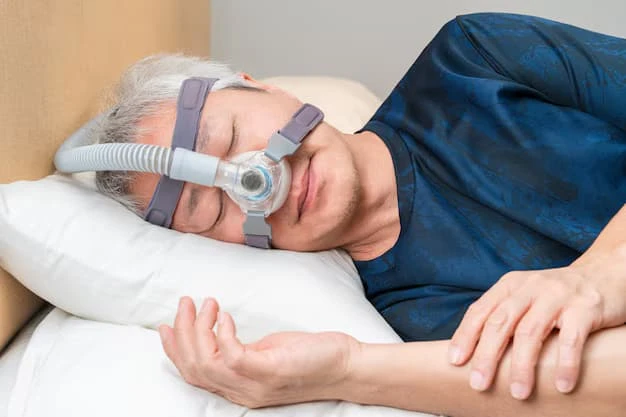

Sleep apnea is a significant public health concern that affects millions of individuals worldwide. Characterized by repeated interruptions in breathing during sleep, this condition can lead to a range of health issues, including cardiovascular problems, daytime fatigue, and cognitive impairment. As awareness about the implications of sleep apnea has grown, so too has the demand for effective treatment options. In this article, we will delve into various sleep apnea treatment methods, exploring the latest advancements and expert recommendations.
Understanding Sleep Apnea
Before diving into treatment options, it's essential to comprehend what sleep apnea entails. This disorder often manifests in two primary forms: obstructive sleep apnea (OSA) and central sleep apnea (CSA). Obstructive sleep apnea occurs when the throat muscles intermittently relax and block the airway during sleep. In contrast, central sleep apnea is a result of the brain's failure to send appropriate signals to the muscles responsible for controlling breathing.
Individuals suffering from sleep apnea often experience loud snoring, gasping for air during sleep, and excessive daytime sleepiness. These symptoms may seem trivial, but they can significantly impact an individual’s quality of life. Studies indicate that untreated sleep apnea can lead to severe complications, such as hypertension, stroke, and diabetes. Recognizing the seriousness of this condition is the first step toward seeking appropriate treatment.
The Importance of Diagnosis
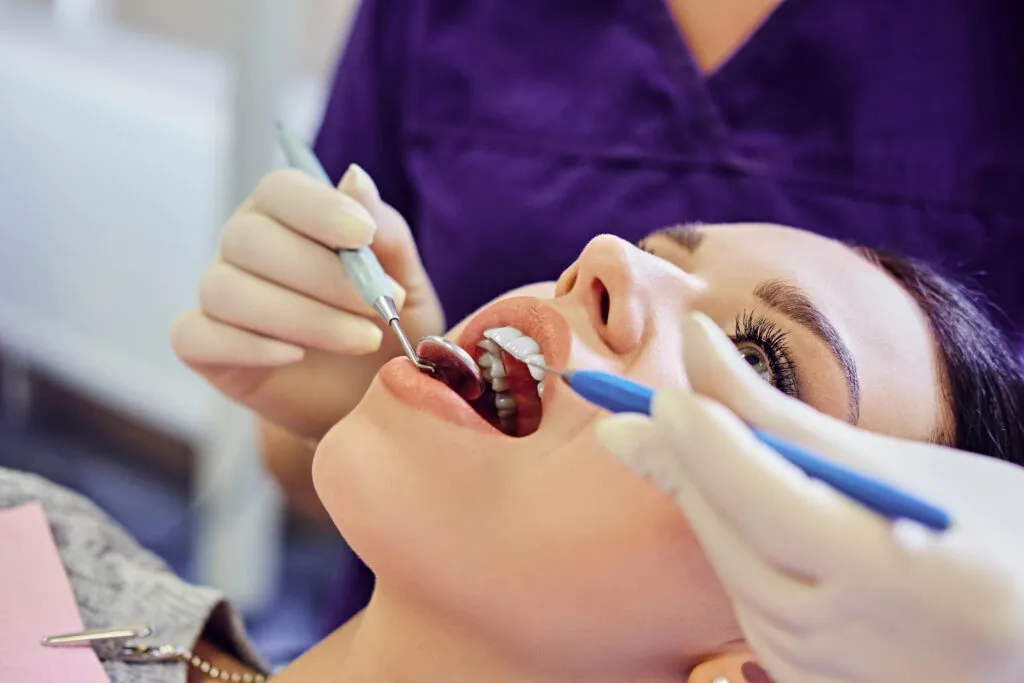
A proper diagnosis is crucial for determining the most effective sleep apnea treatment. Healthcare providers typically begin with a thorough medical history and a physical examination, followed by sleep studies, either conducted in a sleep lab or at home. These studies assess various factors, including oxygen levels, heart rate, and breathing patterns during sleep.
Using data gathered from these assessments, healthcare providers can classify the severity of sleep apnea, guiding the treatment plan tailored to the individual’s needs. For instance, mild cases may be managed effectively with lifestyle changes, while more severe instances could require advanced interventions such as continuous positive airway pressure (CPAP) therapy or surgical options.
Lifestyle Modifications as Treatment
One of the first lines of defense in managing sleep apnea involves implementing lifestyle modifications. These changes may lead to significant improvements in symptoms and overall sleep quality. Weight loss is often a primary recommendation, as excess weight, particularly around the neck, can contribute to airway obstruction. Studies have shown that even a modest reduction in body weight can alleviate symptoms for many individuals suffering from OSA.
In addition to weight management, other lifestyle changes can enhance sleep quality. Avoiding alcohol and sedatives is crucial, as these substances can relax the throat muscles and exacerbate airway blockage. Establishing a consistent sleep schedule, creating a comfortable sleep environment, and practicing good sleep hygiene are also essential steps toward improving sleep quality. For many, these adjustments can make a world of difference in both sleep quality and overall well-being.
Continuous Positive Airway Pressure (CPAP) Therapy
For many individuals with moderate to severe sleep apnea, CPAP therapy has emerged as the gold standard of treatment. This device works by delivering a continuous stream of air through a mask worn during sleep, keeping the airway open and preventing interruptions in breathing.
The effectiveness of CPAP therapy has been well-documented in numerous studies, showing significant improvements in sleep quality and reductions in daytime sleepiness. However, adherence to CPAP therapy can sometimes be challenging. Many users experience discomfort due to the mask or the noise of the machine. Healthcare providers often work closely with patients to ensure proper mask fit and machine settings, encouraging ongoing use to reap the full benefits of CPAP therapy.
Oral Appliance Therapy
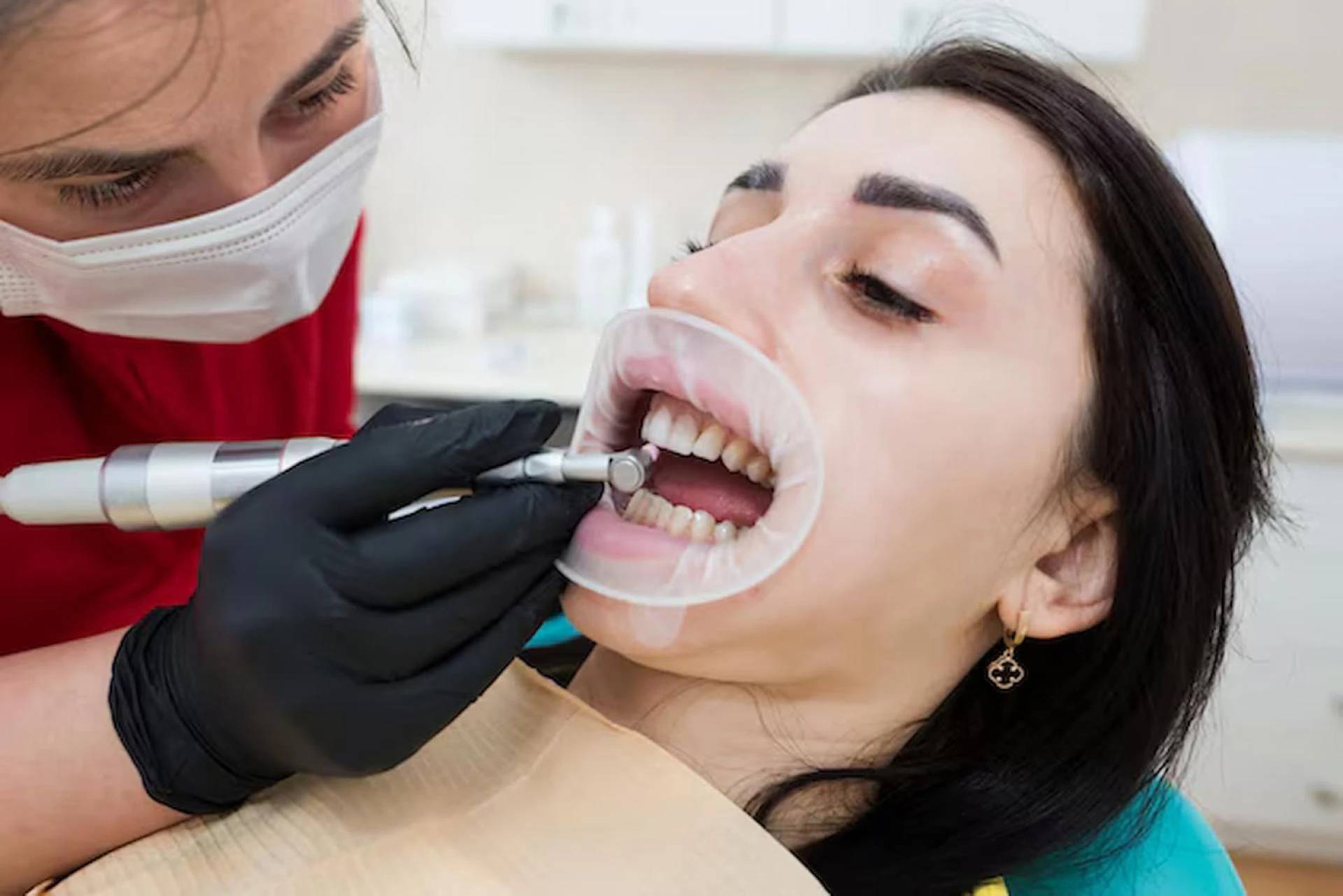
Another effective sleep apnea treatment option is oral appliance therapy, which has gained popularity due to its non-invasive nature. This treatment involves the use of custom-fitted dental appliances that reposition the jaw and tongue to keep the airway open during sleep. Oral appliances are particularly beneficial for individuals with mild to moderate obstructive sleep apnea who prefer an alternative to CPAP.
Research indicates that oral appliance therapy can significantly reduce the severity of sleep apnea symptoms and improve overall sleep quality. The success of this treatment largely depends on the expertise of the dental professional fitting the appliance. As such, individuals seeking this option should consult with qualified practitioners who specialize in sleep medicine and oral appliance therapy.
Surgical Options
In some cases, surgical intervention may be necessary to address sleep apnea, especially when anatomical abnormalities contribute to airway obstruction. Surgical options can range from uvulopalatopharyngoplasty (UPPP), which removes excess tissue from the throat, to more complex procedures such as maxillomandibular advancement (MMA), which repositions the jaw to enlarge the airway.
While surgery can offer a permanent solution for some individuals, it is typically considered a last resort after exploring non-invasive options. The decision to pursue surgery should involve a thorough discussion with healthcare providers, weighing the potential risks and benefits.
Emerging Treatments and Innovations
As research into sleep apnea continues to evolve, new treatment options are emerging. One such innovation is adaptive servo-ventilation (ASV), a mode of positive airway pressure therapy that adjusts airflow based on detected breathing patterns. This advanced technology has shown promise for treating individuals with complex sleep apnea, a condition that combines obstructive and central sleep apnea.
Another area of interest is the use of neuromuscular stimulation devices, which aim to stimulate the muscles of the airway to prevent collapse during sleep. While still in the experimental stages, these devices offer hope for those who struggle with traditional treatment methods.
The Role of Support and Education
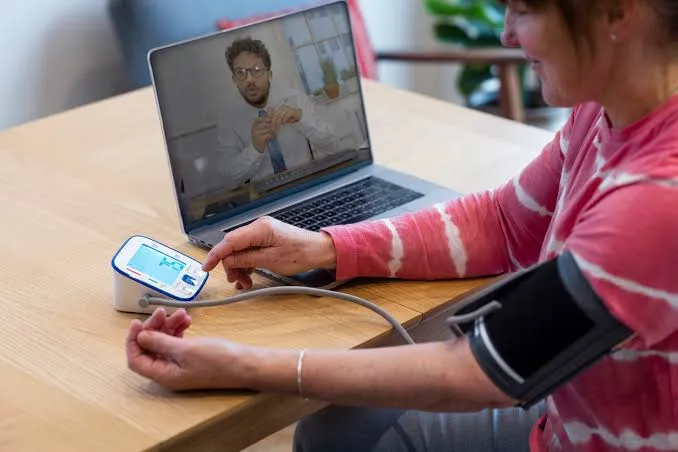
Navigating sleep apnea treatment can be daunting, but support and education play a critical role in the process. Healthcare providers, including sleep specialists, dentists, and primary care physicians, can guide patients through their treatment journey. Additionally, support groups and educational resources can provide valuable information and encouragement, helping individuals feel less isolated in their struggles.
Patients are encouraged to take an active role in their treatment by staying informed about the latest developments in sleep apnea management and openly communicating with their healthcare teams. This proactive approach can lead to improved outcomes and a better understanding of one's condition.
Conclusion
In summary, sleep apnea treatment encompasses a diverse range of options, from lifestyle modifications and CPAP therapy to oral appliances and surgical interventions. Each individual’s experience with sleep apnea is unique, requiring a tailored approach to treatment. By understanding the various options available, individuals can make informed decisions and work closely with healthcare providers to achieve better sleep quality.
For those seeking comprehensive support, Tiralosi Dental & Med Spa offers expert solutions and personalized care tailored to meet the needs of individuals struggling with sleep apnea. By prioritizing patient education and utilizing advanced treatment modalities, Tiralosi Dental & Med Spa is dedicated to helping individuals achieve restful nights and improved overall health.

























Sign in to leave a comment.