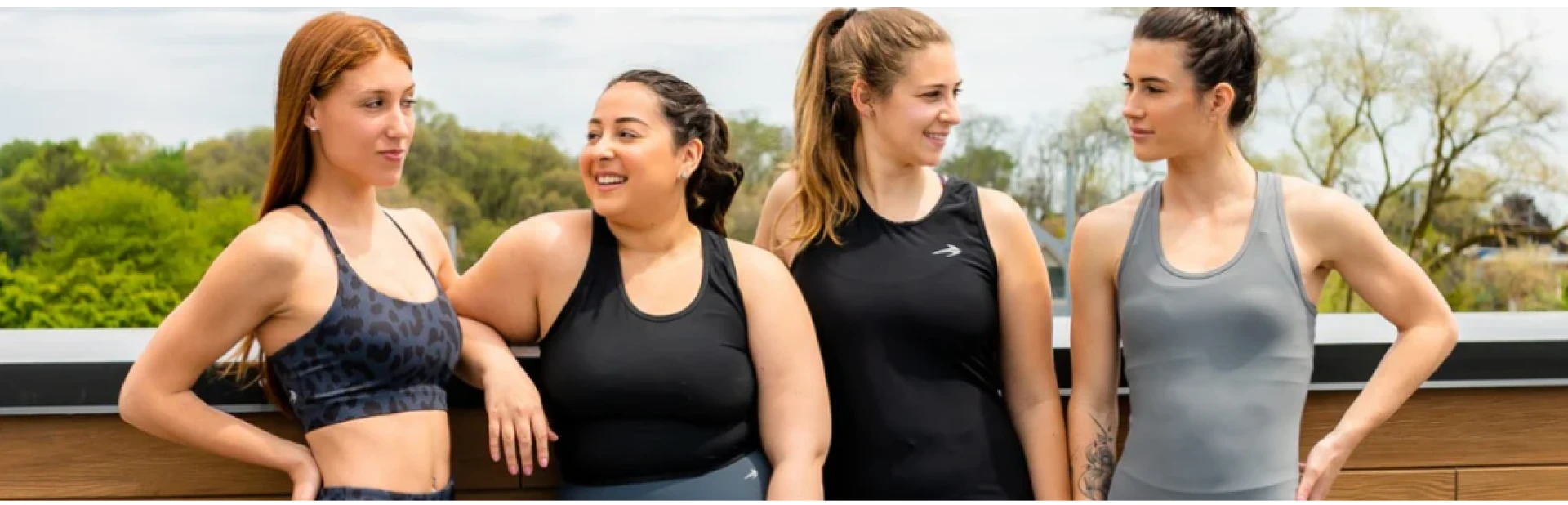
In today’s fitness-focused world, compression clothing has become a staple for athletes, gym enthusiasts, and even casual runners. From leggings and tops to socks and sleeves, these specially designed garments are crafted to enhance performance, promote recovery, and provide lasting comfort during intense physical activities. But what exactly makes compression clothing stand out, and why is it gaining popularity among all levels of athletes?
Let’s explore the science behind compression gear and why investing in quality compression clothing is worth every penny.
What Is Compression Clothing?
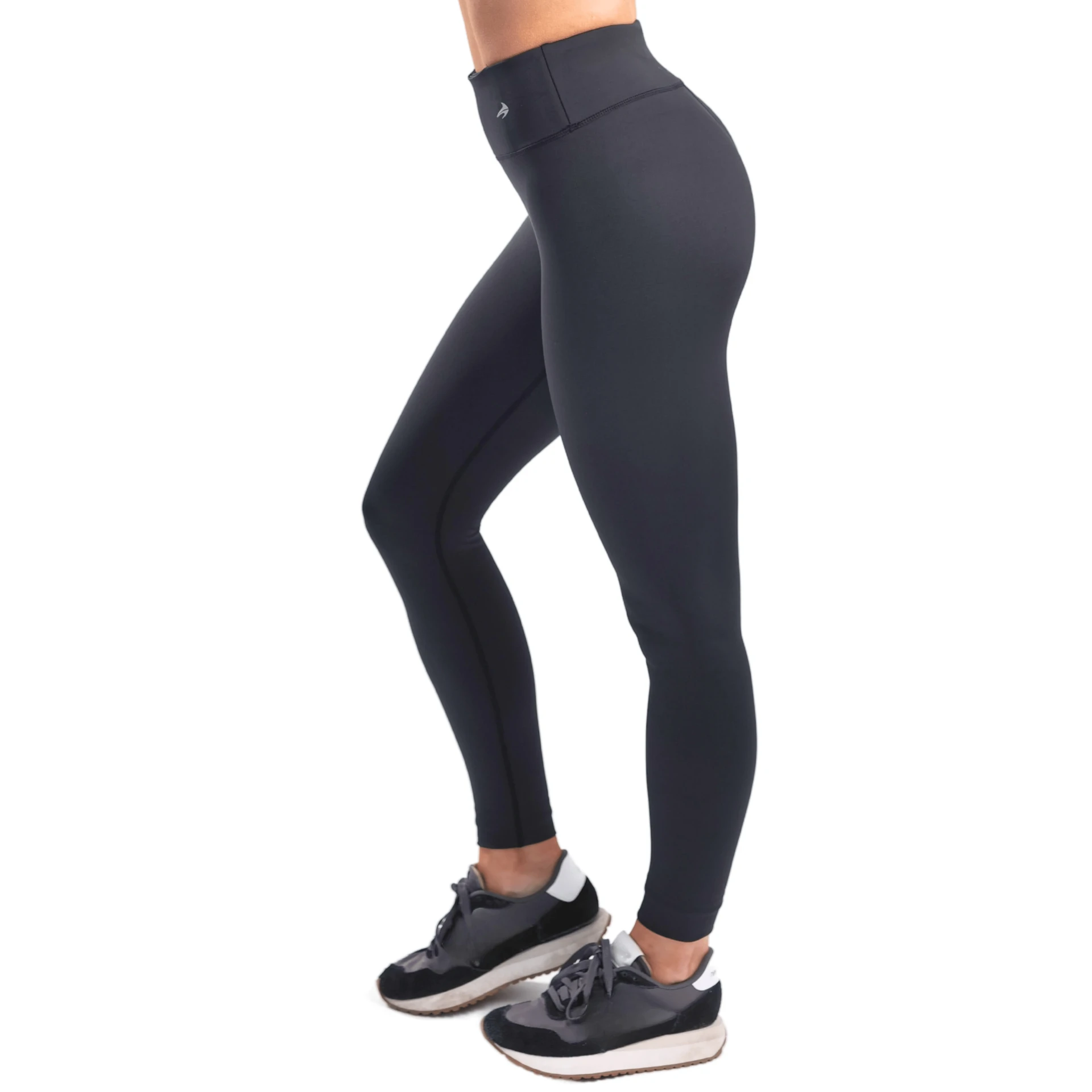
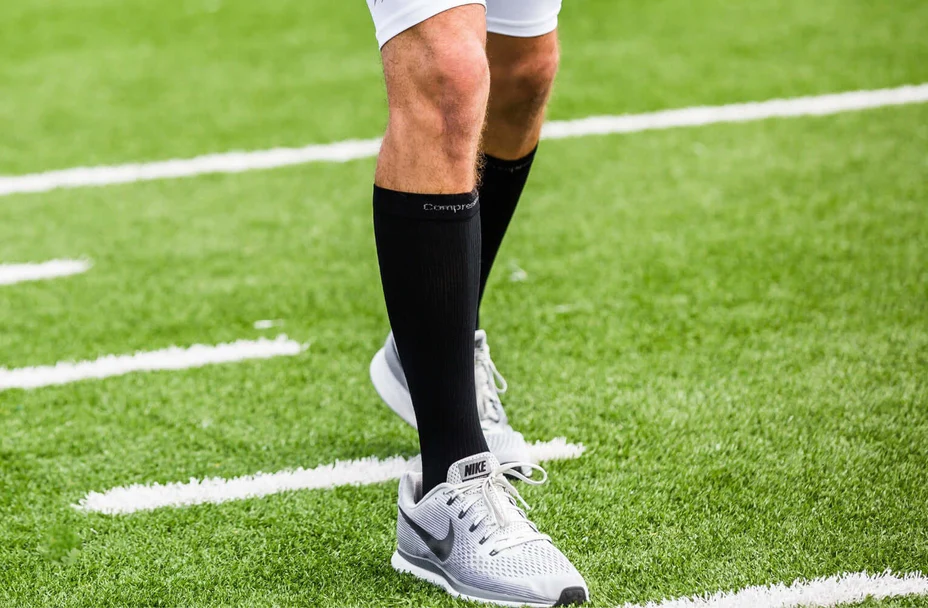
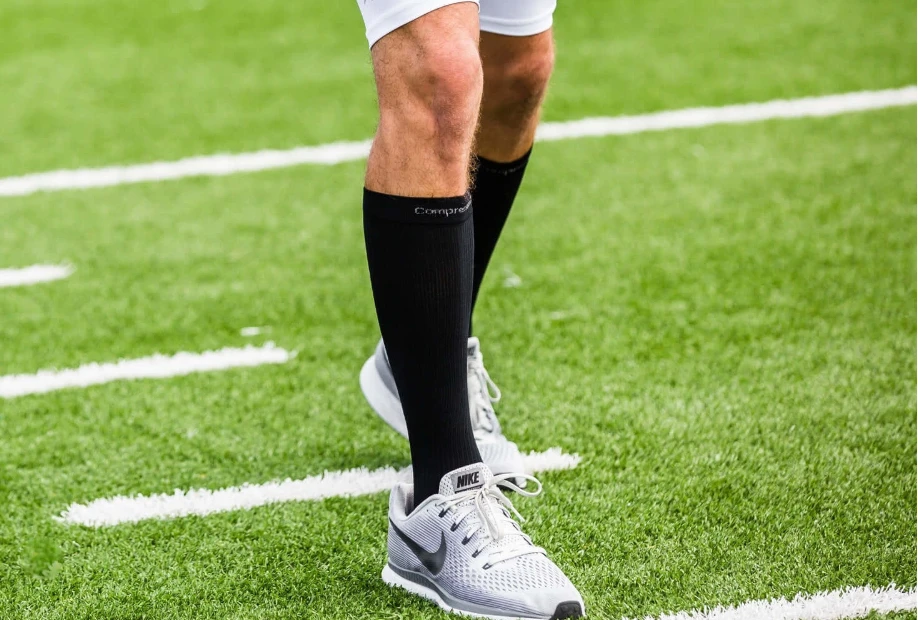
Compression garments are form-fitting apparel made from stretchy, supportive materials such as spandex or elastane. These clothes apply graduated pressure to targeted areas of the body—usually the limbs and torso—to improve blood flow and muscle support. Unlike ordinary workout gear, compression wear is engineered to contour your body and provide consistent pressure where it’s needed most.
This pressure helps enhance circulation, reduce muscle vibration, and limit the build-up of lactic acid, a byproduct of strenuous activity that contributes to soreness and fatigue.
Benefits of Wearing Compression Clothing
1. Improved Circulation and Oxygen Delivery
One of the key benefits of compression wear is its ability to increase blood flow. Better circulation means more oxygen is delivered to working muscles, which helps improve endurance and delay the onset of fatigue. For long-distance runners, cyclists, and strength trainers, this can lead to more efficient workouts and enhanced performance.
2. Faster Recovery After Workouts
Muscle soreness is a common after-effect of intense training. Quality compression clothing reduces muscle inflammation by flushing out toxins and accelerating the removal of waste products. Athletes often wear compression garments post-exercise to reduce soreness and speed up recovery time.
3. Reduced Muscle Vibration and Fatigue
High-impact movements can lead to muscle oscillation—vibrations that cause fatigue and minor muscle damage. Compression clothing stabilizes muscles and joints, minimizing this movement. This not only reduces injury risk but also helps you maintain better form during exercise.
4. Temperature and Moisture Control
Most compression gear is made from moisture-wicking materials that keep sweat away from your skin. In cold weather, it provides warmth, while in heat, it helps cool you down by enhancing air circulation and quick drying.
5. Enhanced Proprioception and Support
Wearing compression apparel enhances your awareness of body positioning—a benefit known as proprioception. This can lead to better coordination, balance, and overall performance, especially in high-intensity or technical sports.
Why Quality Matters
Not all compression garments are created equal. Cheap knockoffs may offer the look of compression gear without any of the actual benefits. Here’s what separates quality compression clothing from the rest:
- Graduated Compression: Properly engineered garments apply variable pressure—tightest at the extremities and looser toward the core—to assist with venous return.
- Durability: High-quality materials and stitching ensure the garments retain their compression over time and repeated use.
- Fit and Comfort: Superior brands offer anatomical designs that don’t chafe, pinch, or restrict movement.
- Medical-Grade Standards: Some compression apparel meets clinical standards for therapeutic benefits, particularly for individuals recovering from injury or surgery.
Who Should Use Compression Clothing?
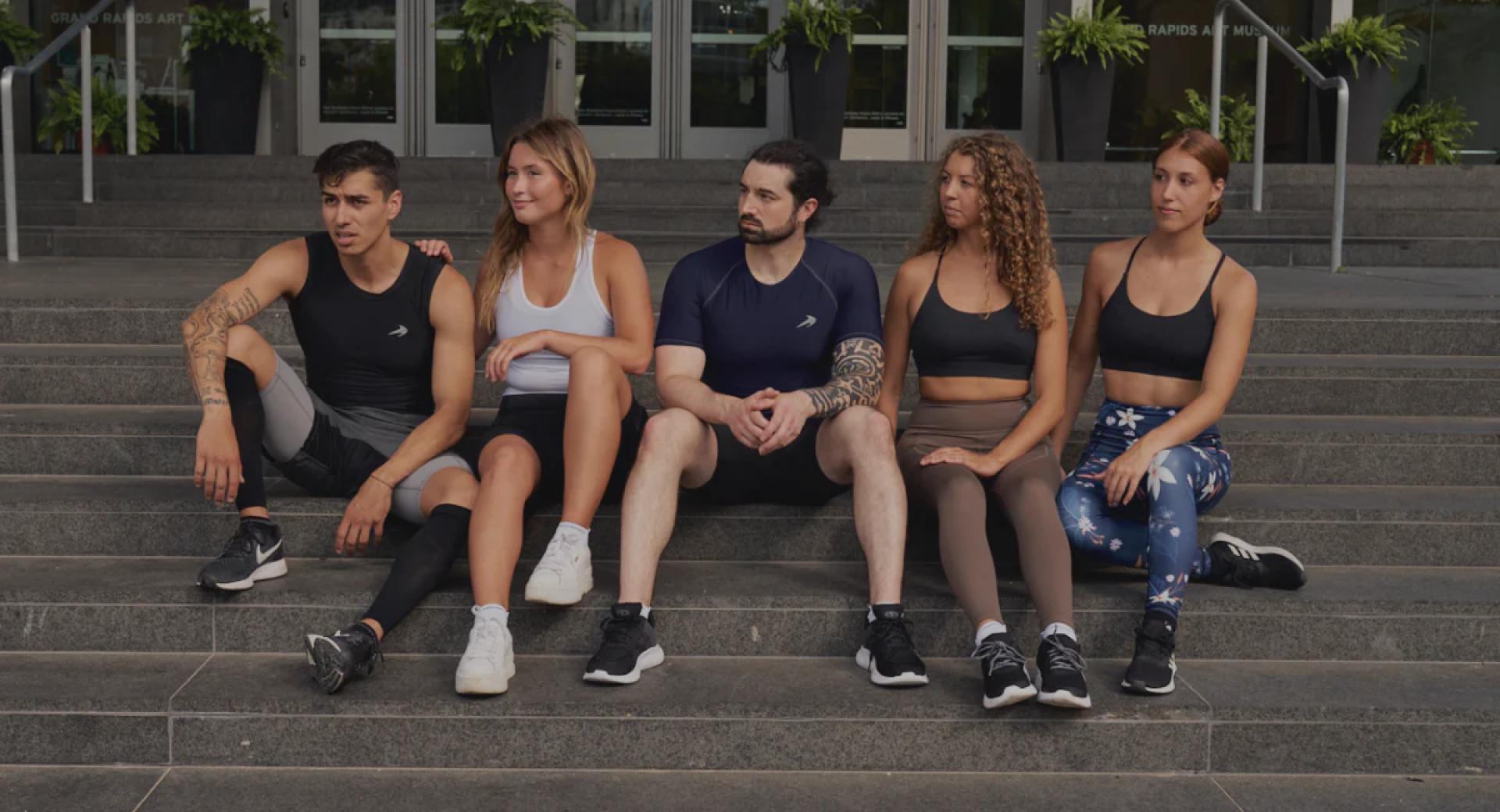
Compression clothing isn’t just for elite athletes. Anyone engaged in physical activity—whether it’s a gym workout, weekend hike, or a casual jog—can benefit. They’re especially helpful for:
- Runners and cyclists
- Weightlifters
- Sports enthusiasts (soccer, basketball, tennis)
- Individuals with circulation issues
- People recovering from muscle strains or surgery
Final Thoughts
As fitness trends evolve, the demand for effective, science-backed apparel continues to rise. Compression clothing offers a smart blend of function and fashion, helping you train harder, recover faster, and feel better during and after workouts. However, the key lies in choosing quality compression clothing that’s been designed with precision and performance in mind.
Whether you're aiming to improve your personal best or simply want to recover more efficiently, compression gear could be the edge you need.

























Sign in to leave a comment.