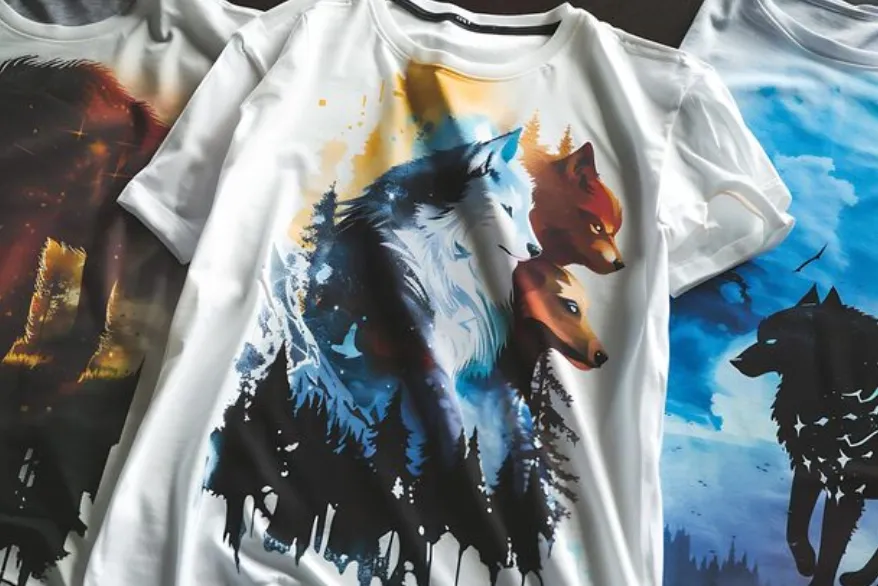

You buy a shirt with a graphic you love, wear it twice, and by the third wash the print has cracked across the chest and the colors have faded into something muddy. Everybody has been there. The question people rarely stop to answer is why. Not all high-definition print t-shirts are actually made the same way, and the gap between a graphic tee that lives for a decade and one that dies in a month comes down to what happened in a print shop before the shirt ever hit a hanger.
What "High-Definition Printing" Actually Means
The phrase gets used loosely. On paper, high-definition printing is any process that reproduces fine detail, sharp edges, and full color range on fabric without losing quality. In practice, most brands using the term mean one of two things. They are either running a modern direct-to-garment printer that lays ink into the fibers at high resolution, or they are using a hybrid method that combines digital printing with pretreatment to hold the color in place.
The point of high-definition printing is not just detail. It is the ability to reproduce photographic images, gradients, and layered color work on a shirt without the print sitting on top of the fabric like a decal.
The Main Printing Methods You Will Run Into
Screen printing is the oldest of the mainstream methods. Ink gets pushed through a mesh screen onto the fabric, one color at a time. A four-color design needs four screens and four passes. Screen prints last a long time when they are done right, but the setup cost is high, which is why most screen printers charge more per shirt on small orders.
Direct-to-garment printing works like a large inkjet printer aimed at fabric. It handles detail and color range better than screen printing, and the setup cost per design is close to zero. The tradeoff is that these prints need proper pretreatment to bond the ink to the cotton, and without it the color washes out fast.
Heat transfer and vinyl are the two methods people most often complain about. A pre-printed sheet gets pressed onto the shirt with heat, and the print sits on top of the fabric instead of inside it. These are the shirts that crack, peel, and fade within a few washes.
Why Some Graphic Tees Crack & Fade
The cracking and fading almost always come down to one of four things.
Cheap Ink
Ink quality matters more than most buyers realize. Low-grade plastisol inks harden into a stiff layer that flexes with every wash and eventually splits. Water-based and discharge inks soak into the fibers and move with the fabric, which is why they hold up longer.
Bad Fabric Prep
Cotton has natural oils and coatings from the mill. If the shirt is not washed or pretreated properly before printing, the ink never bonds cleanly. You end up with a print that looked crisp on day one and started falling apart on wash three.
Wrong Process for the Design
A dense, high-detail illustration printed with cheap vinyl transfers is a disaster waiting to happen. A subtle photograph run through a basic screen print will lose all its detail. Every design has a printing method that suits it, and using the wrong one is how brands cut costs and how buyers get burned.
Poor Aftercare
Even a well-printed shirt gets destroyed by hot water and a high-heat dryer. The ink loses flexibility, the fabric shrinks unevenly, and the print stretches at the seams until it cracks.
What Separates the Shirts That Last
A high-definition print t-shirt that holds up over years shares a few traits. The fabric has been properly prewashed. The ink is water-based or a high-quality plastisol that has been cured at the right temperature. The design has been matched to a printing method that suits its detail level. The print has been given a final cure that locks the ink into the fibers instead of leaving it sitting on top.
Small print shops that handle their own production tend to catch these steps more reliably than large factories running rushed orders. Independent brands like Phatz Frog work at a scale where every shirt gets attention, and the designs get printed with methods that match the level of detail in the artwork. That is a small part of why prints from smaller shops often outlast the ones you buy off a big retailer's rack.
The Fabric Side of the Equation
Fabric quality matters as much as print quality. A tee printed with the best ink in the world will still look tired within a year if the cotton is thin, poorly spun, or mixed with a synthetic that pills after a few washes. Heavier weight cotton in the six-to-seven-ounce range holds ink better and stretches less at the neck and shoulders.
How to Make Any Graphic Tee Last Longer
Once you have found a shirt with print quality worth protecting, the care routine matters. Wash it cold. Turn the shirt inside out. Skip fabric softener, which coats the fibers and pulls at the ink. Air dry when you can, or use a low-heat tumble.
Iron on the back of the shirt only, never directly on the print. Keep the shirt out of the dryer entirely for the first three or four washes if you want to give the ink the best chance at bonding fully.
The takeaway is simple. A graphic tee that lasts is not a lucky find. It is the result of a print shop making a series of good calls before the shirt ever left the factory floor. When you know what to look for, you can spot the shirts worth your money and skip the ones that will be trash by the end of summer.






























Sign in to leave a comment.