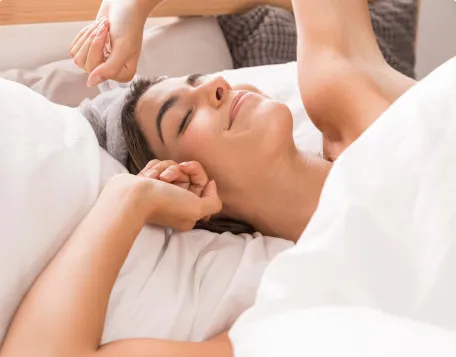

Sleep hygiene gets talked about a lot. You've probably heard the recommendations before: keep a consistent schedule, limit screens before bed, avoid caffeine in the afternoon, keep the bedroom cool and dark. These things matter and they help. But for a lot of people in Lancaster, doing all of them still isn't enough. They follow the rules and still lie awake at night, or wake up at 3am and can't get back to sleep.
When sleep hygiene practices aren't moving the needle, it usually means something is happening at the physiological level that a bedtime routine can't reach on its own. That's where massage therapy comes in. Not as a replacement for good sleep habits, but as a direct intervention on the nervous system and hormonal systems that actually regulate sleep.
Why Sleep Hygiene Alone Has Limits
Good sleep hygiene works by removing obstacles to sleep. It keeps your circadian rhythm calibrated, reduces stimulation before bed, and creates environmental conditions that support rest. What it doesn't do is actively lower your cortisol levels, increase your serotonin, or bring your nervous system out of a state of chronic activation.
If you've been under sustained stress, if your body has been carrying tension for months, or if your nervous system has recalibrated toward a more activated baseline, no amount of screen-free evenings will fully resolve that. The underlying physiology needs to shift first.
This is a common pattern among Lancaster residents who work demanding jobs, manage busy households, or are going through stressful seasons of life. The sleep problems aren't primarily about habits. They're about a nervous system that hasn't had a real chance to downregulate.
How Massage Affects the Neuroscience of Sleep
Massage has measurable effects on the hormonal and neurological systems that regulate sleep, and those effects are well-documented.
Serotonin & Melatonin
Massage increases serotonin levels. Serotonin is a precursor to melatonin, the hormone that controls your sleep-wake cycle. When serotonin goes up, melatonin production follows. This is a direct, physiological pathway from massage to better sleep, not a placebo effect. Research has shown that regular massage is associated with improved melatonin levels in populations dealing with sleep disruption.
Cortisol Reduction
Cortisol and melatonin have an inverse relationship. When cortisol is elevated, melatonin is suppressed. Massage reliably reduces cortisol levels, and that reduction creates the hormonal space that melatonin needs to do its job. For someone whose poor sleep is driven by stress-related cortisol elevation, this is often the missing piece.
Nervous System Downregulation
The parasympathetic nervous system is responsible for the rest and digestion state, which is the biological mode your body needs to enter before sleep is possible. Massage activates the parasympathetic response directly. Clients regularly notice that they fall asleep more easily on the nights following a massage session. That's not coincidence. The nervous system is still in a more settled state.
How to Use Massage as Part of a Sleep Routine
The most effective approach is treating massage as a regular input rather than a one-off event. A single session will often produce a good night's sleep. But the goal of better sleep over time requires repeated sessions that steadily shift the body's baseline.
For Lancaster residents dealing with chronic insomnia or persistent sleep disruption, biweekly sessions for the first month or two tend to produce the most noticeable change. After that, monthly maintenance sessions are often enough to hold the improvement.
Timing matters somewhat. Sessions in the afternoon or early evening tend to produce the best sleep outcomes, since the parasympathetic activation happens close enough to bedtime to carry through into sleep. Morning sessions still produce benefits, but some of that downregulation effect may wear off over the course of the day.
Clinics like Focused Care Therapeutic Massage in Lancaster see a consistent pattern among clients who come in primarily for pain or stress and then report, almost as a side effect, that their sleep has improved significantly. It's one of the more reliable secondary benefits of regular therapeutic work.
Pairing Massage With Your Existing Habits
Massage doesn't replace the other components of sleep hygiene massage therapy lancaster. It works best when those habits are already in place or are being built alongside the sessions. Think of the relationship this way: good sleep hygiene removes the obstacles, and massage addresses the underlying physiology that habits can't reach.
If you're consistent with your bedtime schedule, manage your caffeine, and limit screen exposure before sleep, adding regular massage gives your body the hormonal and nervous system support it needs to actually use the conditions you've created.
Other practices that pair well with massage for sleep improvement include gentle movement or stretching, reducing alcohol consumption (which disrupts sleep architecture even when it initially induces drowsiness), and consistent morning light exposure to anchor the circadian rhythm.
Getting Started in Lancaster
If you're in Lancaster and sleep has been an issue, the conversation with your massage therapist should include sleep as a specific goal. Let them know how your sleep is disrupted, including difficulty falling asleep, waking in the middle of the night, or not feeling rested despite adequate hours. That information helps them focus on techniques that support parasympathetic activation and stress hormone reduction rather than taking a more general approach.
Sleep is foundational. When it's off, everything else is harder. Massage therapy gives Lancaster residents a practical, evidence-backed way to address it at the physiological level.
































Sign in to leave a comment.