
Summer seems to give children some freedom to pursue interests that might not easily fit into the routine of academic education. One such interest could be computer coding, learned through projects rather than treated as just another school course. A carefully organized summer program would allow children to test their knowledge, learn from their mistakes, and pursue their ideas without the limitations of a typical schedule.
Computer Coding Classes for Youth are a great choice for children interested in different types of software development. Classes could include the basics of visual coding as well as more complicated lessons involving programming languages.
Why Summer Is a Good Time to Explore Coding?
A summer camp offers more opportunity for continuous learning. Instead of finding time for coding activities each week, students can spend time understanding and applying concepts in their projects.
This also helps when it takes a few tries to get things done correctly. They can come up with a solution, identify the mistake, try another approach, and repeat the cycle until they achieve the desired result.
They can also find out whether they like game development, visual programming, or text-based programming. This will enable them to figure out which of these they need to develop further.
Starting With A Scratch-Based Summer Experience
Visual programming is one good option for beginners or younger students. Scratch Coding Summer Camp will help the kids learn programming skills by creating interactive projects, games, and animations.
In Scratch, students don't need to worry about text syntax and can use visual blocks. They will have the opportunity to work with elements such as sprites, events, broadcasts, clones, and custom blocks. They can see how their commands work in the project. This environment will make it easier for kids to focus on programming logic. They can start learning sequences, conditions, events, and interactions.
Letting Students Explore Their Own Ideas
Coding is more engaging when students have a little flexibility in what they want to produce. Not every project needs a single, definite goal. Students can take different approaches to programming concepts and make decisions about how their projects behave.
Students can do such experiments in summer courses. There is enough time to test an idea, observe its performance, and tweak the code rather than go through one coding assignment after another.
This approach makes mistakes less scary for students. Code that doesn't do what it's supposed to becomes a subject of investigation for students who can review their code, figure out why it works differently than they thought, and rewrite it.
Moving From Blocks to Text-Based Coding
When students are ready for something more challenging, text-based languages can offer an alternative approach to programming. Instead of using visual building blocks, students write real code and learn the structure of a programming language.
The Java Summer Camp offers an environment to develop such skills. Java requires students to be mindful of code structure and how the various parts of a program interact. For students with experience in visual coding, text-based coding is a natural progression. Students can apply the logic and problem-solving concepts they learned in previous lessons while also being introduced to text-based coding.
Why Java Can Be a Meaningful Next Challenge
Working with Java can help students pay closer attention to program structure. Small changes can make a big difference in how a program works; students need to read what they've written and analyze how different elements interact.
This approach to the structure can come in handy when students start working on bigger tasks. They understand that coding is not only about learning how to use particular commands, but arranging them in a certain order to achieve the desired effect.
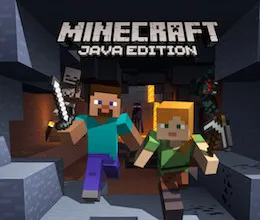
Also, for students who like playing games and working with interactive programs, Java can be interesting from the perspective of Minecraft modding, a topic covered by American Young Coder Academy as well.
From Coding Concepts to Finished Projects
Coding during the summer will also benefit greatly from having an end goal in mind with various projects. Unlike separate lessons, where the student learns a concept and then moves to a completely new one, they can now practice many concepts at once within a single project.
The project itself may require merging different instruction sets, testing how different features interact, and making changes as the final product is created. It also gives you another chance to use all the knowledge from the coding lessons.
American Young Coder Academy offers a wide variety of courses, including games and Python projects made by students themselves. You can see them on their website.
Learning Coding Alongside Other Students
It doesn't mean you should code in isolation all the time. Learning to code together in a small group gives you a chance to study with others who are learning to code as well.
According to American Young Coder Academy, their classes are live and are taught by instructors. Small groups usually have four to six students. These classes might include both instruction and project work.
As for summer learning programs, the format can offer a more engaging learning experience than doing programming tasks independently. You will have a chance to focus on learning, creating, testing, and improving your projects.
When Summer Becomes an Opportunity to Create
Not every student needs to begin at the same level or work toward the same type of project. A younger beginner may benefit from starting from scratch, while a student with previous coding experience may be ready to explore Java or another text-based language.
A summer program's value partly comes from having enough flexibility to explore these different directions. Students can develop foundational skills, try a new language, or spend more time on an area they already enjoy.
For families considering structured summer learning, American Young Coder Academy offers coding education across different levels, including Scratch and Java-based learning opportunities. A summer program can give young learners dedicated time to explore coding, build projects, and discover where their interest in technology might take them next.



























Sign in to leave a comment.