
Static electricity may seem like a minor issue, but in many industrial environments it can create significant safety, performance, and product-quality challenges. Industries such as food processing, aerospace, marine, automotive, and medical manufacturing often handle sensitive equipment, flammable materials, electronic components, and precision processes where electrostatic discharge (ESD) can lead to costly consequences.
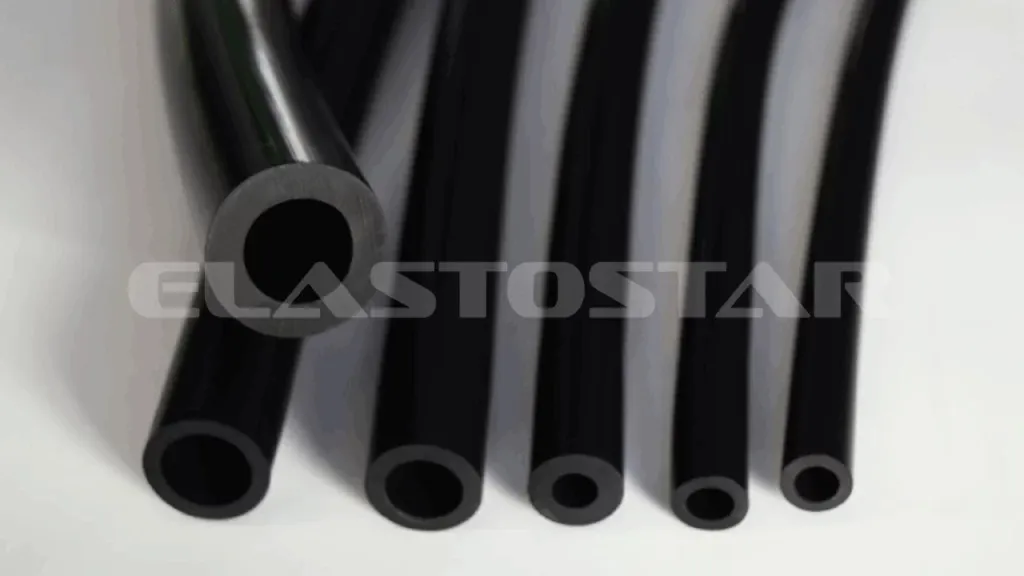
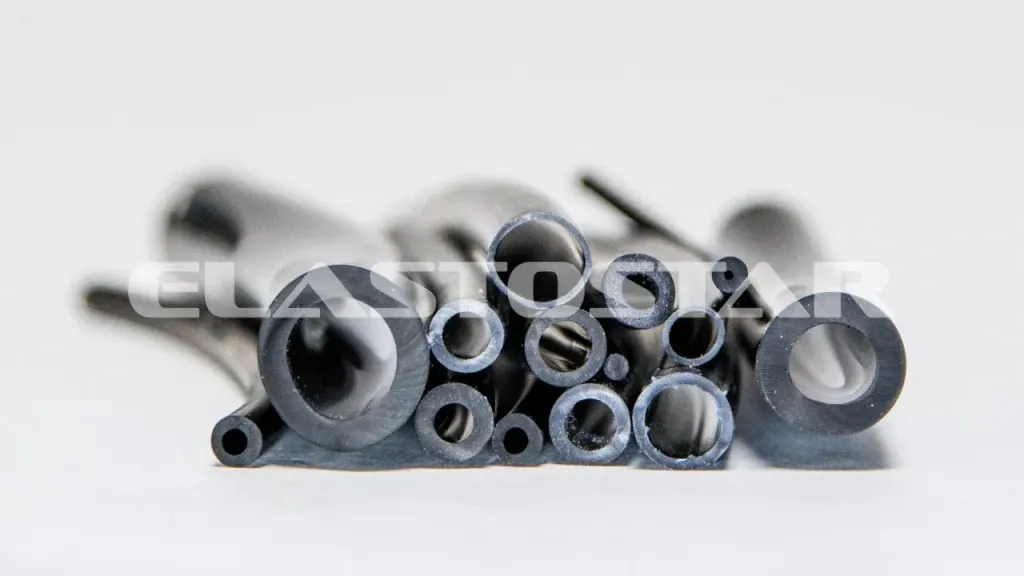
This is where Conductive Rubber Tubing plays a critical role. Designed to safely dissipate static charges, conductive rubber tubing helps protect equipment, products, and personnel while maintaining compliance with industry standards. Whether used in fluid transfer systems, manufacturing equipment, or sensitive processing applications, this specialized tubing provides an effective solution for static electricity control.
In this article, we'll examine how Conductive Rubber Tubing works, its benefits across multiple industries, material considerations, and practical tips for selecting the right solution for your application.
What Is Conductive Rubber Tubing?
Conductive Rubber Tubing is a specialized elastomer tube engineered with conductive materials that allow static electricity to flow safely through the tubing and dissipate to a grounded source.
Unlike standard rubber tubing, conductive tubing contains additives such as:
- Carbon black
- Conductive fillers
- Metallic particles
- Specialized conductive compounds
These materials reduce electrical resistance, enabling controlled static discharge and preventing dangerous charge buildup.
Conductive rubber tubing is commonly manufactured using:
- Silicone rubber
- EPDM rubber
- Neoprene rubber
- Fluorosilicone compounds
- Custom conductive elastomers
The material selection depends on the intended application and environmental requirements.
Why Static Electricity Control Matters
Static electricity develops when surfaces come into contact and then separate, causing an imbalance of electrical charges.
In industrial settings, static buildup can result from:
- Fluid movement through tubing
- Product handling
- Conveyor operations
- Pneumatic systems
- Manufacturing processes
If not properly controlled, static discharge can cause:
- Equipment damage
- Product contamination
- Data loss
- Fire hazards
- Explosions in combustible environments
- Production downtime
For industries handling flammable materials or sensitive electronics, static control is an essential safety requirement rather than a convenience.
How Conductive Rubber Tubing Controls Static Electricity
Provides a Safe Discharge Path
The primary function of Conductive Rubber Tubing is to create a controlled pathway for electrical charges.
As static electricity accumulates within a system, the conductive properties of the tubing allow the charge to flow toward a grounded connection rather than building up to dangerous levels.
This controlled dissipation helps prevent sudden electrostatic discharge events.
Reduces Electrostatic Buildup During Fluid Transfer
Many industrial systems transport liquids, powders, gases, or chemicals through tubing.
As these materials move through conventional tubing, friction can generate static charges.
Conductive tubing helps minimize this risk by continuously dissipating charges as they form.
This feature is especially valuable when handling:
- Solvents
- Powders
- Fuel products
- Fine particles
- Sensitive pharmaceutical ingredients
Protects Sensitive Equipment
Modern manufacturing environments often include highly sensitive electronic systems.
Electrostatic discharge can damage:
- Sensors
- Circuit boards
- Control systems
- Diagnostic equipment
Using conductive tubing as part of an ESD control strategy helps protect valuable equipment from unexpected failures.
Key Benefits of Conductive Rubber Tubing
Improved Workplace Safety
Static discharge can ignite flammable vapors or combustible dust in certain environments.
Conductive tubing reduces this risk by preventing dangerous charge accumulation.
Benefits include:
- Safer operations
- Reduced fire hazards
- Improved compliance with safety regulations
- Better protection for personnel
Enhanced Product Quality
In industries such as food processing and medical manufacturing, contamination control is critical.
Static charges can attract airborne particles and contaminants.
By minimizing electrostatic buildup, conductive tubing helps maintain cleaner processing environments.
Increased Equipment Reliability
Protecting sensitive machinery from electrostatic discharge contributes to:
- Longer equipment life
- Reduced maintenance costs
- Improved productivity
- Fewer unexpected shutdowns
Compliance with Industry Standards
Many industries have specific requirements regarding static control.
Conductive tubing can support compliance efforts related to:
- ESD protection programs
- Safety regulations
- Industry quality standards
- Clean manufacturing requirements
Applications Across Major Industries
Food Processing Industry
The food processing industry relies on safe, hygienic material transfer systems.
Conductive rubber tubing is commonly used for:
- Ingredient transfer
- Powder handling
- Packaging systems
- Automated processing equipment
Static control helps reduce contamination risks while improving operational safety.
Food-grade conductive silicone tubing is often selected for applications requiring regulatory compliance and easy cleaning.
Aerospace Industry
Aerospace manufacturing demands precision and reliability.
Static electricity can interfere with:
- Electronic assemblies
- Aircraft components
- Testing equipment
- Fuel handling systems
Conductive tubing helps protect critical systems while supporting strict safety requirements.
Marine Industry
Marine environments often involve fuel systems, electrical equipment, and harsh operating conditions.
Conductive rubber tubing helps:
- Control static buildup
- Protect sensitive electronics
- Improve fuel handling safety
- Enhance overall reliability
Its durability makes it suitable for challenging marine applications.
Automotive Industry
Modern vehicles contain numerous electronic components that are vulnerable to electrostatic discharge.
Automotive manufacturers use conductive tubing in:
- Fluid transfer systems
- Fuel delivery systems
- Battery manufacturing
- Electronic assembly operations
Static control contributes to both safety and product quality.
Medical Grade Industry
Medical manufacturing environments require strict contamination control and equipment protection.
Applications include:
- Pharmaceutical processing
- Laboratory equipment
- Medical device manufacturing
- Diagnostic systems
Conductive silicone tubing is frequently selected for its cleanliness, flexibility, and compatibility with sterilization procedures.
Material Options for Conductive Rubber Tubing
Conductive Silicone Rubber
A popular choice for medical and food-grade applications.
Advantages include:
- High-temperature resistance
- Flexibility
- Excellent cleanliness
- Biocompatibility options
- Long service life
Many organizations seeking a trusted Silicone Rubber Manufacturer prioritize conductive silicone solutions for demanding applications.
Conductive EPDM Rubber
EPDM offers excellent weather resistance and durability.
Benefits include:
- UV resistance
- Ozone resistance
- Outdoor suitability
- Long-term stability
Conductive Neoprene Rubber
Neoprene performs well in environments exposed to:
- Oils
- Chemicals
- Mechanical wear
- Moderate temperatures
Its balanced properties make it suitable for a variety of industrial uses.
Industry Insights: Growing Demand for Conductive Elastomer Solutions
As industrial automation continues to expand, the need for effective static control solutions is increasing.
Manufacturers are investing in:
- Advanced conductive compounds
- Food-grade conductive materials
- Medical-grade silicone technologies
- Custom-engineered tubing systems
- Enhanced ESD protection solutions
A leading Rubber Manufacture in USA often focuses on developing specialized elastomer products that meet increasingly complex performance and regulatory requirements.
Organizations such as Elastostar Rubber Corporation contribute to the development of engineered rubber solutions designed to address static control challenges across multiple industries.
The growing emphasis on workplace safety, product quality, and equipment protection continues to drive innovation in conductive rubber technologies.
Practical Tips for Selecting Conductive Rubber Tubing
Understand Your Application Requirements
Before selecting tubing, evaluate:
- Operating temperatures
- Chemical exposure
- Pressure requirements
- Regulatory standards
- Static control needs
Verify Conductivity Specifications
Not all conductive tubing offers the same electrical properties.
Review manufacturer specifications to ensure the tubing meets your application's resistance requirements.
Consider Industry Compliance
Food processing and medical applications often require materials that meet:
- FDA standards
- USP requirements
- ISO certifications
- Industry-specific regulations
Ensure Proper Grounding
Conductive tubing only works effectively when connected to an appropriate grounding system.
Proper installation is critical for achieving desired static-control performance.
Schedule Routine Inspections
Inspect tubing regularly for:
- Cracks
- Wear
- Hardening
- Conductivity degradation
Preventive maintenance helps maintain system performance and safety.
Common Signs That Conductive Tubing Needs Replacement
Watch for the following indicators:
- Surface cracking
- Reduced flexibility
- Visible wear
- Performance issues
- Static-related incidents
- Discoloration or aging
Replacing aging tubing before failure occurs helps maintain operational reliability.
Frequently Asked Questions
1. What is Conductive Rubber Tubing used for?
Conductive Rubber Tubing is used to safely dissipate static electricity in fluid transfer systems, manufacturing equipment, and sensitive industrial applications.
2. How does conductive tubing prevent static buildup?
It contains conductive materials that allow electrical charges to flow safely to a grounded source, preventing dangerous charge accumulation.
3. Is conductive silicone tubing suitable for food processing?
Yes. Food-grade conductive silicone tubing is commonly used in food processing applications where both hygiene and static control are required.
4. Which industries benefit most from conductive rubber tubing?
Industries including food processing, aerospace, marine, automotive, electronics, pharmaceuticals, and medical manufacturing frequently use conductive tubing.
5. How long does conductive rubber tubing last?
The lifespan depends on operating conditions, material selection, maintenance practices, and environmental exposure. High-quality tubing can provide years of reliable service when properly maintained.
Conclusion
Static electricity can create significant safety, quality, and operational challenges across a wide range of industries. Conductive Rubber Tubing offers an effective solution by safely dissipating static charges and reducing the risks associated with electrostatic discharge.
From food processing and aerospace applications to marine, automotive, and medical-grade manufacturing environments, conductive tubing helps protect equipment, maintain product quality, and improve workplace safety. By selecting the right material, ensuring proper grounding, and following preventive maintenance practices, organizations can maximize the performance and longevity of their static control systems.
If your facility handles sensitive materials, electronics, combustible substances, or precision manufacturing processes, now is the time to evaluate your static control strategy. Partnering with an experienced Silicone Rubber Manufacturer or trusted Silicone Rubber Manufacture in USA can help you identify the ideal conductive rubber tubing solution for your specific application and operational requirements.




























Sign in to leave a comment.