

There is something strange about failure.
It rarely arrives with thunder.
Most of the time, it comes quietly.
A missed opportunity. A relationship that slips through your fingers. A business idea that never leaves the notebook. A version of yourself you thought you had finally become, suddenly feeling distant again.
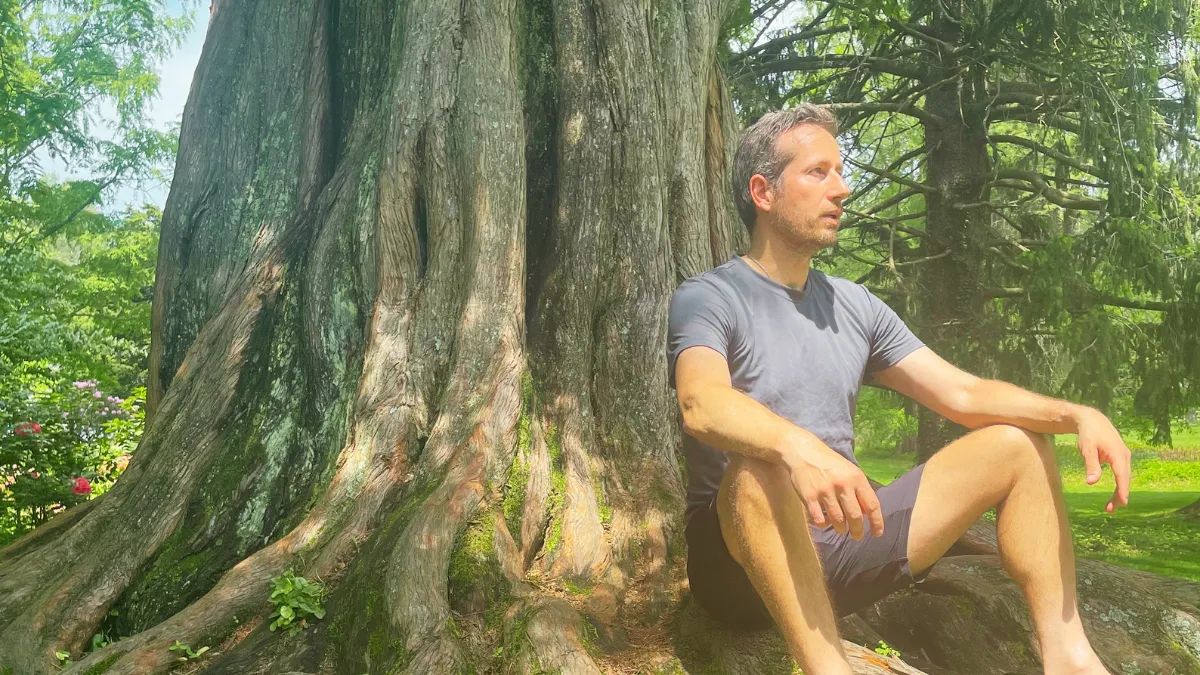
Failure often feels like standing in a winter garden. Nothing appears alive. The branches look empty. The ground feels hard. Yet underneath, something unseen is still preparing itself for spring.
That quiet space between what ended and what wants to begin again is where metamorphosis often starts.
Over the years, through travel, sport, conversations with strangers, athletes, leaders, and people rebuilding themselves after loss, I have noticed something important.
Failure itself rarely keeps people stuck.
The stories they create after failure do.
And if you are reading this while carrying disappointment, I want to sit beside you in this conversation, not above you.
Because I know this road.
Early in my journey, long before becoming Vasilis Mazarakis, before stepping into the role of The Metamorphosis Coach, I learned that confidence is not something we protect from failure.
Confidence grows because of it.
For those working with a personal development coach, this realization often becomes the beginning of real change.
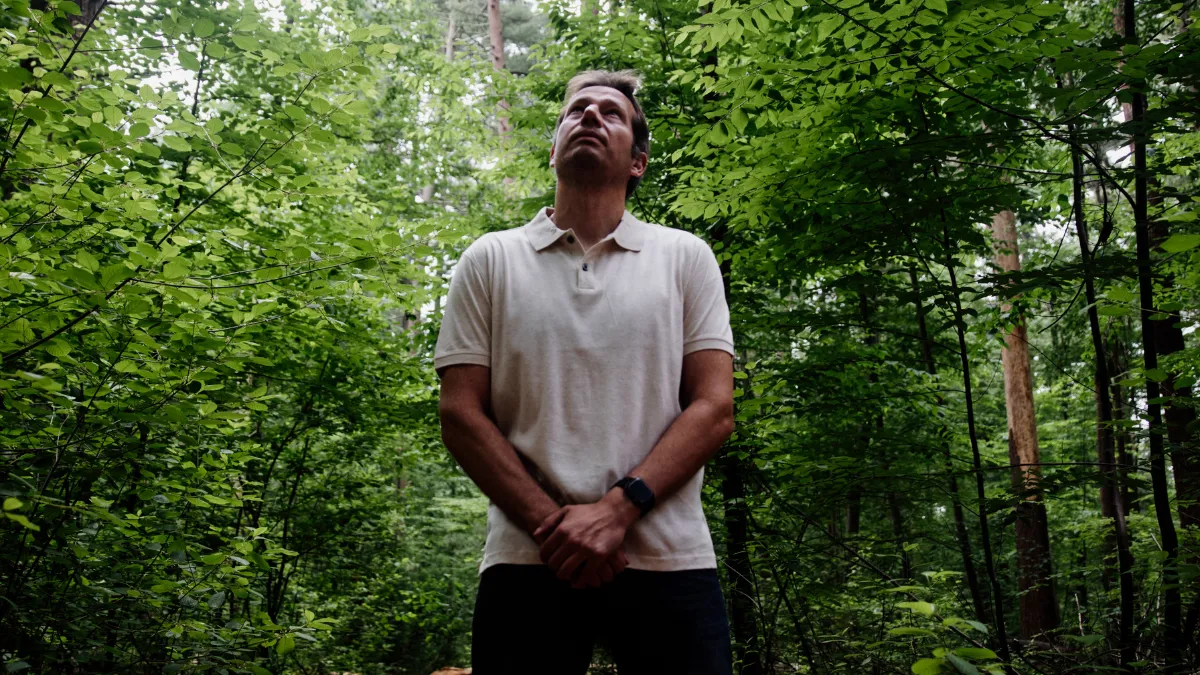
Mistake 1: Believing Failure Changed Your Identity
One thing I hear often is:
"I failed, so maybe I’m not capable."
I understand why people say it.
After enough setbacks, failure starts moving from an event into identity.
A lost relationship becomes:
"I’m difficult to love."
A failed project becomes:
"I’m not good enough."
A rejection becomes:
"I’m not meant for this."
But failure is information.
It is not identity.
I have met people across countries who looked successful from the outside yet quietly carried stories of inadequacy inside.
The problem was never the failure.
It was the label they attached to it.
Confidence metamorphosis begins the moment we separate what happened from who we are.
You are not the event.
You are the person learning through it.
The Day Rome Taught Me Something Unexpected About Confidence
Back in December 2004, during the European Team Championships in Rome, our team had a chance to explore the city.
Rome has a way of slowing you down.
History seems to breathe from every wall.
Stone streets feel like memory itself.
We found ourselves standing near the Spanish Steps when something small happened.
A man and woman met.
They kissed.
Then came a long embrace.
Nothing dramatic.
Just presence.
Public.
Unprotected.
Human.
That moment opened an unexpected conversation among players and coaches.
We started talking about love.
Then relationships.
Then vulnerability.
Then fear.
What stayed with me was not the couple.
It was the honesty that followed.
One coach spoke about vulnerability being the doorway to meaningful connection.
Another player reflected on how love changes shape over time.
Someone shared how forgiveness helped him heal after heartbreak.
Another spoke about silence communicating more deeply than words.
And one player described leaving a relationship that no longer honored who he was becoming.
Standing there, I realized something.
Confidence is not always loud.
Sometimes confidence is allowing yourself to be seen.
Sometimes it is forgiving.
Sometimes it is walking away.
Sometimes it is beginning again.
That experience later became part of my approach in metamorphosis coaching because growth rarely happens in isolation.
It happens in reflection.
Mistake 2: Trying to “Bounce Back” Too Fast
We live in a culture obsessed with recovery speed.
Move on.
Stay strong.
Get back up.
Keep pushing.
But I have seen people rush themselves straight into exhaustion.
Failure asks for reflection before movement.
Not every season is meant for performance.
Some seasons are meant for understanding.
After difficult periods in my own life, I often found that the lesson arrived later.
Weeks later.
Sometimes years later.
Growth moved slower than my ambition wanted.
But it moved deeper.
“I have learned that confidence is not returning to who you were before the fall. It is trusting who you are becoming after it.”
— Vasilis Mazarakis
Real confidence metamorphosis requires patience.
Not perfection.
Mistake 3: Keeping Everything Inside
This one hurts because I see it so often.
People isolate after failure.
They disappear.
They stop talking.
They become their own prison.
I understand the instinct.
Pain wants privacy.
But healing often needs witness.
The conversation at the Spanish Steps reminded me how powerful shared reflection can be.
A simple moment created space for honesty.
And honesty created transformation.
You do not always need advice.
Sometimes you only need someone who can sit with your truth without trying to fix it.
This is why community matters.
Why coaching matters.
Why friendship matters.
Why listening matters.
As a Metamorphosis coach, I have seen breakthroughs happen not because someone found the perfect strategy but because they finally felt seen.
Solutions: How to Move Through Confidence Stagnation After Failure
If failure has left you feeling stuck, here are practices I often return to.
1. Write the story you are telling yourself
Ask:
What happened?
What meaning did I give it?
Are they actually the same thing?
You may discover they are not.
2. Return to small evidence
Confidence rarely returns through giant victories.
It comes through tiny promises kept.
A walk.
A conversation.
Showing up again.
One step.
Then another.
3. Allow grief its place
Some failures deserve mourning.
Not because you are weak.
Because something mattered.
Give it respect.
Then continue.
4. Stay curious
Replace:
"Why did this happen to me?"
With:
"What is this experience trying to teach me?"
Curiosity creates movement.
Shame creates stillness.
5. Find mirrors, not judges
Spend time with people who reflect possibility back to you.
Growth happens faster around honesty than criticism.
Mistake 4: Expecting Confidence to Feel Permanent
This may surprise you.
Confidence moves.
It rises.
It falls.
It shifts.
Even athletes know this.
As a former Olympian, I experienced days where certainty felt effortless.
And other days where doubt sat beside me before competition.
Confidence was never the absence of fear.
It was willingness despite fear.
That changes everything.
The work of The Metamorphosis coach is not helping people become fearless.
It is helping them stay connected to themselves while fear exists.
That is a different kind of strength.
“Transformation does not ask you to stop trembling. It only asks that you keep walking while you do.”
— Vasilis Mazarakis
For many people working with personal growth coach, this shift becomes the beginning of deeper self-trust.
The Quiet Truth About Metamorphosis
I think people misunderstand metamorphosis.
They imagine sudden change.
A dramatic before and after.
But most transformation looks ordinary.
It looks like choosing honesty.
Letting go.
Forgiving.
Trying again.
Listening more carefully.
Being softer with yourself.
That day in Rome taught me something I still carry.
Human connection changes us.
The embrace we witnessed lasted seconds.
The conversation it created stayed much longer.
And maybe that is what confidence really is.
Not certainty.
Connection.
To ourselves.
To others.
To who we are becoming.
This is the heart of metamorphosis coaching.
Not becoming someone new.
Remembering the person underneath the fear.
The person still waiting.
Still growing.
Still alive beneath winter soil.
And if failure has left you standing in that winter garden today, stay there a little longer.
Roots grow quietly.
So does healing.
So does metamorphosis.
And maybe your next chapter is already beginning beneath the surface.
FAQs
What is confidence metamorphosis?
Confidence metamorphosis is the process of rebuilding self-trust after setbacks, failures, disappointments, or major life transitions. It focuses on inner growth rather than external validation.
Why do people stay stuck after failure?
Many people attach failure to identity instead of seeing it as experience. Shame, isolation, perfectionism, and fear often keep growth from happening.
How does metamorphosis coaching help with confidence?
Metamorphosis coaching supports reflection, mindset shifts, emotional awareness, and personal growth so people can move forward with greater clarity and self-understanding.
Can failure improve confidence?
Yes. Failure often reveals hidden strengths, new perspectives, and opportunities for growth that success alone cannot teach.
Who is Vasilis Mazarakis?
Vasilis Mazarakis is a former Olympic athlete, performance psychology expert, and The Metamorphosis Coach who works with people seeking personal transformation, mindset growth, leadership development, and deeper self-discovery.



























Sign in to leave a comment.