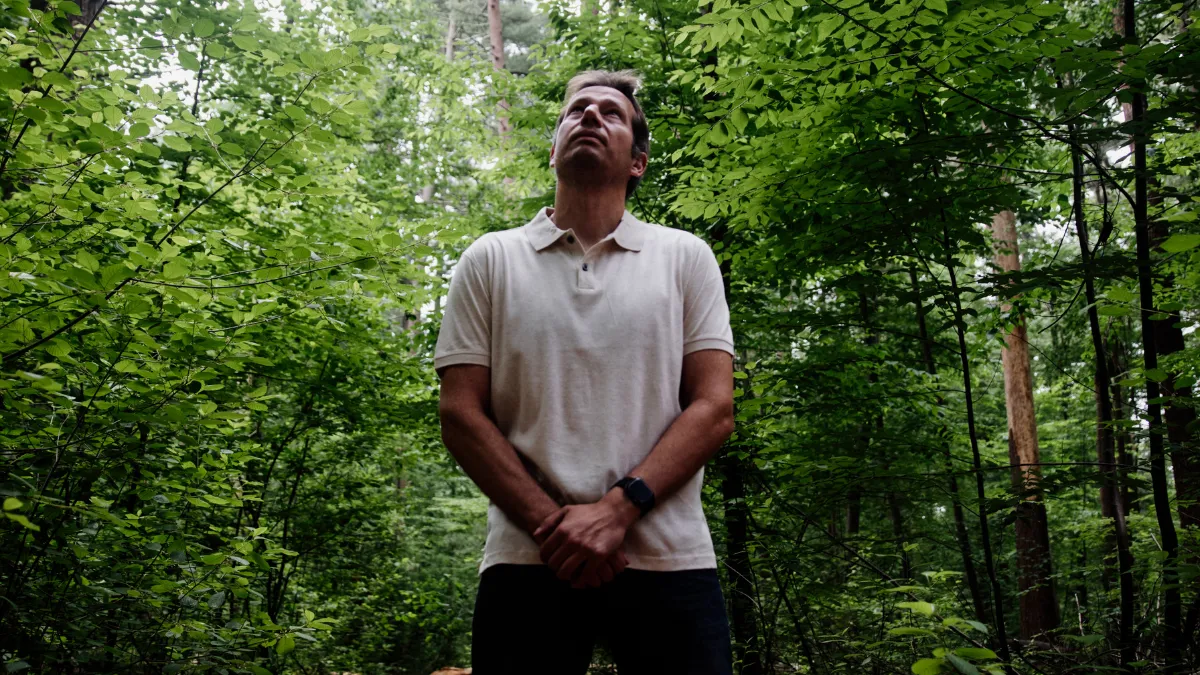

There’s a particular kind of loneliness that comes from doing everything “right” and still feeling unfulfilled.
I’ve met people in luxury hotels overlooking oceans, sitting quietly with coffee in their hands, confessing they no longer recognize themselves. I’ve spoken with entrepreneurs who built successful companies yet secretly feel emotionally exhausted. I’ve met athletes, executives, parents, and leaders who all carried the same invisible weight:
“I’ve worked so hard… so why do I still feel stuck?”
It’s a painful question because hard work is supposed to lead somewhere. We’re taught that discipline, persistence, and sacrifice eventually unlock fulfillment. And sometimes they do.
But not always.
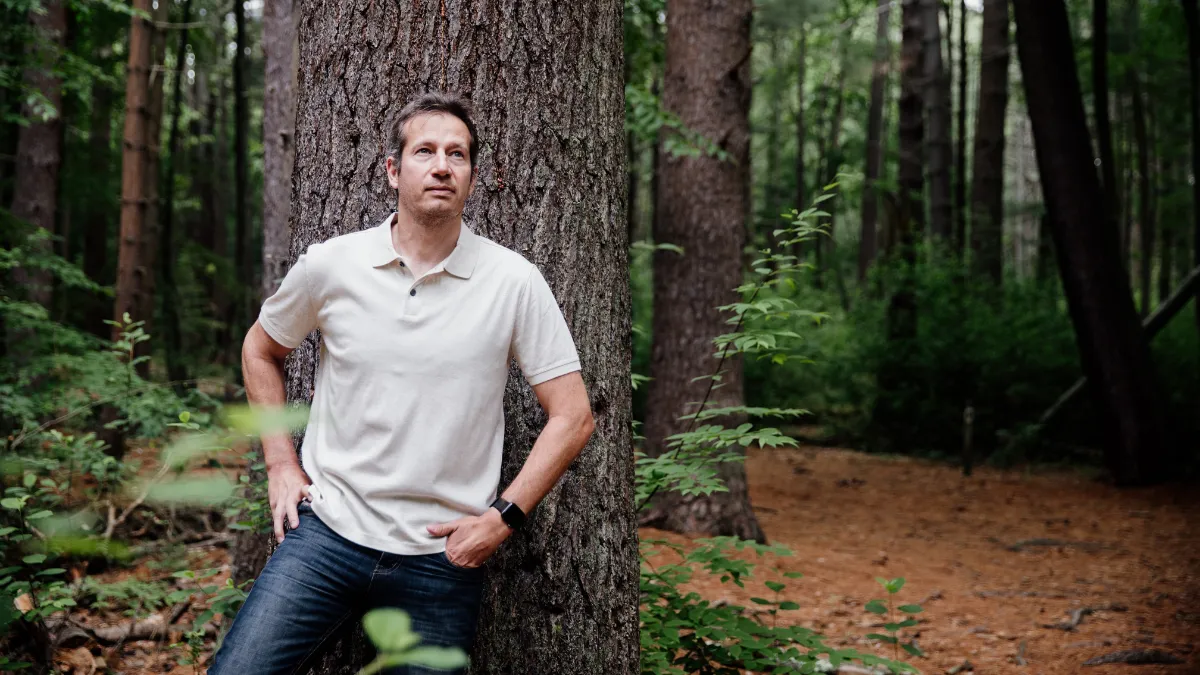
Over the years, through travel, coaching, competition, and countless conversations with people from vastly different cultures and backgrounds, I’ve come to understand something difficult but freeing:
Many people are not stuck because they are lazy, incapable, or unlucky.
They are stuck because the version of themselves doing the work no longer aligns with the life they truly want.
That disconnect creates a quiet form of suffering.
You keep moving, but internally something feels frozen.
As someone deeply involved in transformational coaching, I’ve seen how often people confuse movement with progress. You can stay incredibly busy while emotionally standing still.
And truthfully, I know this because I lived it too.
When Achievement Stops Feeling Like Enough
As a former Olympic athlete, I spent years living inside systems built around performance. Every day had structure. Every action had purpose. Results mattered. Discipline mattered. Winning mattered.
That mindset shaped me in powerful ways, but eventually I noticed something unsettling.
No matter how much I achieved, there was always another mountain waiting.
Another expectation.
Another standard.
Another reason to delay rest or joy.
For a long time, I thought the answer was simply to work harder.
Many people do.
They become more productive, more efficient, more disciplined. Yet internally they feel increasingly disconnected from themselves.
Because exhaustion is not always physical.
Sometimes it comes from spending years becoming who you thought you were supposed to be.
The Hidden Cost of Living on Autopilot
One of the most common patterns I observe in metamorphosis coaching is this:
People slowly abandon themselves without realizing it.
Not dramatically. Quietly.
They stop listening to what excites them.
They suppress emotions to appear strong.
They follow routines that no longer inspire them.
They stay in relationships, careers, or identities that once fit but no longer do.
At first, this looks like responsibility.
Over time, it becomes emotional numbness.
I remember speaking with a businessman during my travels through Europe who admitted he couldn’t remember the last time he felt deeply alive. On paper, his life looked impressive. Internally, he felt disconnected from it.
That conversation stayed with me because it reflected something I’ve seen repeatedly:
People often become trapped inside lives they worked very hard to build.
My Youngest Mentor in Hong Kong
Years ago, while preparing for a tennis tournament in Asia, I stayed with an influential family in Hong Kong through a mutual connection. Their success was extraordinary. Their family had helped shape parts of the city’s skyline through business and real estate.
But strangely, the person who impacted me most was not a billionaire executive or powerful entrepreneur.
It was a 12-year-old boy named Hàoyú.
There was something disarming about him. He asked questions most adults had forgotten how to ask.
“Why do grown-ups pretend to like things they don’t?”
I remember laughing at first, but the question lingered in my mind longer than I expected.
Hàoyú moved through life with curiosity instead of performance. He wasn’t trying to impress anyone. He wasn’t calculating how he appeared. He wasn’t obsessed with outcomes.
When we built sandcastles on a quiet beach and the waves destroyed them, he laughed and started rebuilding immediately. No frustration. No ego attached to the result.
Watching him reminded me how much adulthood conditions people to tie their identity to success, productivity, and external validation.
Children often recover quickly because they haven’t yet built their worth around outcomes.
Adults struggle because they have.
That experience profoundly influenced my understanding of metamorphosis. Growth is not always about adding more discipline or strategy. Sometimes it’s about recovering the parts of yourself you abandoned while trying to succeed.
“Many people don’t need a new life. They need permission to stop betraying themselves inside the one they already have.” — Vasilis Mazarakis
The Real Reasons Hard Work Stops Working
Hard work matters. But effort alone cannot solve deeper misalignment.
Here are some of the most common reasons people remain stuck despite years of trying.
1. You’re Chasing Goals That No Longer Belong to You
Sometimes the goals driving your life were inherited, not consciously chosen.
Family expectations.
Societal definitions of success.
Old survival instincts.
The desire to prove something.
At some point, many people wake up and realize they’ve been climbing a ladder leaning against the wrong wall.
That realization can feel frightening, but it can also become the beginning of real freedom.
2. You’ve Built an Identity Around Being Needed
This is common among leaders, parents, and high achievers.
You become the reliable one. The helper. The strong person everyone depends on.
But eventually, constantly carrying everyone else’s needs leaves little room for your own emotional truth.
You begin functioning instead of living.
And deep down, resentment quietly grows beneath responsibility.
3. You Mistake Productivity for Purpose
Modern culture rewards busyness.
People wear exhaustion like a badge of honor. But being constantly occupied does not necessarily mean you are aligned.
Some people stay busy because silence would force them to confront uncomfortable truths.
Truths like:
“I’m unhappy.”
“I don’t know who I am anymore.”
“I built a life that no longer feels like mine.”
Slowing down can feel terrifying because clarity often arrives in stillness.
4. You Fear Reinvention
One of the hardest things for adults is allowing themselves to evolve publicly.
People become attached to familiar identities:
The successful entrepreneur.
The athlete.
The caretaker.
The perfectionist.
But growth requires release.
The version of you that got through one chapter of life may not be the version capable of entering the next.
And that’s okay.
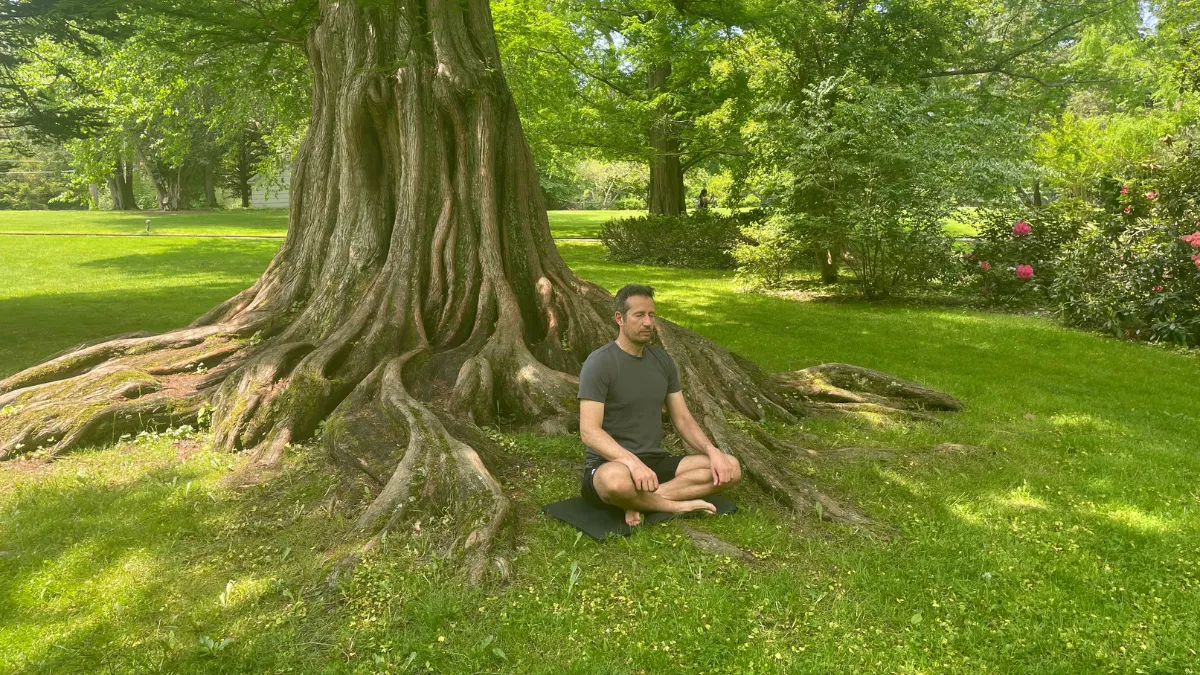
“Transformation begins when we stop worshipping the identities that once helped us survive.” — Vasilis Mazarakis
What Actually Helps You Move Forward?
Real change rarely happens through force alone.
It happens through awareness, honesty, and courage.
Here are a few practices I’ve found genuinely helpful, both personally and through years of coaching conversations.
Reconnect With Curiosity
Curiosity interrupts emotional stagnation.
Ask yourself questions without immediately demanding answers.
What genuinely energizes me lately?
What parts of my life feel performative?
What would I pursue if fear wasn’t driving my decisions?
Curiosity creates movement where rigidity creates paralysis.
Allow Yourself to Grieve Old Versions of You
This part is rarely discussed.
Growth often involves grief.
You may need to release identities, dreams, relationships, or ambitions that once felt central to who you were.
That loss deserves compassion, not judgment.
Spend Time Present Instead of Constantly Optimizing
Hàoyú taught me this beautifully without even trying.
He noticed simple things adults rush past:
Rain against windows.
Footsteps echoing through alleyways.
The first bite of fruit on a humid afternoon.
Presence reconnects people to life itself.
Not the future version of life.
This one.
Stop Measuring Your Worth Through Outcomes
Failure is information, not identity.
Some of the wisest people I’ve met were shaped more by disappointment than success. Their struggles softened them, deepened them, humbled them.
And strangely, those qualities often made them more fulfilled than achievement alone ever could.
As a metamorphosis Coach, I’ve learned that sustainable growth begins when people stop treating themselves like projects to fix and start treating themselves like human beings to understand.
Final Reflection
There’s a moment in nature when a snake sheds its skin. During that process, vision becomes blurry. Movement becomes uncomfortable. Everything feels unfamiliar.
But that discomfort is not failure.
It’s transition.
Human beings experience something similar during periods of metamorphosis.
The confusion.
The questioning.
The restlessness.
The feeling that your old life no longer fits but the new one hasn’t fully arrived yet.
I’ve come to believe these moments are not signs that something is wrong with us.
They are signs that something inside us is trying to grow.
So if you’ve been working hard for years and still feel stuck, perhaps the answer is not to push harder against life.
Perhaps the deeper invitation is to pause long enough to ask:
“Who have I become… and is that person truly aligned with who I want to be?”
Sometimes that single question changes everything.
FAQs
Why do I feel stuck even though I work hard?
Many people feel stuck because their external success no longer aligns with their internal needs, values, or identity. Hard work alone cannot replace emotional fulfillment or self-awareness.
Can personal growth feel uncomfortable?
Yes. Real growth often involves uncertainty, identity shifts, emotional healing, and letting go of old patterns. Discomfort is often part of meaningful transformation.
What is metamorphosis coaching?
Metamorphosis coaching focuses on helping individuals create lasting personal transformation through mindset work, emotional awareness, resilience, authenticity, and purposeful growth.
How do I know if I’ve outgrown my current path?
Common signs include emotional exhaustion, lack of fulfillment despite success, feeling disconnected from yourself, or constantly functioning without feeling genuinely alive.
Why is curiosity important in personal transformation?
Curiosity helps break emotional stagnation. It opens new perspectives, encourages self-reflection, and creates space for growth, creativity, and change.
Who is Vasilis Mazarakis?
Vasilis Mazarakis is a certified life coach with a PhD in Performance Psychology and a background in leadership, mindset development, and human transformation.
























Sign in to leave a comment.