

In 1971, a nurse named Margo McCaffery wrote a definition of pain that has never been formally improved upon: “Pain is whatever the experiencing person says it is, existing whenever they say it does.” It was a radical statement at the time. Medicine in the 20th century was deeply invested in objectivity in numbers, scans, and measurable outcomes. McCaffery was insisting that the patient’s account of their own experience was clinically valid data, not just background noise to be managed around.
That shift in thinking gave rise to what we now call palliative care, not the treatment of a disease, but the active tending of a person living with one. It is one of the fastest-growing areas of modern healthcare, and one of the least understood by people outside it.
The Difference Between Curing and Caring
Healthcare education has historically been structured around cure. Identify the problem, intervene, and resolve. This is the logic of emergency medicine, surgery, and pharmacology, and it is genuinely powerful. But a significant portion of the people who need healthcare at any given moment are not people who can be cured. They are elderly, or chronically ill, or in the final stages of a condition that medicine cannot reverse. For them, the quality of daily life, whether they are in unnecessary pain, whether they feel dignified, whether someone is actually present with them, is the entire medical question.

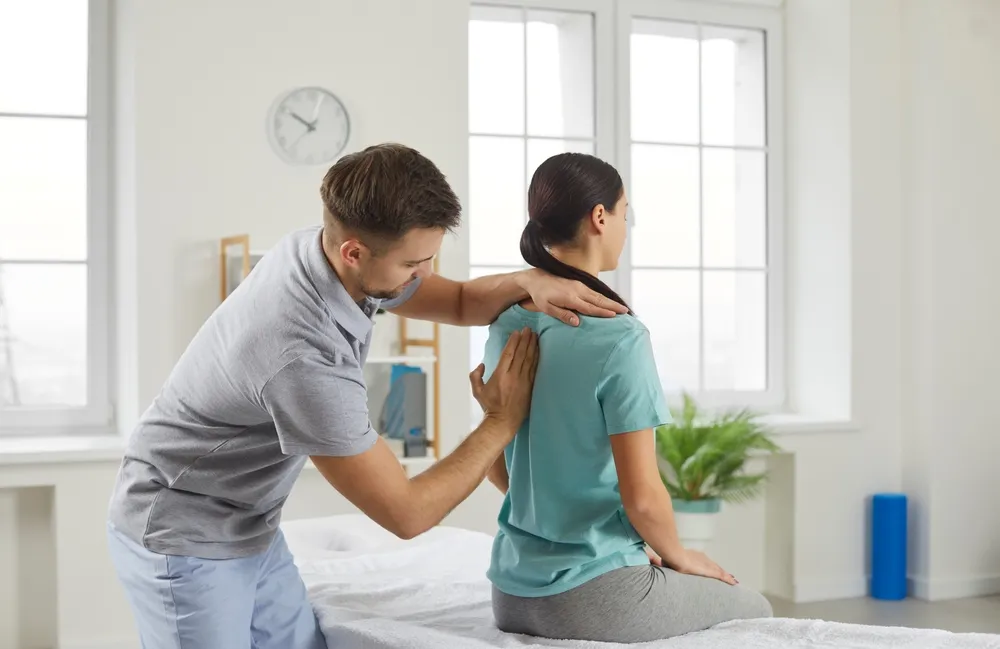
This is where trained healthcare assistants operate, and why the role is more complex than it is often perceived. Managing a dementia patient’s daily routine requires understanding how the disease affects memory, behaviour, and emotional regulation and then adapting communication accordingly, hour by hour. Supporting a stroke patient through rehabilitation requires patience, consistency, and the ability to recognise subtle changes in condition. Caring for someone at the end of life requires all of that, plus a particular kind of steadiness that cannot be improvised.
Why Kerala’s Model Matters Globally
Kerala has one of the most recognised community palliative care networks in the world. The Neighbourhood Network in Palliative Care, which began in Malappuram and spread across the state, is studied internationally as a model for how community-based health workers can extend quality end-of-life care far beyond what hospital infrastructure alone can deliver. It works because it trains people to bring care into homes, into ordinary life, not to replace clinical medicine, but to fill the enormous human space around it.
The skills involved in home care, first aid, nutrition support, maternal and child health, communication with patients and families are precisely the skills that a structured diploma programme with real hospital internship exposure is designed to build. The demand for people with this training, in both institutional and home care settings, is not a projection for the future. There is a present shortage.
If working close to people at their most vulnerable, with competence and genuine purpose, sounds like the direction you want your education to take, the Diploma in Healthcare Assistance at St. Teresa’s College (Autonomous), Ernakulam, is a programme built around exactly that kind of work.





















Sign in to leave a comment.