

How many times a week do you reply with a quick, reflexive, "I’m fine," or "Everything is good, just busy!"?
On the surface, it seems like polite social shorthand. But for many of us, "I'm fine" is actually a defensive shield. It is the ultimate survival tool of emotional suppression—the practice of consciously or unconsciously pushing down uncomfortable emotions to keep moving forward, maintain peace, or avoid looking "weak" to others.
While tucking your difficult feelings away might help you get through a tough meeting or a chaotic family dinner, your emotional system doesn’t actually delete unexpressed feelings. It stores them.
The True Cost of Pushing It Down
When we chronically suppress emotions like anger, grief, disappointment, or fear, they don't vanish; they mutate. Because the adult self isn't acknowledging the emotional system, the body takes over to get your attention.
Emotional suppression frequently leaks out as:
- Sudden, Out-of-Scale Outbursts: Snapping over a dropped fork or a minor traffic delay because your internal "pressure cooker" has reached maximum capacity.
- Passive-Aggressive Communication: Expressing dissatisfaction through subtle sarcasm, withdrawal, or heavy sighing instead of clear, direct boundaries.
- Unexplained Physical Symptoms: Chronic tension headaches, digestive issues, or localized pain that medical doctors can't fully attribute to a physical cause.
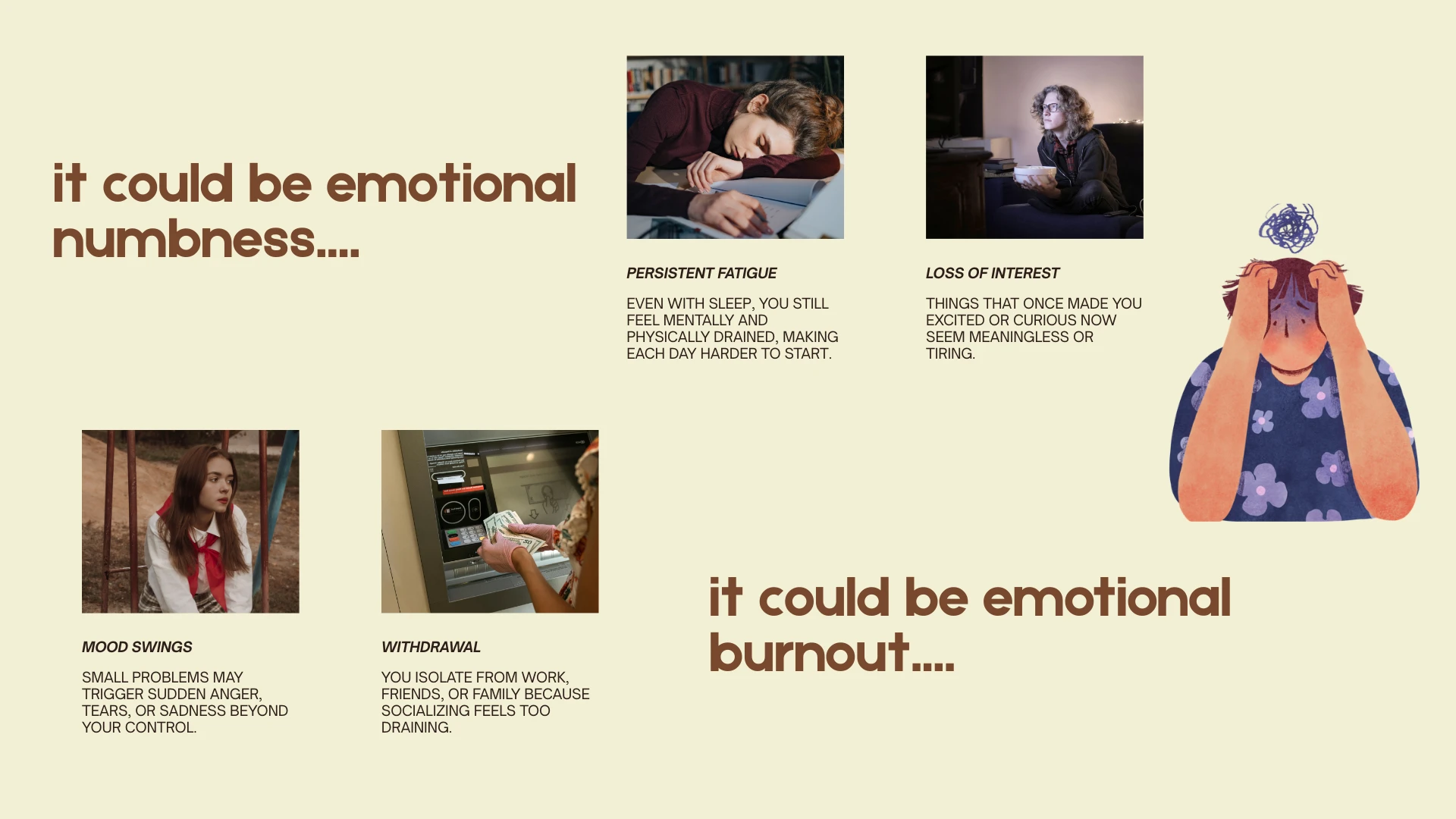
- A Feeling of "Flatness": You cannot selectively numb emotions. When you turn down the volume on your sadness or anger, you accidentally turn down the volume on your joy, passion, and creativity, too.
Stepping Out of the "Fine" Trap
Breaking free from emotional suppression doesn’t mean you have to break down weeping in the grocery store aisle. It means practicing emotional self-leadership—giving your feelings a safe, structured environment to be felt, understood, and released.
Here is how to start giving your adult self permission to feel:
- Drop the Judgment: There is no such thing as a "bad" emotion. Anger tells you your boundaries have been crossed; anxiety tells you that you feel unsafe. Treat every emotion as a data point, not a character flaw.
- Locate it Somatically: Emotions are physical sensations before they are mental thoughts. When you feel a wave of something uncomfortable, close your eyes and track it. Is it a knot in your stomach? A lump in your throat? Breathe directly into that physical space for 90 seconds without trying to fix it.
- Upgrade Your Vocabulary: The next time a safe loved one asks how you are, try trading "I'm fine" for granular honesty: "Honestly, I’m feeling a little overwhelmed today, but I'm managing," or "I’m feeling a bit disconnected right now."
Acknowledging your internal reality is the very first step toward emotional regulation and true psychological stability.
Ready to stop saying you're "fine" and start feeling truly grounded? Moving past emotional suppression requires a safe, intentional space where you feel completely seen and supported. The team at @IGotUCorp specializes in identity-focused therapy that helps you decode your emotional system and safely express your true self. Stop carrying the weight of unexpressed emotions alone—visit IGOTUCORP® today to schedule a consultation.






























Sign in to leave a comment.