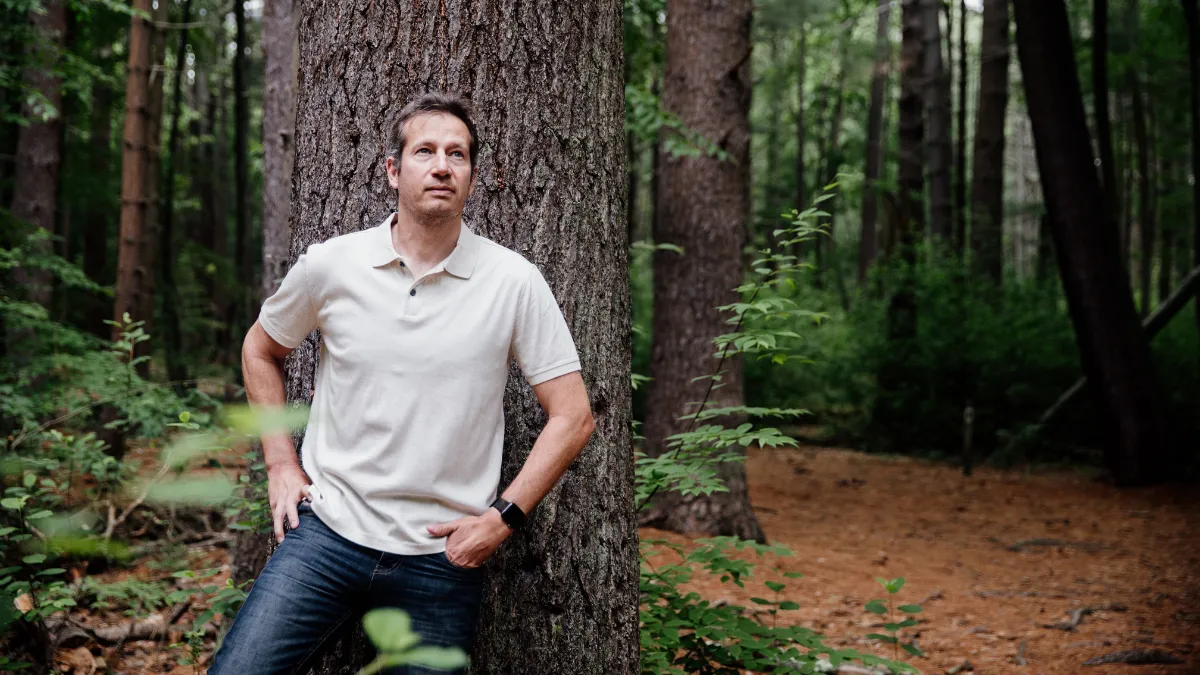

There comes a point in many people’s lives when the days begin to blur together.
You wake up. You go through the motions. You answer emails, meet responsibilities, smile when expected, and tell yourself you’ll feel better once you finally “arrive” somewhere. Yet deep down, something feels painfully still. Not broken exactly. Just trapped.
Like a butterfly waiting too long inside its cocoon.
I’ve seen this feeling in elite athletes after retirement, in executives who built successful careers but lost themselves in the process, and in travelers sitting quietly beside me in airport lounges wondering why achievement still feels empty. I’ve felt it in my own life too.
Personal metamorphosis rarely begins with a dramatic breakthrough. More often, it starts with discomfort. A quiet realization that the version of yourself you’ve outgrown can no longer carry you forward.
And that realization can feel terrifying.
As a Metamorphosis coach, I’ve learned that stagnation isn’t laziness. It’s usually protection. We cling to familiar identities because uncertainty feels unsafe. Even when our current reality exhausts us, the unknown still scares us more.
But growth asks something difficult from us. It asks us to loosen our grip on who we’ve been.
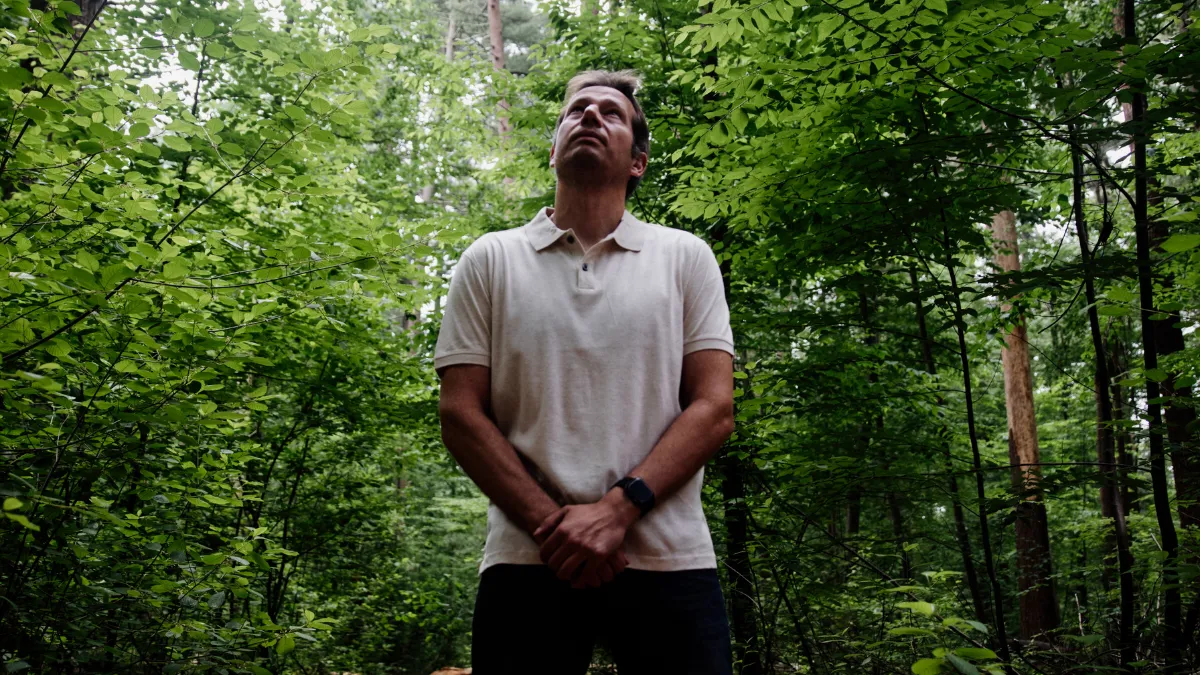
The Strange Weight of Staying the Same
Years ago, during my tennis career, I spent significant time in Dubai competing and training. On paper, it looked glamorous. Intense matches, elite players, beautiful venues, packed schedules. But some of the deepest lessons I learned there happened far away from the tennis court.
One evening, during a rare break from training, I was invited into the desert with several Sheiks and their entourage. We rode camels through endless dunes while dancers, storytellers, and musicians moved alongside us beneath the open sky.
At first, the desert felt silent and lifeless. But the longer I sat there, the more alive it became.
The wind reshaped entire dunes within minutes. Nothing stayed fixed. Nothing resisted change.
One of the Sheiks said something I’ve never forgotten:
“The desert survives because it never argues with the wind.”
That sentence stayed with me for years.
Many people suffer not because life changes, but because they resist the fact that it already has.
They keep trying to force old versions of themselves into new seasons of life.
The entrepreneur who secretly wants peace but still chases constant expansion.
The parent who lost their sense of identity but keeps pretending they’re fine.
The high performer who built their entire self-worth around productivity and now feels guilty resting.
Sometimes the cocoon becomes painful because we were never meant to live there forever.
What the Camels Taught Me About Resilience
As we crossed the dunes, I watched the camels carefully.
Their movement was slow but incredibly efficient. They didn’t fight the terrain. They adjusted to it naturally. One of the Sheiks smiled at me and said:
“A camel doesn’t survive by carrying less. It survives by carrying better.”
That insight changed something inside me.
Most people think resilience means becoming emotionally tougher. Pushing harder. Carrying more pressure without collapsing.
But real resilience is more intelligent than that.
It’s knowing how to distribute emotional weight before it crushes your spirit.
It’s recognizing when you need rest before burnout forces it upon you.
It’s understanding that endurance without self-awareness eventually becomes self-destruction.
This is something I now explore deeply through my metamorphosis Coaching Programs. Not because transformation requires dramatic reinvention, but because sustainable growth requires learning how to carry life differently.
Not lighter necessarily.
Wiser.
Why So Many People Feel Emotionally Stuck
Over the years, I’ve noticed that emotional stagnation often comes from the same hidden patterns.
People wait for certainty before making changes.
They wait until fear disappears.
They wait until they feel fully confident.
But metamorphosis doesn’t work that way.
The caterpillar does not receive guarantees before entering the cocoon.
Growth is uncomfortable because your old identity and your future self often overlap for a while. That middle space feels confusing. You may question yourself constantly there.
And honestly, that’s normal.
I remember speaking with a businessman during my travels through Europe years ago. He had built a financially successful company, yet quietly admitted over dinner that he no longer recognized himself. He said something simple but heartbreaking:
“I spent twenty years building a life I thought I wanted.”
That sentence carried enormous grief.
Sometimes people don’t need motivation. They need permission to stop abandoning themselves.
A Practical Guide to Personal Metamorphosis
Transformation sounds beautiful in theory. In reality, it often looks very ordinary at first.
It begins in small decisions.
Here are a few practices I’ve seen genuinely help people reconnect with themselves again.
1. Stop Treating Exhaustion Like an Achievement
Many people wear burnout like a badge of honor.
But chronic exhaustion disconnects you from intuition, creativity, patience, and joy. Rest is not weakness. It’s restoration.
Your nervous system cannot transform while constantly operating in survival mode.
2. Let Go of Rigid Expectations
The desert taught me this lesson powerfully.
The dunes constantly changed shape. The people who understood the desert moved with it rather than against it.
Life works similarly.
Rigid expectations create suffering because reality rarely follows our exact plans. Adaptability is one of the most underrated emotional skills in life.
Metamorphosis often begins the moment you stop demanding certainty from the future.
3. Learn to Sit with the Unknown
One of the Sheiks shared a story about traveling into the desert alone as a young man with only minimal supplies. He explained that solitude and uncertainty revealed parts of himself he never would have discovered otherwise.
That stayed with me.
Most growth happens in spaces where control disappears.
This is why so many people avoid change entirely. The unknown activates fear. But the unknown is also where possibility lives.
4. Reconnect with Your Body
As a former Olympic athlete, I learned something important early in life: the body always speaks before the mind listens.
People disconnect from themselves physically long before they recognize it emotionally.
Poor sleep. Tight shoulders. Shallow breathing. Constant tension.
Your body often carries the truth your mind is trying to ignore.
This is why practices like breathwork, movement, stillness, and visualization matter deeply in both personal development and mindset coaching.
Not because they’re trendy.
Because they help people return to themselves.
The Beauty of Flow
Later that evening in Dubai, dancers performed beneath the stars.
What struck me most wasn’t their precision. It was their presence.
They weren’t obsessively controlling every movement. They were responding to the music, the atmosphere, and the moment itself.
I think life asks the same thing from us sometimes.
We spend so much energy trying to control every outcome that we forget how to actually experience our lives while they’re happening.
The most meaningful moments are rarely perfectly planned.
They unfold unexpectedly.
A conversation.
A loss.
A journey.
A breakdown that quietly becomes a breakthrough months later.
“The moment you stop trying to become someone else, your real transformation begins.”
— Vasilis Mazarakis
Metamorphosis Is Not About Becoming Perfect
This is one of the biggest misconceptions people have.
Personal growth is not about eliminating fear, sadness, confusion, or struggle.
It’s about developing a healthier relationship with them.
The strongest people I’ve met were not fearless.
They simply stopped running from themselves.
And maybe that’s what true metamorphosis really is.
Not changing into someone entirely new.
But slowly becoming more honest about who you’ve been all along.
“The people who transform most deeply are rarely the loudest. They are the ones willing to face themselves truthfully.”
— Vasilis Mazarakis
Final Reflection
If you feel stuck right now, I want you to know something important.
Stagnation is not the end of your story.
Sometimes life places us inside emotional cocoons not to punish us, but to prepare us.
Growth often happens invisibly before it becomes visible.
So be patient with yourself.
Listen closely to what your exhaustion, frustration, or restlessness may be trying to teach you.
You do not need to have every answer today.
You only need the courage to take one honest step toward yourself.
That is where metamorphosis begins.
FAQs
What is personal metamorphosis?
Personal metamorphosis is the process of deep inner transformation. It involves evolving emotionally, mentally, and spiritually by letting go of limiting patterns and becoming more aligned with your authentic self.
Why do people feel emotionally stuck in life?
People often feel stuck because they’ve disconnected from themselves through chronic stress, fear of change, burnout, or rigid expectations. Emotional stagnation usually develops gradually over time rather than suddenly.
How can a metamorphosis coach help?
A Metamorphosis coach helps individuals identify internal barriers, shift limiting beliefs, build emotional resilience, and navigate personal or professional transitions with greater clarity and self-awareness.
What are the first signs of personal transformation?
Early signs often include increased self-awareness, emotional discomfort, questioning old habits, feeling disconnected from old identities, and a growing desire for change or deeper meaning.
Is personal growth supposed to feel uncomfortable?
Yes. Growth often feels uncomfortable because transformation requires leaving familiar emotional patterns behind. Discomfort is frequently part of the transition between who you were and who you are becoming.
How long does metamorphosis take?
There is no fixed timeline. Personal transformation is deeply individual. Some changes happen quickly, while deeper emotional and mindset shifts can unfold gradually over months or years.





























Sign in to leave a comment.