

The global construction landscape is undergoing a massive paradigm shift. As modern infrastructure projects grow in scale, complexity, and regulatory scrutiny, the traditional silos separating civil, mechanical, electrical, and structural engineering are crumbling. To deliver mega-projects on time and within budget, a unified approach is paramount. At the centre of this evolution sits the modern construction equipment infrastructure, a sophisticated ecosystem of connected machinery, data networks, and automation tools that serves as the ultimate bridge between multidisciplinary engineering workflows.
The Fragmented Workflow Challenge
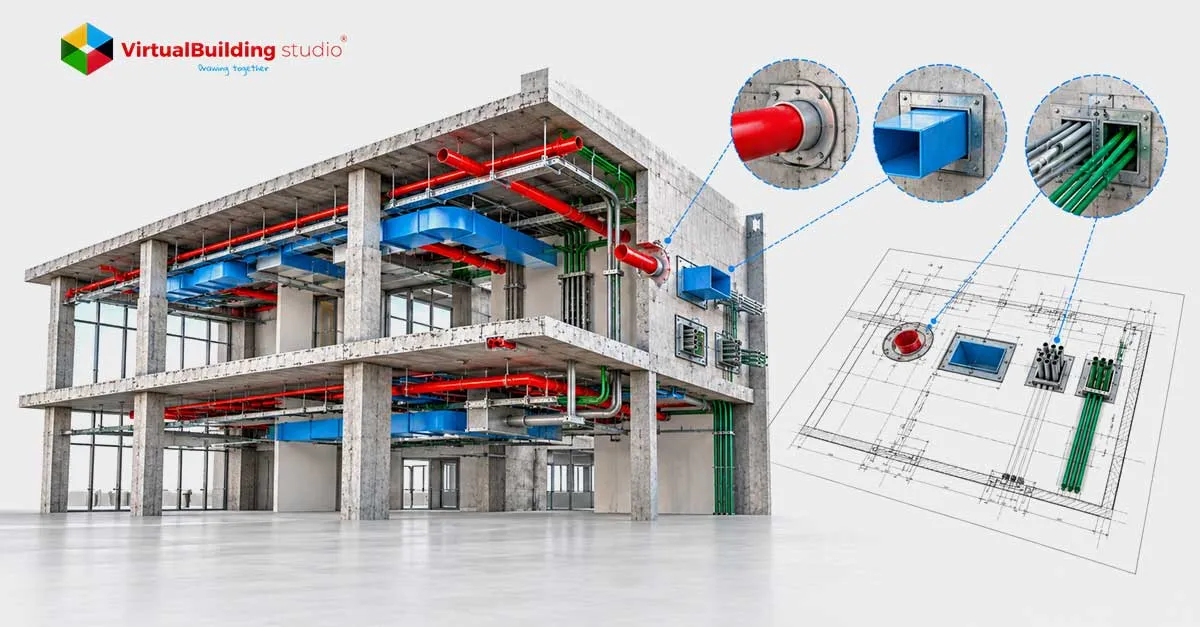
Historically, large-scale engineering projects have suffered from fragmented communication. Structural engineers might design a framework without fully accounting for the real-time site constraints faced by civil teams during excavation. Mechanical, electrical, and plumbing (MEP) specialists often plan routines that clash with structural realities discovered only during the physical building phase.
These misalignments lead to costly changes in orders, project delays, and wasted materials. Optimising multidisciplinary workflows requires a centralised platform where data flows seamlessly from the design office to the field. Modern construction equipment infrastructure provides this vital link, transforming static blueprints into dynamic, data-driven execution strategies.
Integrating Digital Twins with Physical Assets
The integration of Building Information Modeling (BIM) and digital twin technology with physical field assets is a cornerstone of workflow optimization. When heavy machinery is connected to a centralized digital ecosystem, design models are no longer just reference documents; they become active operational guides.
For instance, structural and civil engineering designs can be fed directly into intelligent earthmoving assets. Telematics and GPS-guided machinery interpret these complex data models on-site, allowing operators to execute precise grading, digging, and foundational work. By utilizing advanced construction equipment, engineering teams ensure that physical execution aligns perfectly with the multidisciplinary digital blueprint, eliminating human error and reducing the need for manual surveying.
Enhancing Cross-Disciplinary Synergy
When heavy machinery infrastructures are optimized, the benefits ripple across every engineering discipline involved in a project. Consider how real-time data collected from the field influences different teams simultaneously:
- Civil & Structural Alignment: Automated grading systems verify soil stability and excavation depths instantly, providing structural engineers with immediate data to validate foundation designs.
- MEP & Systems Integration: Instead of waiting for structural components to be built, MEP engineers can use precise spatial data gathered by drone-assisted machinery scans to pre-fabricate components off-site, ensuring a perfect fit.
- Project Management & Logistics: Mechanical engineers overseeing asset health can predict maintenance cycles based on workload data, allowing project managers to adjust timelines before a critical breakdown halts the entire multi-disciplinary workflow.
This high level of synchronization transforms a chaotic job site into a harmonized, assembly line-style environment where data from one discipline directly feeds and optimizes the next.
Overcoming Data Silos on the Modern Job Site
The true power of modern construction machinery infrastructures lies in their ability to break down data silos. Historically, the telemetry data generated by a fleet was only accessible to fleet managers or maintenance crews. Today, open API standards and cloud-enabled machinery allow this data to be streamed directly into project management and engineering software.
When a smart crane lifts a heavy structural steel beam, data regarding weight distribution, wind resistance, and exact spatial placement is captured. This information is highly valuable to structural engineers verifying load tolerances, safety officers monitoring risk, and civil engineers assessing ground pressure. By transforming physical assets into data nodes, project stakeholders gain a single source of truth that keeps all engineering disciplines aligned in real time.
Future-Proofing Engineering Workflows Through Automation
As we look toward the future of infrastructure development, the reliance on interconnected machinery will only intensify. The rise of autonomous and semi-autonomous fleet ecosystems represents the next frontier in workflow optimization.
Autonomous machinery relies on a continuous loop of multi-disciplinary data: civil topography maps, structural safety parameters, and mechanical performance algorithms. When these elements operate in tandem, the efficiency of the workflow scales exponentially. Human error is minimized, safety hazards are drastically reduced, and the speed of execution accelerates. Investing in a forward-thinking infrastructure for heavy machinery ensures that engineering firms remain competitive in an increasingly automated industry.
Conclusion
Optimizing multidisciplinary engineering workflows is no longer just an administrative challenge; it is a technological one. The successful execution of tomorrow's infrastructure relies heavily on how well engineering disciplines communicate, adapt, and share data in real time.
By leveraging a connected, intelligent construction equipment infrastructure, firms can bridge the gap between abstract design and physical reality. This integration reduces friction between civil, structural, and mechanical teams; minimizes costly errors; and maximizes operational efficiency. Ultimately, treating heavy machinery not just as tools but as data-driven components of a unified engineering ecosystem is the key to unlocking the future of global infrastructure development.
























Sign in to leave a comment.