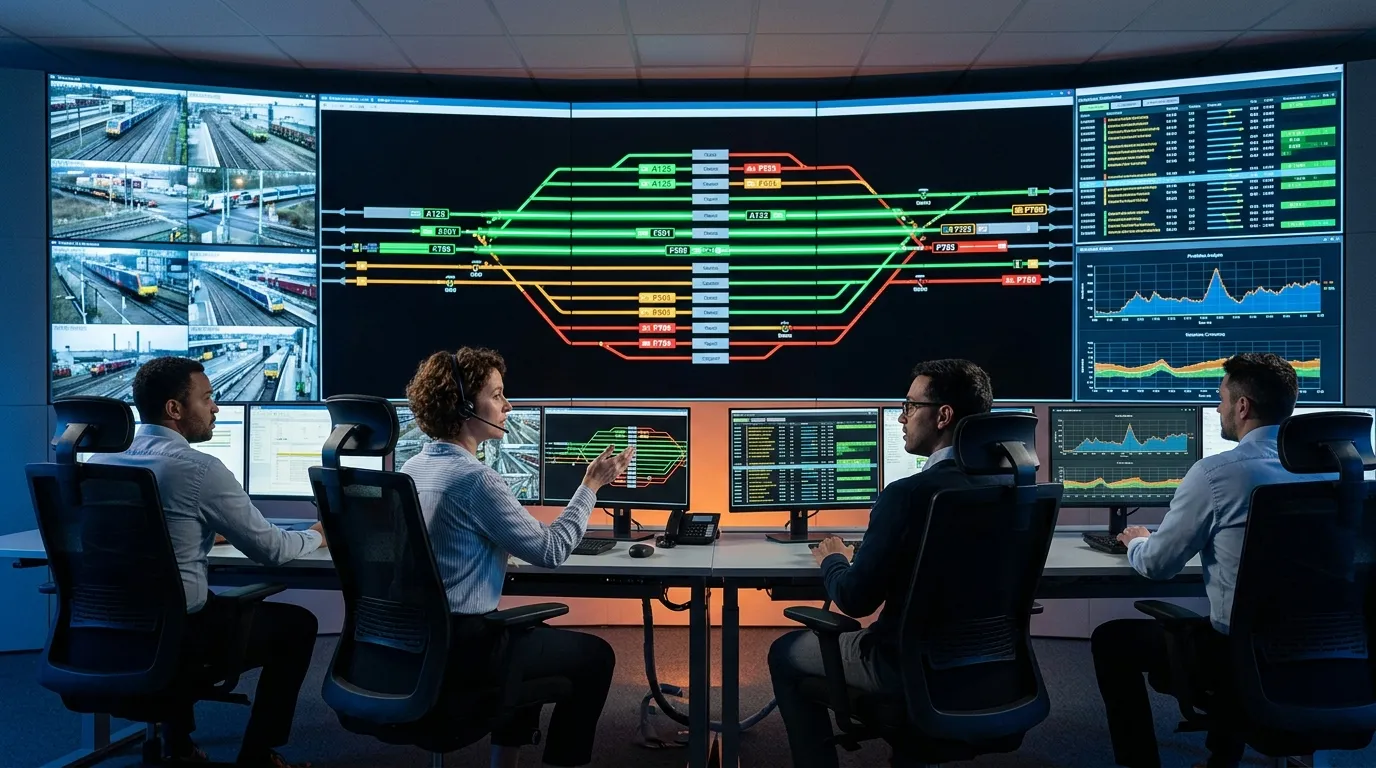

A reliable contract train dispatching company does far more than assign train movements. It helps railroads maintain safety, reduce delays, manage maintenance windows, and respond quickly when operating conditions shift. In today’s rail environment, where efficiency and compliance matter as much as speed, many operators are turning to 24/7 outsourced train dispatching services to improve control without expanding full-time internal teams.
What a Contract Train Dispatching Company Does
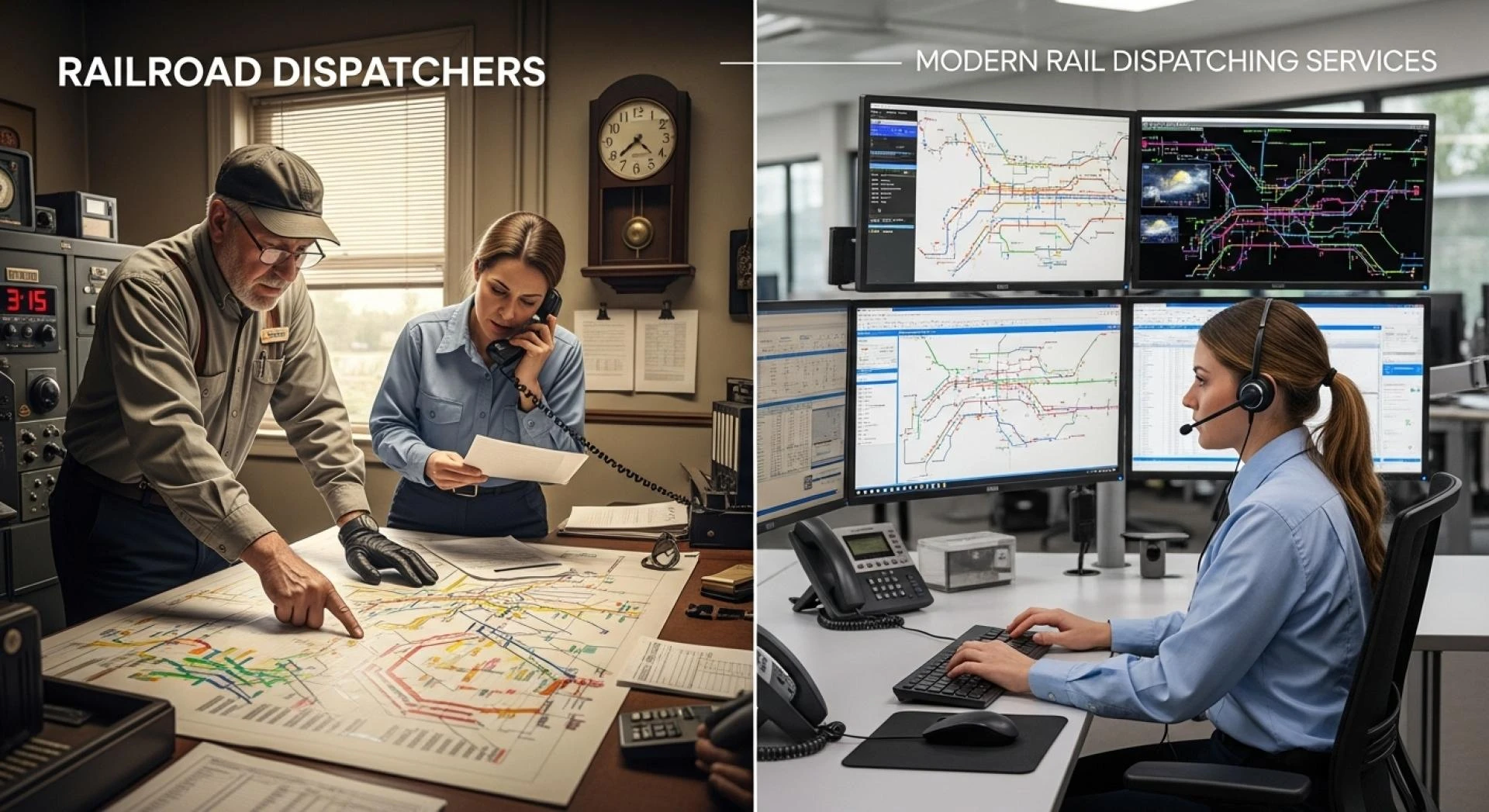
A professional dispatching partner acts as the control center for train flow across a defined territory. That role directly affects crew coordination, track access, service reliability, and incident prevention.
1. Safe Movement Authority
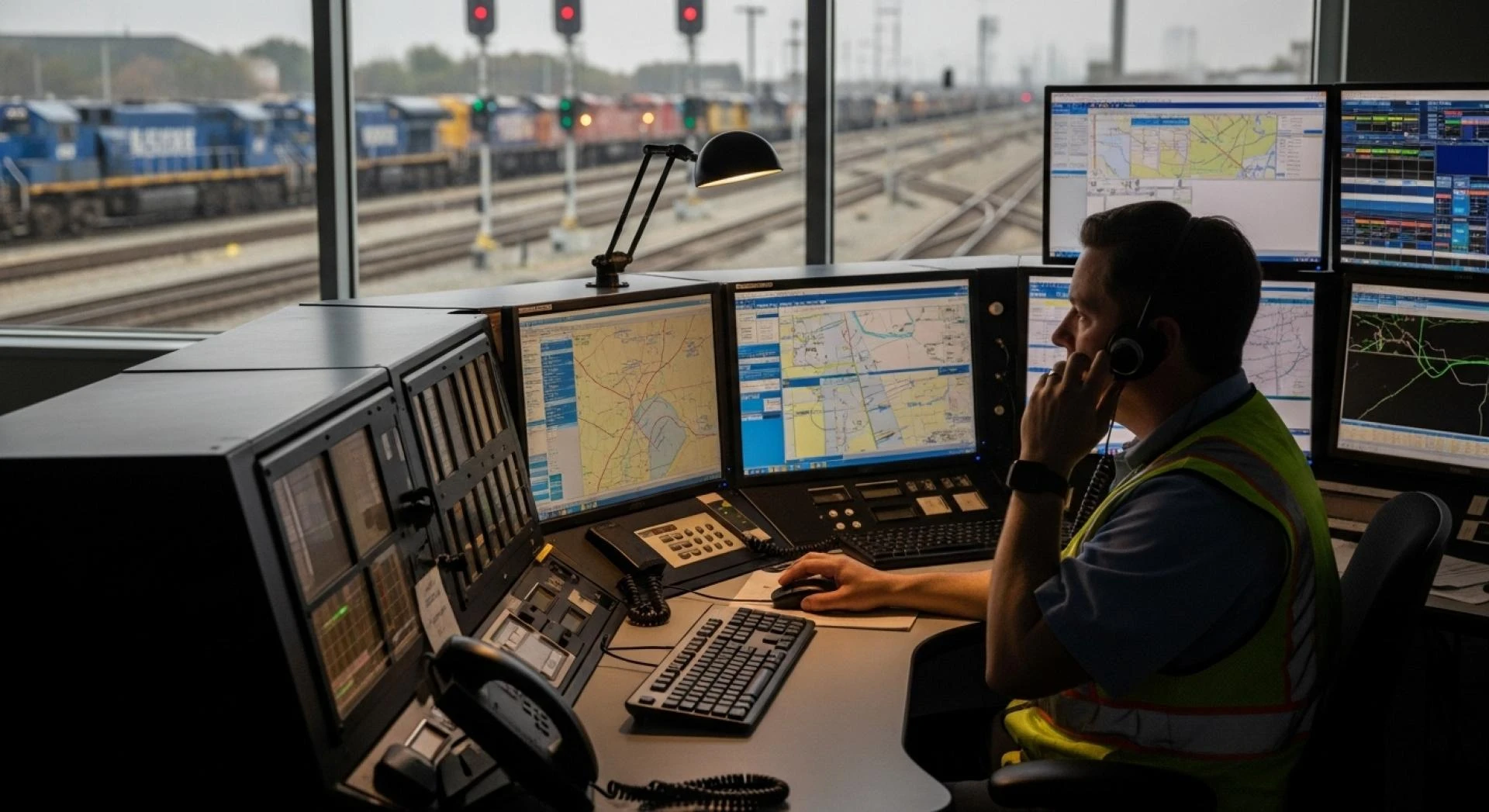
Dispatchers authorize train movement, prevent track conflicts, and keep traffic separated across active corridors. This kind of real-time rail traffic coordination is essential for avoiding operational bottlenecks and reducing risk.
2. Maintenance and Work Window Planning
Dispatchers also coordinate maintenance-of-way activity, so repair crews can work safely without creating avoidable disruption. When track time is managed well, railroads can protect infrastructure while keeping service moving.
3. Continuous Communication
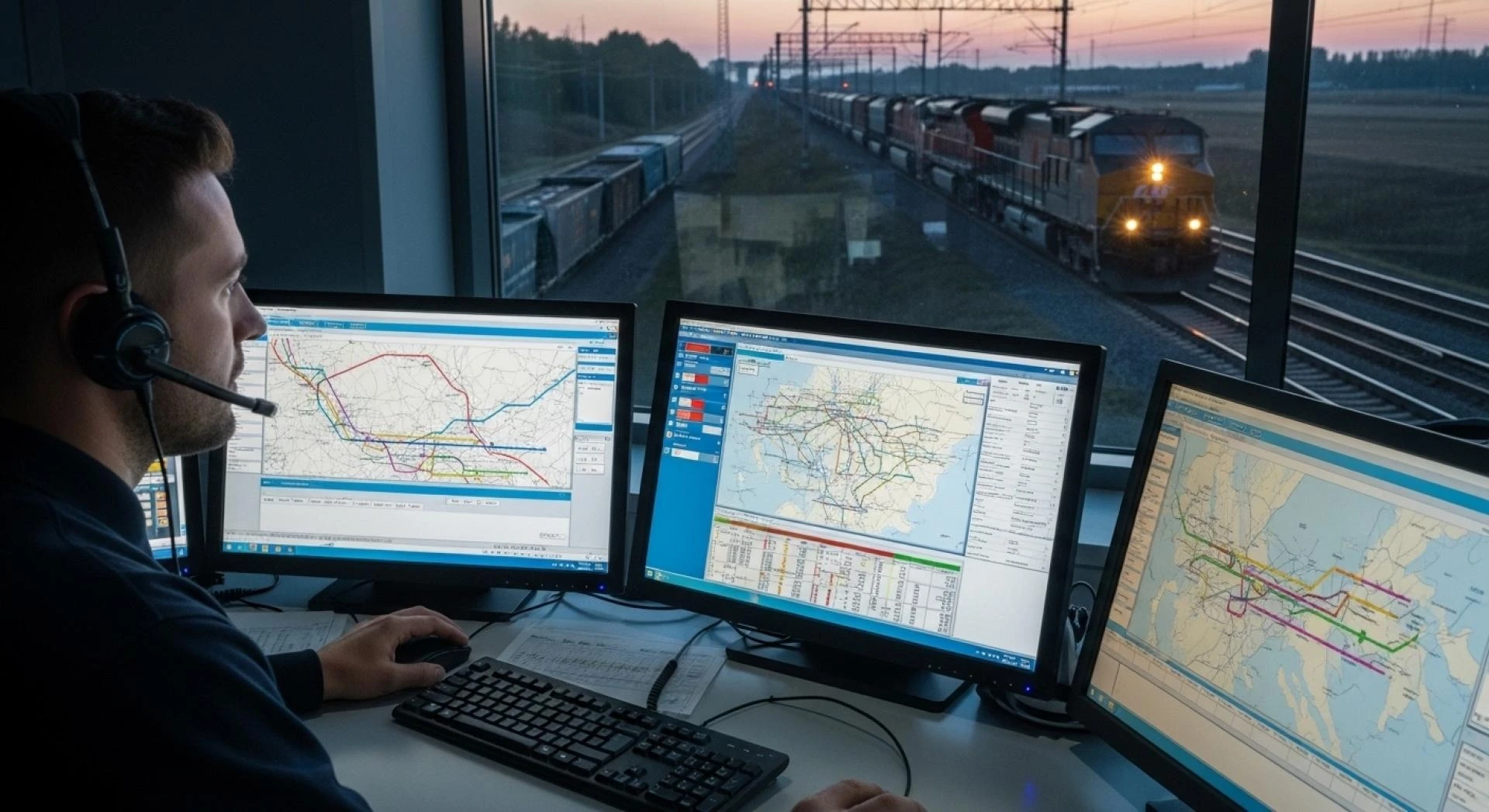
Strong dispatching depends on clear communication with crews, field teams, and operations managers. Fast updates help railroads adapt to weather issues, congestion, mechanical events, and schedule changes before they turn into bigger problems.
Why Railroads Gain More Than Safety
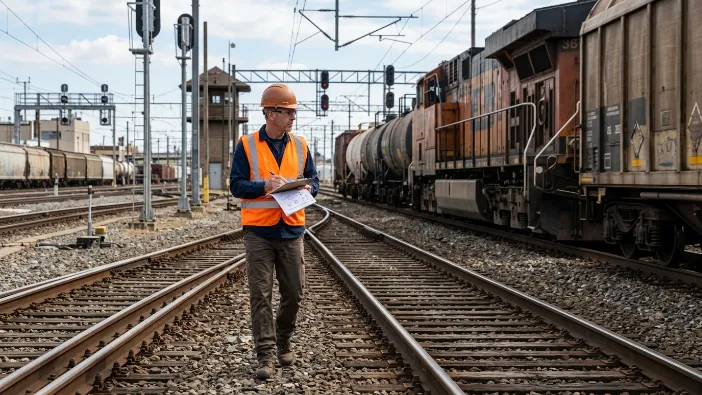
Safety remains the first priority, but the value of dispatching reaches further. The right contract train dispatching company can also improve operational predictability and cost control.
Key advantages include:
- Reduced staffing overhead compared with building a full in-house dispatch team.
- Flexible coverage during growth periods, special projects, or staffing gaps.
- Experienced decision-making during service interruptions or emergency scenarios.
- Better support for railroad operations safety management and internal reporting.
Dispatch quality also affects asset utilization. When trains move with fewer holds and cleaner sequencing, locomotives, crews, and railcars spend less time waiting and more time producing value. Even top railroad contractors depend on disciplined dispatch support to keep live operations and track work aligned.
Railroads also face growing scrutiny around documentation, procedure, and consistency. That is where a railroad compliance consultant can add value by helping align dispatch practices with operating rules, audit readiness, and communication protocols.
Among railroad contractor companies, dispatch specialists who understand both operations and compliance often deliver stronger long-term results.\
How to Choose the Right Dispatch Partner

When it comes to outsourcing train dispatching, choosing the right provider is just as important.
Look for a partner that offers:
- Proven experience with territory control, movement authority, and crew communication.
- Strong technology support, including visibility tools and modern dispatch systems.
- Scalable service models that can support railroads of different sizes.
- Clear emergency response procedures and around-the-clock coverage.
- Access to a railroad compliance consultant for process improvement and regulatory preparedness.
A capable provider should not simply react to train movement. It should help shape a smoother, more resilient operating plan.
Conclusion
Choosing the right contract train dispatching company can improve safety, sharpen communication, and make rail performance more predictable from day to day. For rail operators seeking dependable dispatch support backed by broader rail industry experience, RailRCS offers a practical solution, with service expertise that also connects to railcar management Janesville needs.
Railroads ready to strengthen control, improve compliance, and keep traffic moving with confidence can contact RailRCS today to put smarter dispatching into action.
FAQs
1) What does a contract train dispatching company do?
A contract train dispatching company manages train movement, track authority, communication, and work window coordination to keep rail operations safe and efficient.
2) How does outsourced train dispatching improve railroad safety?
It improves safety by reducing track conflicts, strengthening communication, and supporting faster response during disruptions or emergencies.
3) Is contract dispatching more cost-effective than in-house staffing?
Yes, in many cases it lowers labor and training costs while giving railroads access to experienced dispatch expertise on a flexible basis.
4) Why is compliance important in railroad dispatching?
Compliance helps railroads follow operating rules, maintain proper records, and reduce risk during audits, incidents, and day-to-day train control.
5) What should railroads look for in a dispatch service provider?
They should evaluate experience, technology, emergency readiness, communication standards, and the ability to support safe, scalable operations.



























Sign in to leave a comment.