

A business website can be one of a company’s most valuable digital assets, but only when it is designed around real business objectives. Modern customers expect websites to be fast, intuitive, trustworthy, and easy to use on every device. For businesses exploring practical approaches to website development, ecommerce, search visibility, and digital growth, Zain Saeed offers a useful example of how technical development can be connected with broader commercial goals.
Why Website Development Has Become a Strategic Investment
A website is no longer simply a digital location where customers can find a company’s phone number and address. It often serves as the first point of contact between a business and a potential customer. That first interaction can influence whether someone continues exploring, submits an inquiry, makes a purchase, or leaves for a competitor.
Effective development therefore requires more than attractive visuals. Information architecture, responsive layouts, accessibility, page speed, security, and conversion paths all contribute to the overall experience. A professional website should make it easy for visitors to understand what a business offers and what they should do next.
This becomes even more important for companies competing in crowded markets. When several businesses provide similar products or services, a polished and reliable digital experience can become a meaningful differentiator.
Choosing the Right Platform for Long Term Growth
Different businesses require different technical foundations. WordPress can provide considerable flexibility for service companies, publishers, organizations, and businesses that need control over their content. WooCommerce can extend that flexibility into ecommerce, while Shopify offers a more specialized environment for online stores.
For businesses requiring highly customized digital products, modern frameworks such as Next.js can provide greater control over application architecture, performance, and interactive functionality. Webflow can also be appropriate when visual control and streamlined content management are priorities.
The important consideration is not which platform is currently receiving the most attention. Instead, businesses should evaluate their budget, content workflow, integrations, expected traffic, ecommerce requirements, maintenance capabilities, and future expansion plans before making a decision.
Performance Should Be Built Into the Experience
Website speed affects much more than technical performance. It influences how quickly visitors can access information and how confidently they interact with a site.
Large images, unnecessary scripts, excessive plugins, poorly developed themes, and inefficient hosting can all create performance problems. A speed focused approach considers these factors during development rather than waiting until a website begins receiving poor performance reports.
Core Web Vitals also provide useful signals for understanding how visitors experience a website. Improving loading behavior, interaction responsiveness, and visual stability can contribute to a smoother browsing experience while supporting broader technical optimization efforts.
Combining SEO With Strong User Experience
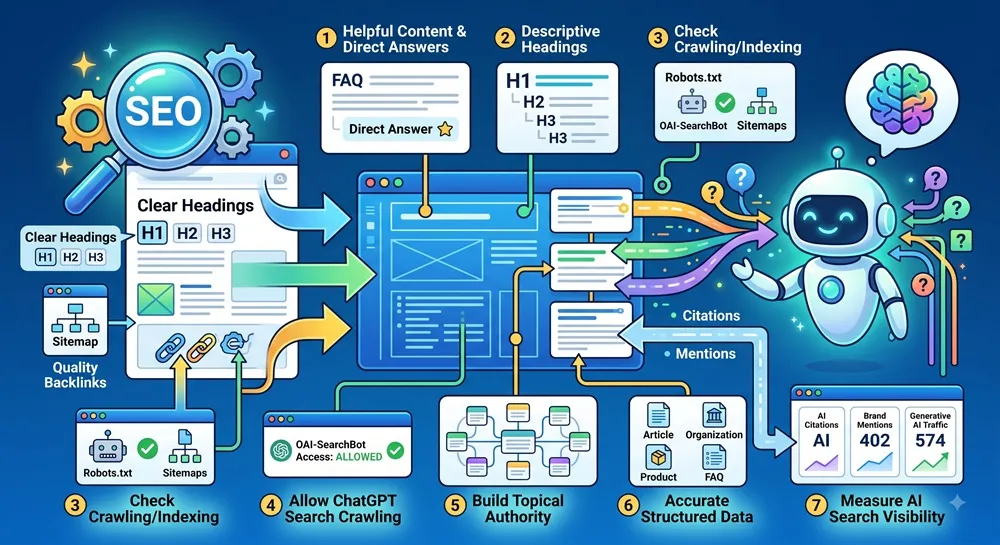
Search engine optimization is most effective when it works together with usability. A website may attract visitors through search results, but rankings alone do not guarantee business results. Visitors still need useful information, logical navigation, readable content, and clear opportunities to take action.
Technical SEO can address areas such as crawlability, indexing, structured page architecture, mobile performance, internal linking, and metadata. On page optimization can then strengthen individual pages through relevant content and clear search intent.
The strongest strategy avoids excessive repetition. Instead of forcing identical phrases into every section, businesses can build comprehensive resources that naturally cover related concepts, questions, services, and customer concerns.
Ecommerce Requires More Than Attractive Product Pages
Online stores have an additional challenge because every part of the customer journey can influence revenue. Product discovery, filtering, mobile navigation, product information, checkout, payment options, shipping details, and trust signals all need to work together.
A well designed ecommerce experience reduces friction. Customers should be able to understand products quickly, compare relevant options, and complete purchases without unnecessary obstacles.
Technical choices also matter. Custom storefront functionality, optimized product pages, sensible integrations, and performance improvements can help an online store remain responsive as its catalog and customer base expand.
Maintenance Protects the Investment
Launching a website is only the beginning. Software updates, security patches, backups, uptime monitoring, content changes, and performance checks are essential for maintaining a dependable digital presence.
Ignoring maintenance can gradually create technical debt. Plugins may become outdated, security vulnerabilities can emerge, and small performance issues can accumulate until they affect the entire website.
A structured maintenance process helps businesses address these problems before they become expensive emergencies. It also creates an opportunity to improve pages based on real user behavior and changing business requirements.
Digital Growth Depends on Continuous Improvement
A successful digital strategy should evolve according to evidence. Analytics can reveal which pages attract visitors, where users leave, which campaigns generate qualified traffic, and which conversion paths perform best.
These insights can inform landing page improvements, content updates, advertising decisions, technical changes, and new functionality. Search optimization can also be refined as customer behavior and competitive conditions change.
The goal is not to add features simply because they are available. Every improvement should ideally solve a recognizable problem, reduce friction, improve visibility, or contribute to a measurable business objective.
What Makes a Professional Digital Development Approach Different
The most valuable development work connects technology with commercial priorities. A developer should understand that a website is ultimately serving people, not merely displaying code.
Clear communication, realistic project scope, maintainable architecture, transparent expectations, and post launch support can all contribute to better outcomes. Businesses should also look beyond screenshots when evaluating development expertise. A website may look impressive while having poor performance or an unnecessarily complicated technical foundation.
The better approach considers design, development, search visibility, speed, security, maintenance, and conversion as interconnected parts of one digital system.
Frequently Asked Questions
What should businesses prioritize when building a new website
Businesses should prioritize clear objectives, user experience, responsive design, performance, security, content structure, search visibility, and future scalability.
Which platform is best for an online business
There is no universal answer. WordPress, Shopify, WooCommerce, Next.js, and other platforms can each be appropriate depending on the company’s technical and commercial requirements.
Why is website speed important
Fast websites provide a better browsing experience and can support search performance. Speed also reduces friction for visitors, particularly on mobile devices.
How often should a website be maintained
Maintenance should be ongoing rather than occasional. Updates, backups, security checks, performance monitoring, and content reviews help keep a website reliable.
Can SEO and website development be handled together
Yes. Integrating SEO into the development process can create a stronger technical foundation and reduce the need for expensive structural changes later.


























Sign in to leave a comment.