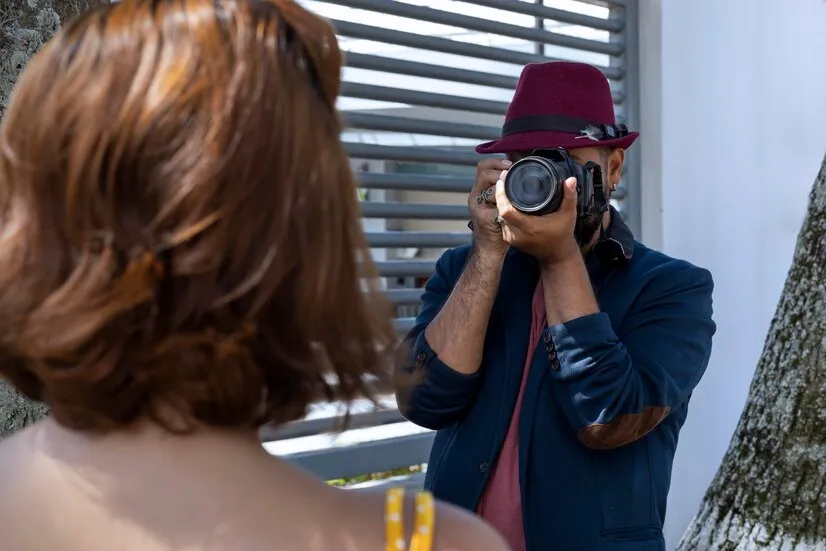

Conventions are dynamic, fast-paced environments where ideas are exchanged, brands are showcased, and connections are built. From keynote speeches and panel discussions to networking sessions and exhibition floors, every moment contributes to the overall experience. This is where convention photographers play a crucial role—documenting not just what happens, but how it feels.
Professional convention photography goes beyond simple documentation. It tells a cohesive story of the event, capturing its scale, energy, and purpose in a way that can be used for marketing, branding, and long-term engagement.
What Do Convention Photographers Do?
At their core, convention photographers are visual storytellers. Their responsibility is to capture the full spectrum of an event, from major highlights to subtle interactions.
Capturing Key Moments
Conventions often include keynote speeches, breakout sessions, and panel discussions. Photographers ensure these important moments are documented with clarity and professionalism, showcasing both speakers and audience engagement.
Documenting Attendee Engagement
Beyond the stage, conventions are about people—networking, learning, and collaborating. Photographers focus on candid interactions, capturing genuine moments that reflect the event’s atmosphere.
Highlighting Exhibitions and Booths
Exhibit halls are central to most conventions. Professional photography captures product displays, booth designs, and visitor engagement, providing valuable content for future promotions.
Why Convention Photography Is Essential
Building a Visual Narrative
A convention may last only a few days, but the images captured can tell its story for years. Photography helps organizations showcase their events to future attendees, sponsors, and stakeholders.
Supporting Marketing and Promotion
High-quality images are powerful marketing assets. They can be used across websites, social media, and promotional campaigns to increase visibility and engagement.
Enhancing Brand Credibility
Professional images reflect professionalism. Whether it’s a corporate conference or industry expo, strong visuals help reinforce brand identity and credibility.
Skills That Set Professional Convention Photographers Apart
Not all photographers are equipped to handle the complexity of conventions. These events require a unique combination of technical expertise and adaptability.
Ability to Handle Large-Scale Events
Conventions often involve thousands of attendees, multiple sessions, and large venues. Photographers must manage this complexity while ensuring consistent quality across all images.
Strong Technical Knowledge
Lighting conditions can vary significantly—from dimly lit conference halls to bright exhibition spaces. Professionals use advanced equipment and techniques to adapt to these challenges.
Anticipation and Timing
Experienced photographers understand event flow. They anticipate key moments, ensuring they are always in the right place at the right time.
Types of Shots Covered at Conventions
Keynote and Speaker Coverage
Capturing speakers on stage is essential for showcasing authority and thought leadership. These images are often used in press releases and promotional materials.
Breakout Sessions and Workshops
With multiple sessions happening simultaneously, photographers must strategically cover different areas to ensure comprehensive documentation.
Networking and Candid Moments
Some of the most valuable images come from informal interactions—conversations, laughter, and spontaneous connections.
Wide-Angle and Crowd Shots
Large-scale events benefit from wide shots that capture the size and energy of the audience, helping convey the event’s impact.
Planning for Successful Convention Photography
Pre-Event Coordination
Effective photography starts with planning. Photographers often work with event organizers to understand schedules, key moments, and specific requirements.
Creating a Shot List
A detailed shot list ensures that no important moment is missed. This may include VIP appearances, award ceremonies, or specific exhibitor highlights.
Collaboration with Event Teams
Convention photographers frequently coordinate with production teams, including lighting technicians and event planners, to achieve the best results.
Challenges in Convention Photography
Managing Scale and Complexity
Unlike smaller events, conventions involve multiple activities happening simultaneously. This requires careful coordination and sometimes a team of photographers.
Maintaining Consistency
Multi-day events demand consistent image quality across different sessions, locations, and lighting conditions.
Working in Fast-Paced Environments
Photographers must move quickly and adapt to changing situations while ensuring they don’t miss critical moments.
How Convention Photographers Add Value
Creating Long-Term Assets
The images captured at a convention can be reused for marketing campaigns, annual reports, and future event promotions.
Increasing Audience Engagement
Photos shared during or after the event help maintain momentum and keep audiences engaged.
Supporting Sponsors and Exhibitors
High-quality images of booths and interactions provide valuable content for sponsors, helping them measure and showcase their participation.
Trends in Convention Photography
Real-Time Image Delivery
Many events now require photographers to deliver images quickly, sometimes even during the event, for live social media updates.
Story-Driven Coverage
Rather than random snapshots, modern convention photography focuses on storytelling—capturing the journey of the event from start to finish.
Integration with Digital Marketing
Images are increasingly used as part of integrated marketing strategies, supporting everything from email campaigns to social media engagement.
Choosing the Right Convention Photographer
Selecting the right professional can make a significant difference in how your event is documented and remembered.
Experience with Similar Events
Look for photographers who have experience covering conventions or large-scale corporate events.
Portfolio and Style
Review past work to ensure their style aligns with your brand and event goals.
Flexibility and Communication
A good photographer adapts to changing schedules and communicates effectively with event organizers.
Conclusion
Conventions are complex, high-energy events that bring together people, ideas, and opportunities. Capturing these moments requires more than just technical skill—it demands experience, planning, and a deep understanding of event dynamics.
Professional convention photographers play a vital role in preserving these experiences, transforming them into visual stories that extend far beyond the event itself. Their work not only documents what happened but also amplifies the impact of the event through powerful imagery.
For organizations looking to maximize the value of their events, working with experienced teams like Proshots Events Photography can ensure that every important moment is captured with precision and purpose, helping create a lasting impression on audiences and stakeholders alike.

























Sign in to leave a comment.