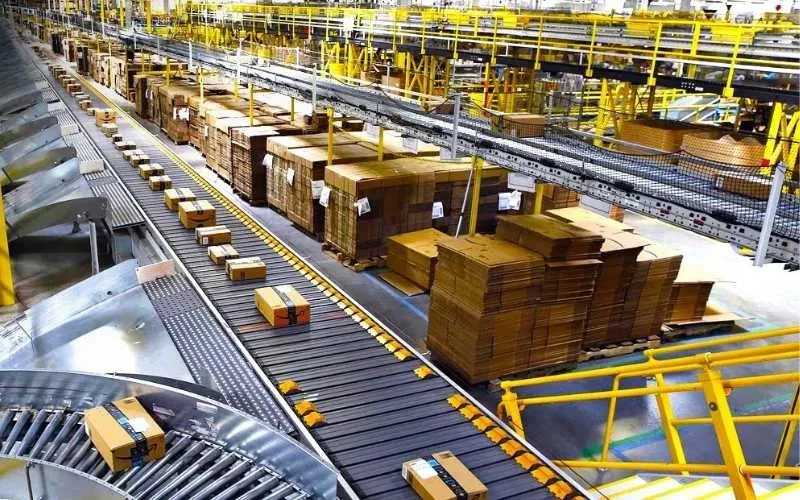
A conveyor chain is one of the oldest and most reliable methods for moving materials. It is built for strength, endurance, and flexibility, which is why it remains a key choice for industries that need to move heavy or awkward loads. Understanding chain design, the types available, and how to maintain them helps keep operations efficient and safe.
How a Conveyor Chain Works
At its core, a conveyor chain is a series of links joined together to form a continuous loop. Each link is designed to interlock with sprockets that guide the chain and keep it moving. Unlike belts, chains do not rely on friction alone. They use precise mechanical engagement with sprockets to handle heavy loads without slipping.
The central conveyor parts in a chain system include:
● Links: The connected plates and pins that form the chain itself.
● Rollers or bushings: Reduce friction as the chain engages with sprockets.
● Sprockets: Toothed wheels that guide and drive the chain.
● Attachments: Custom brackets or extensions that hold or push materials.
This design gives chains high strength and durability, especially in environments with heat, oil, or heavy impact.
Types of Conveyor Chain
Different industries rely on specific chain types to match their loads and conditions. Common options include:
● Roller chains: Standard designs used for general applications such as assembly lines or packaging. Rollers reduce friction and allow smoother movement.
● Engineering steel chains: Built for strength and impact resistance. Often used in mining, lumber, or automotive industries.
● Leaf chains: Made with stacked plates and pins for lifting and counterweight systems, such as in forklifts.
● Plastic chains: Lightweight and corrosion resistant. Used in food processing or clean environments where metal is not ideal.
● Attachment chains: Chains with brackets, clips, or extensions for carrying specific items or guiding products.
Choosing the right type depends on load weight, environmental conditions, and required speed.
Applications of Conveyor Chains
Because they handle stress and weight so well, chains are used in many industries:
● Automotive manufacturing: Moving car frames, engines, and heavy assemblies.
● Agriculture: Feeding systems, grain elevators, and harvesting equipment.
● Food processing: Sanitary plastic or stainless steel chains for conveyors in production lines.
● Mining and heavy industry: Handling raw materials, coal, or ore in harsh conditions.
● Packaging and distribution: Moving cartons, pallets, or bulky goods reliably.
In each case, the chain works as part of a system of conveyor parts that must fit together precisely.
Strength and Durability
One of the main advantages of a conveyor chain is its ability to handle heavy loads. The design spreads weight across multiple links, reducing stress on individual parts. Engineering steel chains, for example, can handle shock loads that would damage belt conveyors.
Chains are also resistant to heat and chemicals, making them suitable for ovens, foundries, or chemical plants. While belts may slip or stretch, chains keep their form and power through complex environments.
Maintenance Tips for Long Life
Like all conveyor parts, chains need regular care to stay efficient. Poor maintenance can lead to downtime, safety risks, and expensive repairs. Key practices include:
Lubrication
○ Apply the right lubricant to reduce friction between pins, bushings, and rollers.
○ In food environments, use food-grade lubricants to meet safety standards.
Inspection
○ Check for elongation, which happens when pins and bushings wear down.
○ Look for signs of rust, cracks, or damaged attachments.
○ Inspect sprockets since worn teeth can damage the chain.
Cleaning
○ Remove dirt, debris, or corrosive materials that may build up between links.
○ In clean industries, wash and sanitize plastic or stainless-steel chains regularly.
Tension and alignment
○ Keep the chain at the correct tension to avoid slipping or excess wear.
○ Make sure sprockets are aligned to prevent uneven stress.
Replacement planning
○ Chains have a predictable lifespan. Tracking usage and wear helps schedule replacements before breakdowns occur.
By following these steps, operators can extend the service life of a conveyor chain and reduce the risk of sudden failures.
When to Replace Conveyor Chains
Even with good maintenance, chains eventually wear out. Common signs of needed replacement include:
● Visible elongation or sagging between sprockets.
● Excessive noise from rollers or links.
● Frequent chain jumping or misalignment.
● Broken or cracked attachments.
Replacing chains on schedule, along with worn sprockets or other conveyor parts, ensures the system continues to operate smoothly. The conveyor chain remains a vital tool in modern industries because of its strength, adaptability, and reliability. With many types available, it serves applications from automotive plants to food processing facilities. Like all essential conveyor parts, chains need proper care through lubrication, inspection, cleaning, and alignment. By understanding their design, applications, and maintenance needs, warehouses and factories can keep their conveyor systems running safely and efficiently for years to come.




























Sign in to leave a comment.