The beauty and personal care industry is thriving, with thousands of new skincare, haircare, fragrance, and cosmetic products entering the market each year. But behind every successful product is a detailed regulatory framework designed to ensure product safety and protect consumers. For businesses selling in the UK and EU, understanding Cosmetic Regulatory Compliance is not just beneficial—it is legally essential.
Whether you are a startup launching your first product, a manufacturer expanding internationally, or a brand owner managing a growing portfolio, this guide explains everything you need to know about cosmetic regulations, responsibilities, documentation, and how to stay compliant in 2025 and beyond.
What Is Cosmetic Regulatory Compliance?
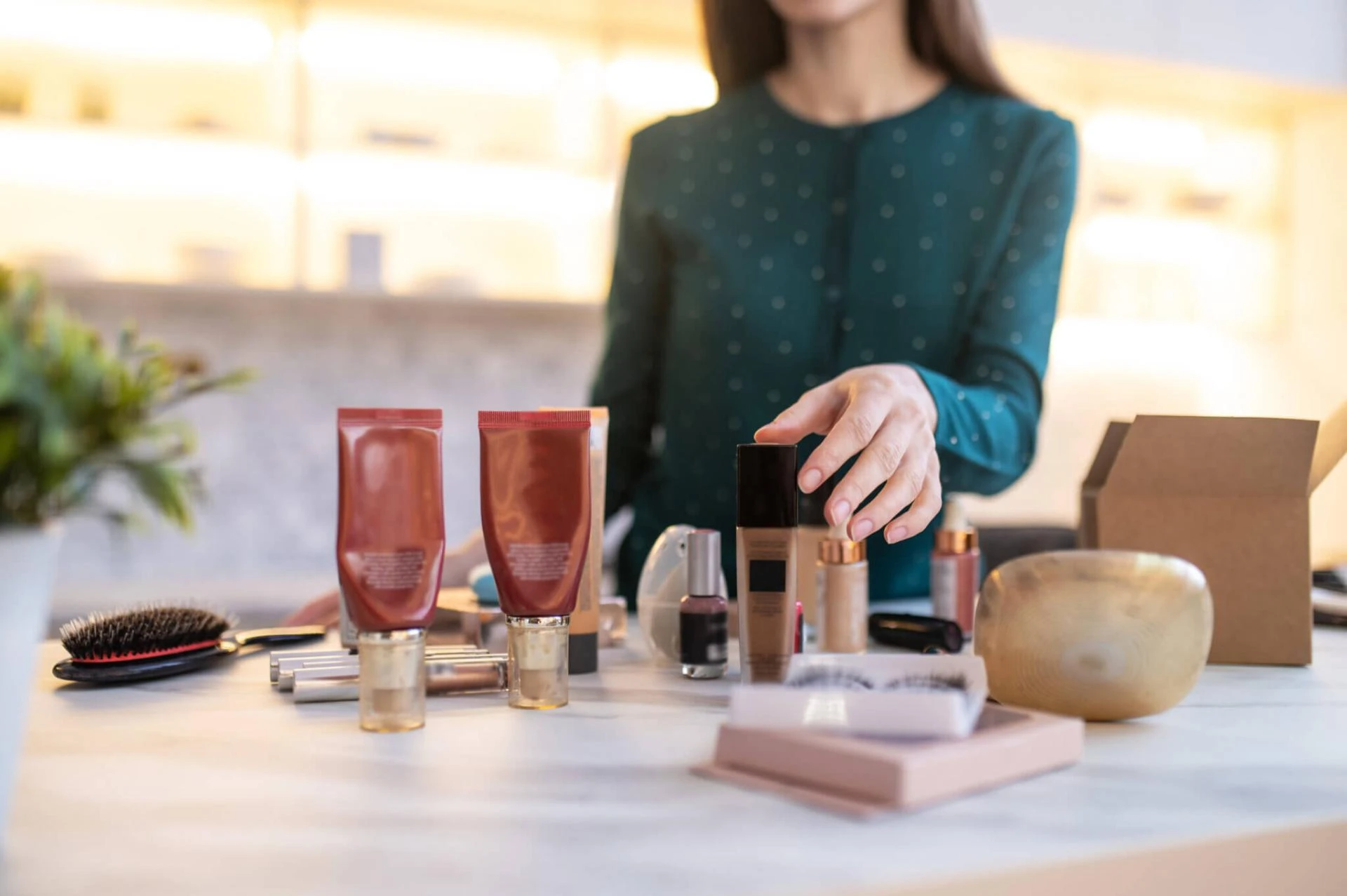
Cosmetic regulatory compliance refers to the process of ensuring that cosmetic products meet all legal, safety, and documentation requirements before being placed on the market. This applies to products such as:
- Skincare
- Haircare
- Makeup
- Fragrances
- Personal hygiene products
- Body care
- Nail products
Cosmetic regulations protect consumer health by ensuring that ingredients, formulations, manufacturing processes, labels, and marketing claims are safe and truthful.
Why Cosmetic Regulatory Compliance Matters
✔ Legal Requirement
Cosmetic laws in both the UK and EU are strictly enforced. Non-compliant products can be removed from the market, recalled, or result in fines.
✔ Consumer Safety
Regulations prevent the sale of unsafe ingredients, allergens, contaminants, or misleading claims.
✔ Brand Protection
Compliance enhances credibility, trust, and long-term brand reputation.
✔ Market Access
Retailers, distributors, and international marketplaces require proof of compliance before stocking products.
Understanding UK & EU Cosmetic Regulations
Cosmetic laws differ slightly between the UK and EU, especially after Brexit. Businesses targeting both markets must comply with separate regulations.
1. UK Cosmetic Regulation (Post-Brexit)
Governed by:
Schedule 34 of The Product Safety and Metrology Regulations 2019
The UK system mirrors the former EU Cosmetic Regulation but requires:
- A UK Responsible Person (RP)
- Notification through the SCPN portal
- A UK-based address on product labels
- UK-specific Product Information Files (PIFs)
2. EU Cosmetic Regulation (Regulation (EC) No. 1223/2009)
To sell in the EU, brands must:
- Appoint an EU Responsible Person
- Notify products via the Cosmetic Product Notification Portal (CPNP)
- Maintain an EU-compliant PIF
- Meet EU-approved ingredient and label requirements
While similar to UK rules, the two systems are now completely separate.
Key Requirements for Cosmetic Regulatory Compliance
Cosmetic regulatory compliance involves several critical responsibilities.
1. Appointing a Responsible Person
A Responsible Person (RP) is legally responsible for ensuring product safety and compliance.
You must have:
- A UK RP for UK sales
- An EU RP for EU sales
The RP oversees product safety, documentation, testing, notifications, and interactions with authorities.
2. Cosmetic Product Safety Report (CPSR)
Before launch, each product must undergo a professional safety assessment including:
- Toxicology of ingredients
- Concentrations used
- Exposure analysis
- Restrictions and allergen checks
- Impurities and contaminants
- Microbiological safety
The CPSR is a legally required scientific document prepared by a qualified assessor.
3. Product Information File (PIF)
The PIF is the core compliance document containing:
- CPSR
- Manufacturing information (GMP)
- Label artwork
- Claims substantiation
- Product description
- Adverse effects monitoring system
The PIF must be stored for 10 years after a product is placed on the market.
4. Notification to Authorities
UK – SCPN Portal
Each product must be submitted to the UK Office for Product Safety and Standards.
EU – CPNP Portal
Products must be notified before sale in any EU country.
Failure to notify results in immediate non-compliance.
5. Labelling and Packaging Compliance
Labels must include:
- INCI ingredient list
- Country of origin
- Nominal content
- PAO or expiry date
- Usage warnings
- Batch number
- RP’s name and address (UK or EU)
Incorrect labels are one of the most common compliance failures.
6. Claims Substantiation
Marketing claims must be supported by evidence. Examples:
- “Dermatologically tested” → requires dermatological testing
- “Organic” → must meet organic certification rules
- “Hypoallergenic” → must show reduced allergen potential
Misleading claims can result in enforcement action.
7. Good Manufacturing Practices (GMP)
Products must be manufactured under ISO 22716 guidelines to ensure consistent quality and safety.
Why Brands Work With Cosmetic Regulatory Compliance Specialists
Most businesses choose expert regulatory consultants because compliance is technical, time-consuming, and legally complex.
Benefits include:
✔ Accurate Documentation
No missing or incorrect PIF components.
✔ Faster Market Launch
Avoid delays caused by incorrect safety reports or labels.
✔ Reduced Compliance Risk
Protect your brand from recalls, fines, and regulatory intervention.
✔ Expert Legal and Scientific Knowledge
Consultants stay updated on ingredient bans, allergens, and regulatory updates.
✔ Support for Global Brands Entering the UK/EU
International businesses benefit from local regulatory representation.
Common Compliance Challenges for Cosmetic Brands
- Not understanding ingredient restrictions
- Using non-compliant preservatives or colorants
- Incomplete PIF documentation
- Incorrect label formats
- No evidence for marketing claims
- Failure to appoint an RP
- Missing notifications
These errors can delay or prevent market entry, making specialist support invaluable.
How to Ensure Smooth Cosmetic Regulatory Compliance
✔ Start compliance early in product development
✔ Work with a qualified safety assessor
✔ Prepare PIFs before production
✔ Review label artwork carefully
✔ Keep documentation up to date
✔ Use a professional UK/EU Responsible Person service
✔ Monitor ingredient regulatory updates
Conclusion
Cosmetic regulatory compliance is an essential part of launching and maintaining successful cosmetic products in the UK and EU. From CPSRs and PIFs to labelling rules and ongoing monitoring, compliance ensures safety, legality, and consumer trust.
As regulations continue to evolve, many brands rely on experts to manage the complexity and ensure smooth, stress-free access to the market. Whether you are a new beauty startup or a global skincare brand, investing in professional cosmetic regulatory compliance services protects your business and supports long-term growth.



























Sign in to leave a comment.