
Long-term construction projects are often marked by strict budgets, tight schedules, and the constant pressure to maintain efficiency. With multiple phases of work, costs can quickly add up if resources are not managed strategically. Contractors must therefore look for solutions that reduce financial burdens while maintaining safe and reliable site operations.
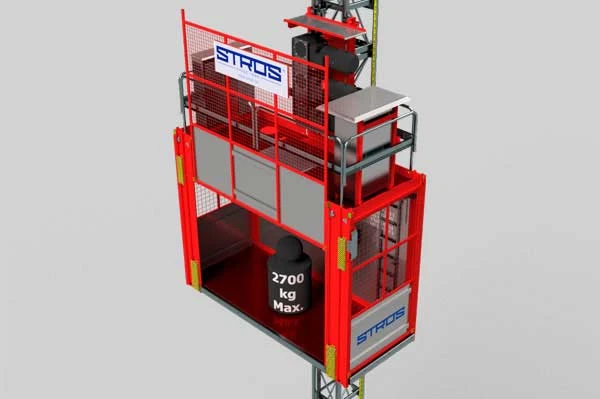
This is where the buck hoist plays a vital role. By offering efficient vertical transport for both personnel and materials, the buck hoist elevator has become an indispensable tool for managing expenses in long-duration projects across Canada and the USA.
What is a Buck Hoist Elevator?
A buck hoist elevator is a temporary rack-and-pinion lift designed to carry workers, tools, and construction materials vertically on job sites. Unlike permanent elevators, these systems are assembled externally and disassembled once the project is complete. Their adaptability and efficiency make them a preferred solution for large-scale and long-term builds.
Lower Upfront Investment Compared to Permanent Installations
Permanent elevators involve significant capital investment and ongoing maintenance. In contrast, renting or deploying a buck hoist elevator for the duration of a project costs far less upfront. This provides contractors with the vertical access they need without committing resources to permanent infrastructure.
Reducing Labor Costs Through Efficient Material and Worker Transport
Manual transport of materials and tools across multiple floors wastes valuable time and labor. A buck hoist reduces these inefficiencies by moving people and heavy loads quickly between levels. The time saved directly translates into reduced labor hours and overall cost savings throughout the life of the project.
Minimizing Equipment Wear and Damage on Job Sites
Heavy equipment and materials often need to be lifted to great heights. Without a dedicated system, makeshift solutions can damage machinery or cause premature wear. A buck hoist elevator minimizes this risk by providing controlled, reliable lifting, helping protect both materials and valuable equipment from costly damage.
Compliance and Safety: Avoiding Costly Accidents
Workplace accidents lead to significant financial consequences, including delays, fines, and liability claims. By using a buck hoist elevator that meets OHSA and CSA standards in Canada and OSHA requirements in the USA, contractors ensure compliance while protecting workers. Safer operations ultimately reduce the likelihood of costly accidents and project disruptions.
Long-Term ROI: Buck Hoists vs. Alternative Lifting Methods
Alternative lifting methods, such as cranes or scaffolding systems, may serve short-term needs but often come at higher costs in the long run. A buck hoist elevator offers consistent vertical access for both people and goods, delivering better long-term return on investment for projects that extend over months or years.
Renting vs. Buying Buck Hoist Elevators for Long-Term Projects
For extended projects, contractors often debate whether to rent or buy. Renting a buck hoist elevator allows companies to avoid ownership costs such as storage and maintenance. However, purchasing may be beneficial for firms that consistently manage large-scale builds. Evaluating project duration and frequency helps determine the most cost-effective strategy.
Buck Hoists as a Cost-Saving Strategy in Construction
Long-term construction projects demand solutions that balance safety, efficiency, and cost. The buck hoist provides a reliable answer by reducing labor expenses, minimizing risks, and offering a strong ROI compared to alternative methods. Whether rented or purchased, these systems remain a practical choice for contractors across Canada and the USA.
UCEL Inc. delivers durable buck hoist elevators designed to meet the needs of long-term construction projects. Contact UCEL Inc. today to secure cost-effective lifting solutions for your site.











Sign in to leave a comment.