

Introduction
Navigating the world of Amazon can be daunting, especially when it comes to optimizing product listings to catch the eye of potential buyers. Amazon SEO plays a pivotal role in how products are discovered, influencing buyer decisions and ultimately, sales figures. However, achieving this doesn\'t necessarily require a hefty investment. In this blog, we will explore various cost-effective Amazon SEO strategies that not only fit your budget but also significantly enhance your product visibility and sales potential on Amazon. Whether you\'re a small business owner or a seasoned seller, mastering these strategies can help you compete effectively without draining your resources. Let\'s dive into how you can achieve efficient Amazon listing optimization and improve your Amazon search rank affordably.
Understanding Amazon SEO Basics
Amazon SEO isn\'t just about stuffing your product listings with keywords; it involves a nuanced understanding of Amazon\'s A9 algorithm, which prioritizes customer relevance and satisfaction. To navigate this efficiently, here are the basics you should focus on:
- Keyword Research:
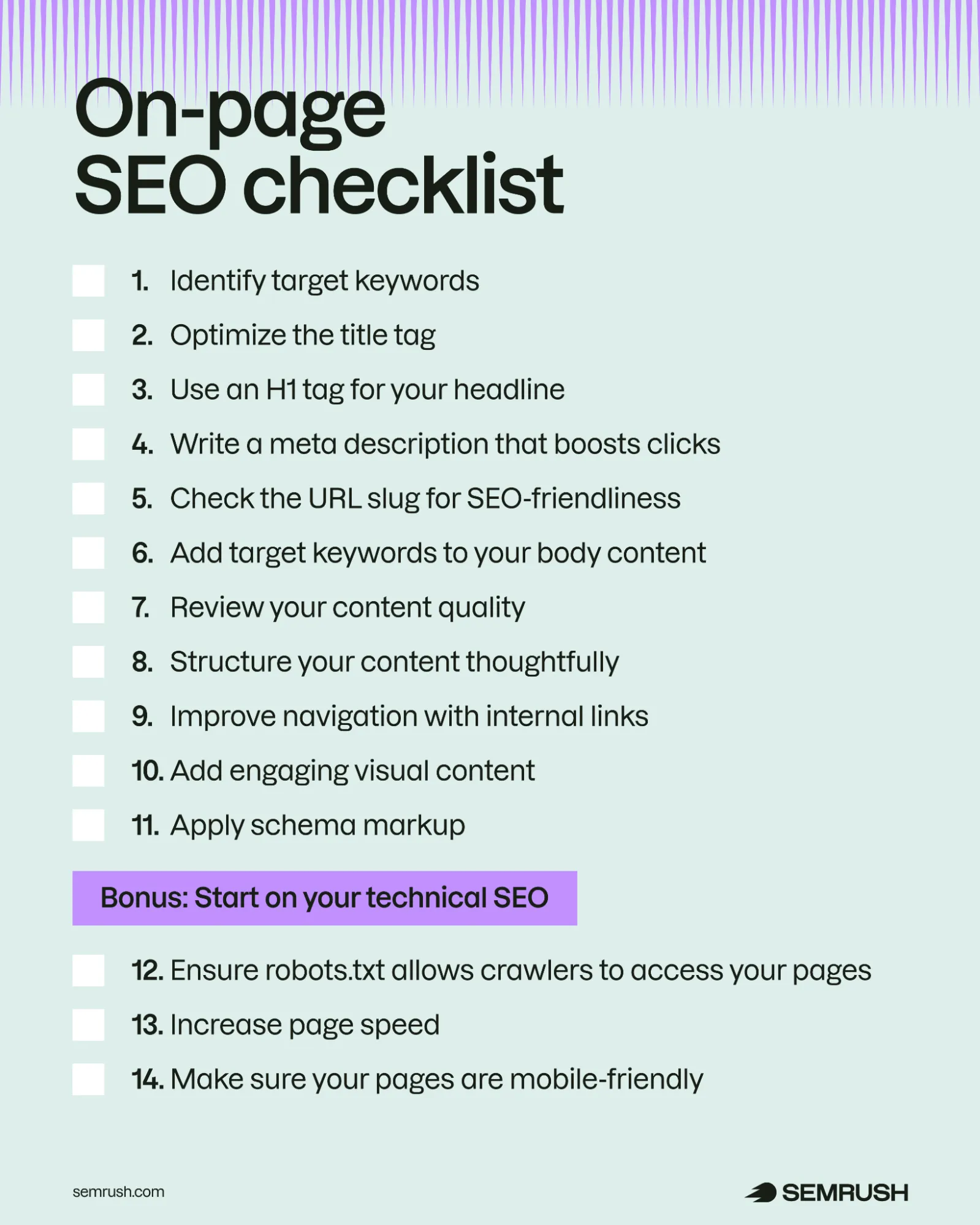
Understanding what your potential customers are searching for is crucial. Begin with comprehensive keyword research to identify terms that are not only relevant but also profitable. Tools like Google Keyword Planner can offer insights, even though they\'re not Amazon-specific. These keywords should then be strategically placed in your product title, description, and backend search terms to maximize visibility.
- Product Titles:
Your product title is the first impression you make on a potential buyer. It needs to be informative yet concise, incorporating the most important keywords without appearing spammy. Amazon allows for a maximum of 200 characters in titles, so choose words that deliver the most impact.
- Product Descriptions and Bullet Points:
These provide detailed information about the product and help persuade browsers to make a purchase. Bullet points should highlight the key features and benefits, using relevant keywords naturally. Meanwhile, the description should offer a deeper insight into the product, enhancing the narrative with targeted keywords to help boost the listing\'s SEO.
- Backend Keywords:
Amazon also allows sellers to use backend keywords—these are keywords that are not visible to customers but are indexed by Amazon. This is a good place to include all relevant keywords that didn’t fit naturally in the visible listing sections.
Understanding these elements forms the foundation of effective Amazon SEO. With this groundwork, sellers can start to optimize their listings in a way that aligns with Amazon\'s algorithms, ensuring that their products reach their target audience more effectively.
Setting a Budget for Amazon SEO
Investing in Amazon SEO is essential, but it doesn\'t have to be expensive. Understanding how much to spend and where to allocate your resources can make a significant difference in your SEO effectiveness and overall sales performance on Amazon. Here\'s how you can set a budget that aligns with your business goals:
- Understand Your Needs:
Before setting a budget, evaluate the current state of your listings and your specific goals. Are you launching a new product, or are you trying to improve the ranking of an existing one? The scope of your project will determine the extent of SEO effort required.
- SEO as an Investment:
Consider SEO as an investment rather than a cost. Effective SEO leads to higher visibility, which can significantly increase sales. However, the returns will not be immediate. Set realistic expectations about the timeframe for seeing results, as SEO efforts typically take a few months to impact rankings significantly.
- Scale According to Size:
For small to medium businesses, it might not be feasible to invest heavily in advanced SEO tools or professional services initially. Start with basic, cost-effective strategies and tools that can help you understand the process and gradually improve your listings. As your sales and budget grow, you can consider scaling up your SEO efforts.
- Allocate Budget Wisely:
Determine how much you are willing to spend monthly or annually on Amazon SEO. Allocate your budget across different areas like keyword research tools, professional photography for your products, and perhaps consulting with an Amazon SEO expert if needed. There are affordable options and free tools available that can significantly aid your SEO without breaking the bank.
Setting a realistic budget for Amazon SEO requires understanding your business’s unique needs and the potential ROI of your SEO efforts. By starting small and scaling as needed, you can manage your expenditures while still improving your Amazon search rank and visibility
Cost-Effective Strategies for Amazon SEO
Optimizing your Amazon listings doesn\'t have to drain your wallet. Here are some effective, budget-friendly strategies that you can implement to enhance your product visibility and improve your Amazon search rank:
- Keyword Research and Optimization:
- Use Free Tools: Start with free or low-cost keyword research tools like Sonar, Google Trends, and Keyword Tool Dominator to find relevant keywords for your products.
- Strategic Placement: Once you\'ve identified your keywords, incorporate them into your product title, bullet points, description, and backend keywords. Ensure the placement is natural and enhances readability.
- Enhancing Product Descriptions and Images:
- DIY High-Quality Images: Instead of hiring a professional photographer, consider taking high-resolution images yourself using a good quality camera or smartphone. Good lighting and plain backgrounds can elevate the quality significantly.
- Write Compelling Descriptions: Craft descriptions that tell a story about the benefits and features of your product. Use bullet points to break down the key features clearly, incorporating keywords naturally.
- Leveraging Customer Reviews:
- Encourage Reviews Ethically: Follow Amazon’s guidelines to encourage customers to leave reviews. This can be through follow-up emails or inserts in your packaging that remind buyers to leave feedback.
- Engage with Reviews: Respond to customer reviews, both positive and negative. This not only shows good customer service but also signals to Amazon that you are an active and responsive seller, which can help improve your SEO.
- Utilize Amazon’s Fulfillment Options:
- Consider FBA: Using Fulfillment by Amazon (FBA) can improve your listings\' visibility as Amazon tends to prioritize products that offer Prime shipping. Although there is a cost involved, the increased exposure and improved customer service might justify the investment.
- Continuous Optimization:
- Monitor and Adjust: SEO isn’t a set-it-and-forget-it strategy. Regularly review your listings to adjust keywords, update images, and refine your descriptions as you gather more data on what works and what doesn’t.
These strategies represent a mix of DIY approaches and strategic investments that balance cost with potential benefits. They are designed to maximize your Amazon listing optimization without requiring substantial upfront spending.
DIY vs. Hiring Professionals
When it comes to Amazon SEO, deciding whether to do it yourself or hire a professional can significantly impact both your budget and your results. Here are some considerations to help you make this important decision:
- Assess Your Skills and Resources:
- DIY Approach: If you have a tight budget and are willing to learn, taking the DIY route can be a good start. There are plenty of resources and tools available that can guide you through the process of optimizing your Amazon listings. This approach is beneficial if you have more time than money at your disposal.
- Professional Services: Hiring an Amazon SEO expert can be advantageous if you lack the time or specific knowledge to optimize your listings effectively. Professionals can bring in-depth experience and insights that can drastically improve your visibility and sales faster.
- Cost Considerations:
- In-House Costs: Doing SEO yourself or in-house will primarily cost time and perhaps the price of some basic tools or software. This could be a substantial saving over hiring an agency or consultants.
- Hiring Costs: While more expensive, hiring a professional or agency typically brings more immediate and potent results. They can efficiently handle all aspects of Amazon SEO, from keyword research to strategic planning and execution.
- Long-Term vs. Short-Term Goals:
- DIY for Learning and Control: If you’re looking to build in-house capabilities and maintain control over every aspect of your strategy, starting with a DIY approach can be valuable. It allows for gradual improvement and deeper understanding.
- Professionals for Scaling Quickly: If your goal is to scale your business quickly or handle a large volume of listings, professional help can fast-track your success, leveraging their experience and existing tools.
- Risk vs. Reward:
- Managing Risk: Doing SEO yourself has lower financial risks but could lead to slower or less optimized results.
- Maximizing Reward: Professionals minimize the risk of underperformance and maximize the potential rewards through optimized and up-to-date strategies that adhere to Amazon\'s changing algorithms.
Decision Points:
- Budget: How much can you afford to spend?
- Time: Do you have the time to invest in learning and applying SEO practices?
- Complexity of Needs: Are your SEO needs simple enough to handle in-house, or do they require specialized knowledge?
Considering these factors will help you determine the best approach for your Amazon SEO needs, balancing cost-effectiveness with potential outcomes.
Tools and Resources for Cost-Effective Amazon SEO
To optimize your Amazon listings effectively while keeping costs down, it\'s essential to know about the tools and resources available that can aid in your SEO efforts. Here’s a roundup of some useful, budget-friendly options:
- Keyword Research Tools:
- Sonar: A free tool specifically for Amazon that provides keyword suggestions based on real search queries from Amazon shoppers.
- Keyword Tool Dominator: Offers a limited free version that can help you discover long-tail keywords for Amazon products.
- Google Keyword Planner: While not Amazon-specific, it\'s free and can help identify keyword trends and ideas that may apply to your Amazon listings.
- Optimization Tools:
- Helium 10: Offers a suite of SEO tools that includes everything from keyword research to listing optimization. It has both free and paid plans, making it accessible for different budget levels.
- Jungle Scout: While primarily a product research tool, it also offers features for tracking keywords and optimizing listings. This tool is especially useful for competitive analysis and strategic decision-making.
- Image Editing Software:
- Canva: An easy-to-use graphic design tool with a free version that can be used to create professional-looking images for your listings.
- GIMP: A free, open-source image editor that provides robust features similar to Photoshop.
- Review Management:
- Feedback Whiz: Offers tools for managing reviews and automating communication with customers, which is crucial for maintaining a positive Amazon presence. It provides both free and paid plans.
- Learning Resources:
- Amazon Seller Central: Contains free resources and guides on best SEO practices and how to optimize listings effectively.
- Udemy and Coursera: Frequently offer courses on Amazon SEO at a low cost, which can be a great way to get structured learning from industry experts.
- Professional Consultation:
- If considering professional help, look for consultants or agencies that offer free initial consultations. This can provide valuable insights into what services you might need without committing financially upfront.
Using these tools and resources can significantly enhance your ability to manage Amazon SEO in a cost-effective manner. By combining the right tools with a strategic approach, you can improve your listings\' visibility and performance without a large investment.
Case Studies and Success Stories
Exploring real-world success stories can provide valuable insights into how cost-effective Amazon SEO strategies can be implemented with great success. Here are a couple of case studies that highlight the impact of strategic SEO efforts on Amazon sales:
- Startup Success with Basic Tools:
- Company Overview: A small startup selling eco-friendly cleaning products wanted to increase their Amazon sales without a large marketing budget.
- Strategy Implemented: They focused on in-depth keyword research using free tools like Sonar and incorporated these keywords into their product titles, descriptions, and backend keywords. They also took advantage of Amazon\'s FBA program to improve delivery times and customer satisfaction.
- Outcome: Within six months, their main product moved from page 20 to page 1 for several key search terms, resulting in a 300% increase in sales.
- Mid-Size Company Leveraging Customer Reviews:
- Company Overview: A mid-size apparel company noticed a stagnation in their Amazon sales and sought ways to improve their SEO without significant investment.
- Strategy Implemented: The company crafted a follow-up email campaign to ethically encourage satisfied customers to leave reviews. They also responded actively to all customer feedback, addressing concerns and thanking customers for positive reviews.
- Outcome: This approach significantly improved their product ratings and visibility, leading to a 50% sales increase over the next year.
These examples demonstrate that with the right strategies, even companies with limited budgets can achieve significant improvements in their Amazon SEO performance. By focusing on thorough keyword research, leveraging customer reviews, and optimizing product listings, businesses of all sizes can enhance their online presence and increase sales.
Conclusion
Throughout this blog, we\'ve explored a variety of cost-effective strategies for enhancing Amazon SEO, from the basics of keyword optimization to leveraging customer reviews and using free or affordable tools. These tactics are designed not only to improve your product visibility and search ranking on Amazon but also to do so without requiring a large financial investment. Whether you choose to handle your Amazon SEO in-house or opt for professional assistance, the key is to start small, measure your results, and continuously optimize based on data-driven insights.
Call to Action
Now that you are equipped with the knowledge and tools to boost your Amazon listings effectively and affordably, why not start today? Begin by reviewing your current listings with the new insights in mind, update your keywords, enhance your product descriptions, and maybe take some fresh product photos. Remember, every small step can lead to better visibility and increased sales.
If you\'re looking for more personalized advice or need help implementing these strategies, don\'t hesitate to reach out to a professional Amazon SEO consultant. They can provide tailored guidance to suit your specific needs and goals.
Start optimizing today, and watch your Amazon business grow!
























Sign in to leave a comment.