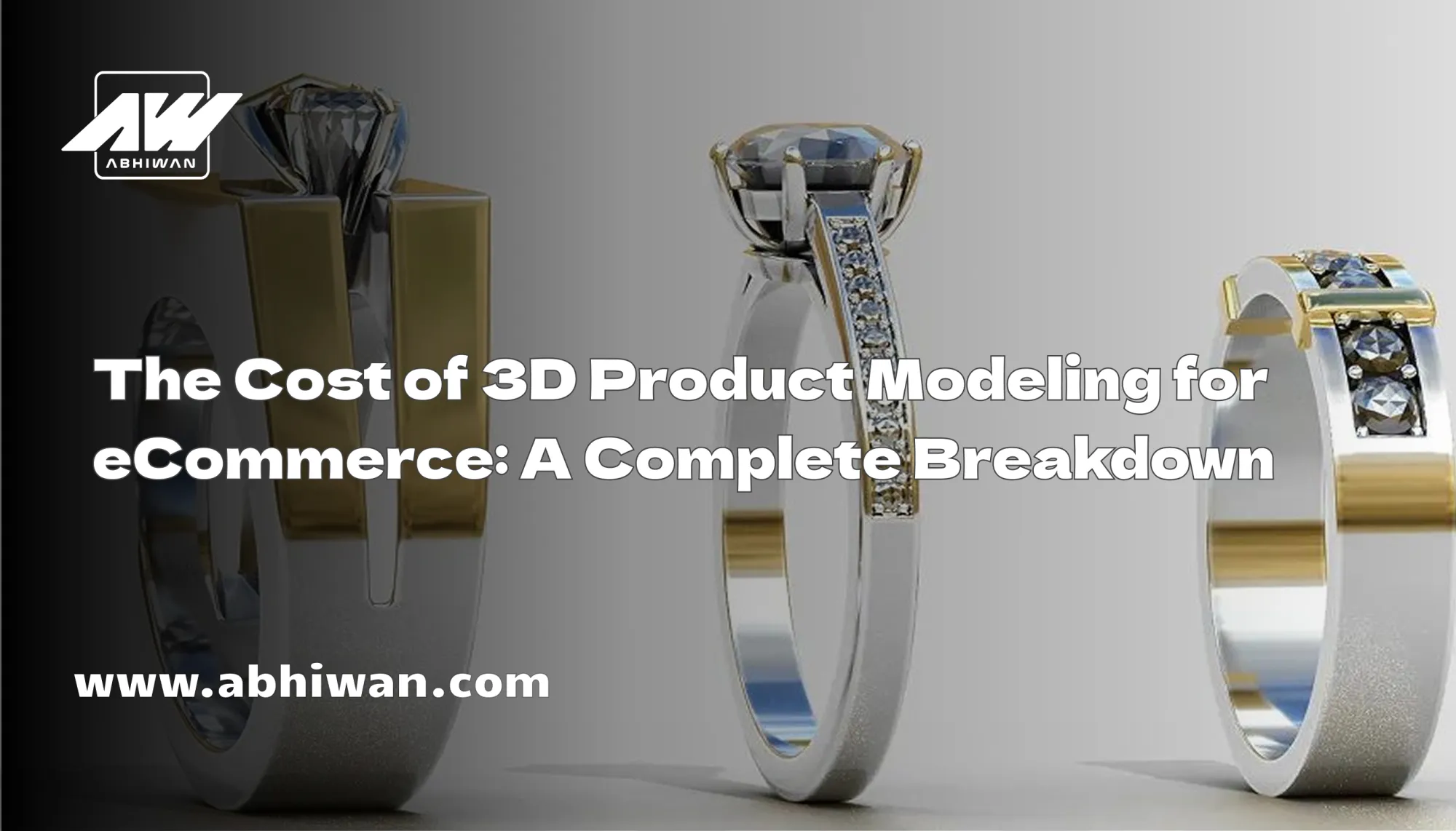
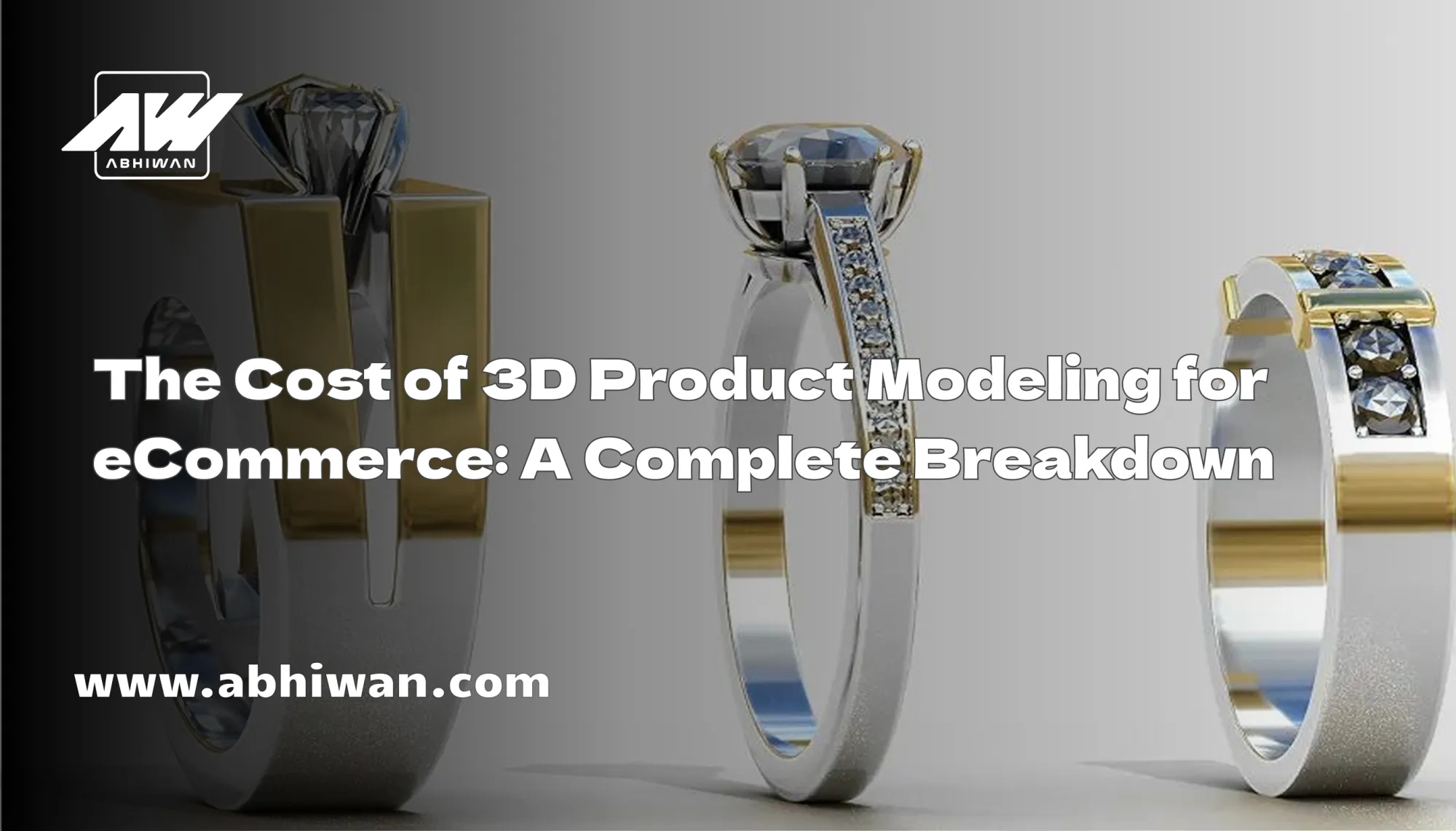
3D Product Modeling for eCommerce has become a really important investment. Interactive 3D models let consumers get a more dynamic, immersive experience, so they can look at the product from multiple angles before they decide to buy. In practice, this tech not only makes products look better, but it can also lower the return rate and push the conversion rate upward. To boost online sales and build stronger customer trust, many businesses team up with professional 3D product modeling service providers to craft lifelike digital replicas. Still, as eCommerce keeps changing, companies are moving more and more toward advanced visualization solutions. Yet, before starting any project, it’s crucial to know the costs, because they can shift a lot depending on several things, like overall complexity, rendering quality, required customization, and scalability.
What is 3D Product Modeling for eCommerce?
3D Product Modeling for eCommerce involves generating realistic digital 3D models of real-world products for use in eCommerce platforms, marketplaces, and interactive shopping. These models enable customers to rotate, zoom in and out, and examine the product in detail before buying, facilitating the decision-making process. 3D product modeling services can help businesses generate accurate product models that help build trust and engagement with customers. A good 3D product modeling company can also make sure the product is consistent on a variety of platforms, such as websites, mobile apps, and AR experiences. This is a common approach for furniture and home décor brands, which often integrate the 3D interior design service with the solutions to visualize products in realistic settings, ultimately facilitating consumers' purchasing decisions.
Why Businesses Are Investing in 3D Product Modeling for eCommerce
Interactive product visualization is becoming a standard expectation among online shoppers.
Better Product Understanding
The products can be viewed from multiple angles, and important aspects can be inspected at a closer range by customers. There are many 3D product modeling service providers who specialize in the development of very detailed 3D models, which will enable customers to have a better understanding of product features.
Increased Customer Engagement
Interactive models prompt visitors to spend more time exploring products. This extra interaction can help build customer trust and create a more memorable shopping experience.
Improved Conversion Rates
If you can imagine you can see what you are purchasing, you are more likely to purchase it. Detailed product visualisation minimises uncertainty and aids in making better buying decisions.
Lower Return Rates
Digital models give customers realistic expectations before purchase. This means that businesses can expect to see fewer returns and happier customers.
Enhanced Brand Image
The use of modern visualization technologies is a sign of innovation and professionalism. By working with a reliable 3D product modeling company, a brand can enhance the reliability and visual identification of its products even more.
Key Factors Affecting the Cost of 3D Product Modeling for eCommerce
Several technical and creative elements influence the overall project budget.
Product Complexity
Simple items like bottles or packaging need less time to model. But more complex products, with intricate details, moving parts, or some unique structure, usually cost more overall, in the end.
Material and Texture Quality
The techniques used to create realistic materials like wood, leather, glass, and metal are more advanced texturing techniques. The better the texture is, the more expensive the project will be.
Rendering Requirements
Photorealistic rendering requires specialized software, hardware, and skills. The higher the visual quality demanded, the more investment.
Product Variations
If the product comes in more than one color, style, or configuration, then more customization is required. This not only adds to production time, but also to the overall project cost.
Animation Features
There is additional design and motion work that goes into animated product demos. This extra work makes animated models more expensive than static models.
Cost Breakdown of 3D Product Modeling for eCommerce
Understanding industry pricing helps businesses create realistic budgets and expectations.
Basic Product Models
The basic product models are perfect for products with a few simple details and textures. They are usually selected by startups and small businesses, and usually cost between $50 and $200 per model, based on the complexity.
Mid-Level Product Models
Mid-level models feature realistic materials, details, and various angles. This type of 3D product modeling services is most common for eCommerce brands, and the prices for these 3D product models usually vary from $200 to $800 per model.
Advanced Product Models
The advanced models are geared towards photorealism and highly detailed visual output. If you are looking for the best quality rendering and intricate designs, you could expect it to cost between $800 and $3,000+ to a professional 3D product modeling company.
Animated Product Models
In animated models, products are shown to function through animation and interactivity. The price of animation varies from $500 to $5000+ per project, depending on the complexity and length of the animation.
AR-Ready Product Models
The AR-ready models are optimized for augmented reality applications, enabling customers to visualize products in real-world settings. The price of these models ranges between $300 USD and $2000 USD + depending on the technical requirements.
Hidden Costs Businesses Should Consider
Some project expenses are often overlooked during the planning stage.
Revisions and Modifications
A lot of design changes can add up to longer labor hours and longer project delivery time. A clear project brief is used to minimise the unnecessary revision costs.
Platform Optimization
There are technical requirements that differ from platform to platform. It might be necessary to tweak models for web, mobile, and AR devices.
Multiple Output Formats
Many companies require various file types for marketplaces, websites, and marketing campaigns. Preparing these assets can be an expense for a project.
Rush Delivery Requirements
It's often the case that projects with specific deadlines necessitate additional resources and focused effort. The faster the turnaround, the more expensive it becomes.
Quality Assurance Testing
The testing process guarantees that models work properly on different devices and platforms. This may be needed, but can be added to the overall budget.
Choosing the Right 3D Product Modeling Partner
Selecting the right partner can significantly impact both quality and long-term value.
Industry Experience
In the case of 3D product modeling services, having a company that is experienced in the industry means that they will be able to complete projects more efficiently, while still maintaining quality standards.
Portfolio Quality
Previous work is reviewed to assess design abilities and uniformity. Technical expertise and creativity can be evidenced by a strong portfolio.
Communication Process
Good communication minimises misunderstandings and helps to maintain the alignment of the project's objectives. This can contribute to a smoother project process.
Scalability
As a business expands its product lineup, they need partners who can meet its expanding demands. Scalability starts to matter when it comes to growth over time.
Technical Expertise
An experienced 3D product modeling company should know about rendering, animation, AR optimisation, and eCommerce integration to facilitate various project needs.
How Can You Create a Digital 3D Model of Your Product?
The first step in developing a digital product model is to gather accurate measurements, photographs, or CAD files. Then designers create the design, texture, add lighting, and create realistic renders of the design. Many businesses hire 3D product modeling services to get a more expert hand and deliver projects more quickly; however, some businesses do it on their own. A 3D product modeling company can also guarantee that the finished product is optimized for the website, marketplaces, and AR applications.
What Software Is Best for 3D Modeling?
Some of the most widely used software: Blender, Autodesk Maya, 3Ds Max, Cinema 4D, and ZBrush. The platforms provide different features based on the needs of the project and its complexity. A 3D interior design service professional will likely utilize a number of tools when creating realistic 3D interior designs and 3D product presentations. Likewise, a 3D product modeling company can use the advanced rendering tools and platforms to achieve excellent results for eCommerce companies.
Conclusion
The 3D Product Modeling for eCommerce has emerged as a critical investment for companies aiming to enhance their product displays, customer interaction, and eCommerce performance. The cost will depend on the complexity, quality of rendering or animation, desired platform optimization, etc., but the rewards for the long term can be great. Businesses that use professional 3D product modeling services can provide immersive shopping experiences, which can boost conversion rates and minimize returns. Selecting a suitable 3D product modeling company, along with bringing in an interior 3D designer, if required, can also make product visualization efforts more effective. The need for high-quality 3D assets will endure as new technologies emerge, like AR and VR, and virtual commerce grows more common.























Sign in to leave a comment.