
I remember sitting in a coffee shop in Austin three years ago. A friend told me he had a "million-dollar idea." He thought he could hire a student to code it for five grand.
Looking back, that was pure fantasy. Building software in the States has never been a bargain-bin activity.
By the time 2026 rolled around, the bar for quality climbed even higher.
You are likely here because you have an idea. You want to know if you need a small loan or a massive VC round to get it off the ground.
The Brutal Truth About Software Budgets
Building an app is like building a house. You can get a prefab shed or a custom mansion. Both have a roof, but the price gap is huge.
In the USA, you are paying for more than just lines of code. You are paying for local market knowledge and legal protection. Most people forget about the overhead that comes with American labor laws and high-end security.
Why Your First Estimate Is Probably Wrong
Early quotes are almost always a guess. Most developers want to keep you happy, so they lowball the initial numbers. I reckon you should add at least 30 percent to whatever figure you have in your head.
Scope creep is the silent killer. You start with a simple login page. Suddenly, you want social media integration and AI chatbots. Each tiny "extra" adds hours to the clock.
Moving Beyond Basic Code Costs
Code is only half the battle. You have UI design, project management, and quality assurance to consider. In my experience, skipping the QA phase is a recipe for disaster.
Users in 2026 have zero patience for bugs. If your app crashes on the first launch, it gets deleted. That represents a total loss on your marketing spend.
Pricing Tiers By Application Complexity
Prices vary wildly based on what the app actually does. A simple calculator app is worlds away from a real-time banking platform. Let me explain how the tiers look this year.
Right now, developers in the USA charge anywhere from $120 to $250 per hour. If you want top-tier talent in tech hubs, prepare your wallet.
| App Type | Estimated Development Time | 2026 Price Range (USD) |
|---|---|---|
| Simple / MVP | 300 - 500 Hours | $45,000 - $80,000 |
| Mid-Complexity | 600 - 1,200 Hours | $90,000 - $180,000 |
| Complex / Enterprise | 1,500+ Hours | $250,000 - $500,000+ |
Minimalist Tools For Local Business
These are often called MVPs. They do one thing well. Think of a simple booking system for a hair salon. You don't need fancy animations or complex data processing here.
Even for these, do different and focus on the user journey. A tidy interface beats a cluttered mess every single time. It is a braw way to start small without going broke.
Mid-Tier Apps With Custom Features
This is where most startups land. You might need custom APIs or a dedicated back-end. These apps usually handle payments and user profiles securely.
Plot twist. The cost of cloud storage is rising. Even if your dev team is affordable, your monthly server bills will start to bite. Factor that in early on.
Enterprise Solutions And High Traffic Needs
These are the big boys. We are talking about apps that handle millions of requests per second. Security here is not optional; it is the entire foundation.
Expect to pay a premium for specialized architects. These folks ensure your app doesn't fall over when you get a sudden surge of users. It is lush when it works, but it costs heaps.
Build A Mobile App In The USA With Local Talent
There is a hella strong argument for staying local. While offshore teams look cheap on paper, the time zone lag can be a real pain.
Communication is the most expensive part of software. If you have to wait twelve hours for an answer, your project slows down. Slow projects are always more expensive projects.
The Philadelphia Developer Advantage
You might be wondering where to find the right balance of skill and cost. While Silicon Valley is priced for billionaires, other hubs offer a canny alternative for founders.
Finding a reliable mobile app development company in Philadelphia is a smart move for East Coast projects. These teams offer high-end talent without the extreme California markup.
If you are fixin' to launch something significant, having your team in the same time zone is a vibe. You can jump on a call and fix problems in minutes, not days.
Why Proximity Still Matters In 2026
I used to think remote work solved everything. Actually, scratch that. What I mean is that physical proximity helps with brainstorming.
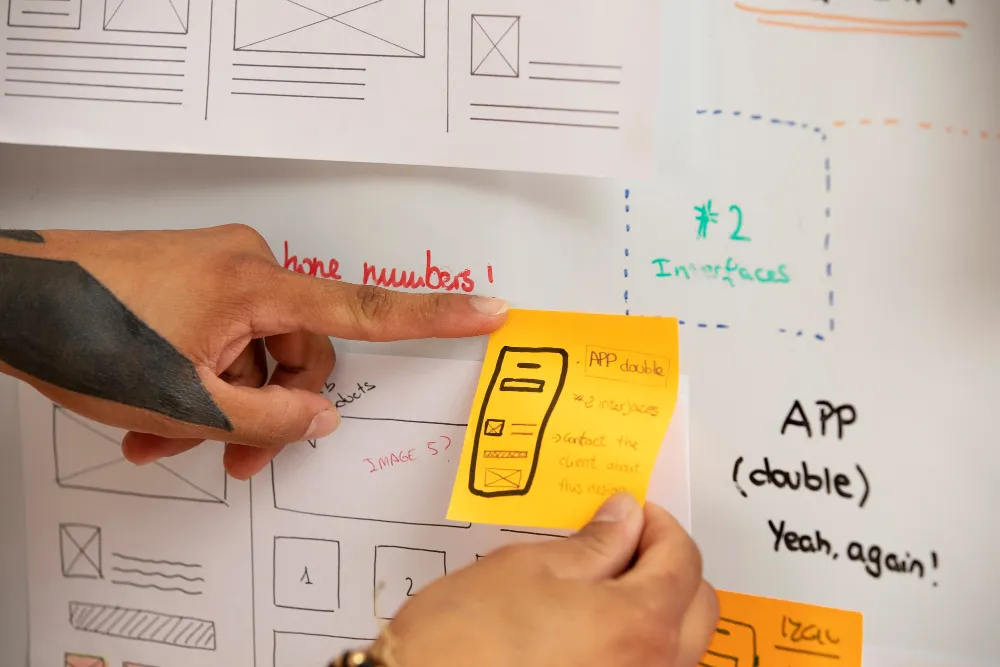
Nothing replaces a whiteboard session in a real room. It helps align the vision before the first line of code is even written. It keeps everyone on the same page.
Factors That Blow Your Budget Out Of The Water
Some costs sneak up on you like a sus character in a dark alley. You think you are on track, then a bill arrives that makes you want to weep.
Here is the kicker. Maintenance is not a one-time fee. It is a forever fee. You will spend about 20 percent of your initial build cost every year just to keep it running.
Integration Fees And Third-Party API Costs
Most apps rely on other services. You might use Stripe for payments or Twilio for texts. These services are not free.
Some APIs charge per request. If your app goes viral, your API bill might exceed your revenue for the first month. It is a proper headache if you aren't prepared for it.
Maintaining Security In A Post-AI World
In 2026, hackers are using AI to find holes in your code. This means your security needs to be just as smart.
Regular audits are now a requirement for any app handling user data. I might be wrong on this, but I bet security will be your biggest line item by 2027.
The Ongoing Price Of App Store Compliance
Apple and Google change their rules constantly. If you don't update your app to meet their new standards, they will kick you off the store.
"The app economy is not just about the big players anymore; it's about the resilience of small developers who adapt to shifting store policies." — Tim Cook, CEO of Apple, via Apple Newsroom.
Future Tech Trends Impacting Your 2026 Spend
The tech stack you choose today dictates your costs for the next five years. Choose poorly, and you will be paying for a total rewrite sooner than you think.
Right now, cross-platform tools like Flutter and React Native are dominant. They allow you to write one codebase for both iOS and Android. This can save you a canny amount of cash.
Generative AI As A Cost Multiplier
AI is a double-edged sword. It helps developers write code faster, but the logic is more complex to test.
You might save money on initial drafting. However, you will spend more on specialized engineers who can tune the models. It is not as simple as clicking a button yet.
Cross-Platform Efficiency Projections For 2028
The market for mobile apps is projected to hit over $641 billion by 2027. This growth suggests that demand for developers will remain sky-high.
For you, this means labor costs won't be dropping anytime soon. Stick with me here. Investing in a robust architecture now prevents expensive technical debt later.
"Expect the cost of 'average' software to drop, but the price for truly secure and performant engineering will skyrocket as AI fills the middle ground." — @GergelyOrosz, Software Engineering Expert.
Common Questions About App Development Pricing
Building something new is stressful. It is normal to have a million questions about where your money is actually going.
Real talk. No one likes talking about money, but being upfront prevents bad blood later. Here are the things people usually ask me over a beer.
Q: Can I build a mobile app in the USA for under $20,000?
A: It is highly unlikely for a custom build. You might get a very basic prototype or use a "no-code" builder. For professional, scalable software, you need a larger starting budget to ensure quality.
Q: Why is US development more expensive than outsourcing?
A: You are paying for legal accountability, cultural alignment, and synchronous communication. If something goes wrong, you have legal recourse within the US court system, which is a massive safety net.
Q: Does the price include marketing and launch?
A: Usually, no. Most quotes only cover the technical build. You should set aside a separate budget for user acquisition. Often, marketing costs as much as the development itself in the first year.
Q: How long does it take to get an app to market?
A: Most mid-range projects take four to nine months. If a team promises a complex app in four weeks, they are likely cutting corners. Quality engineering takes time to test and refine properly.
Conclusion
Stick to your guns on quality. It is better to have a small, polished app than a massive, broken one. Good luck with your build a mobile app in the USA journey. It is a wild ride, but seeing your icon on a home screen is pure dead brilliant.
























Sign in to leave a comment.