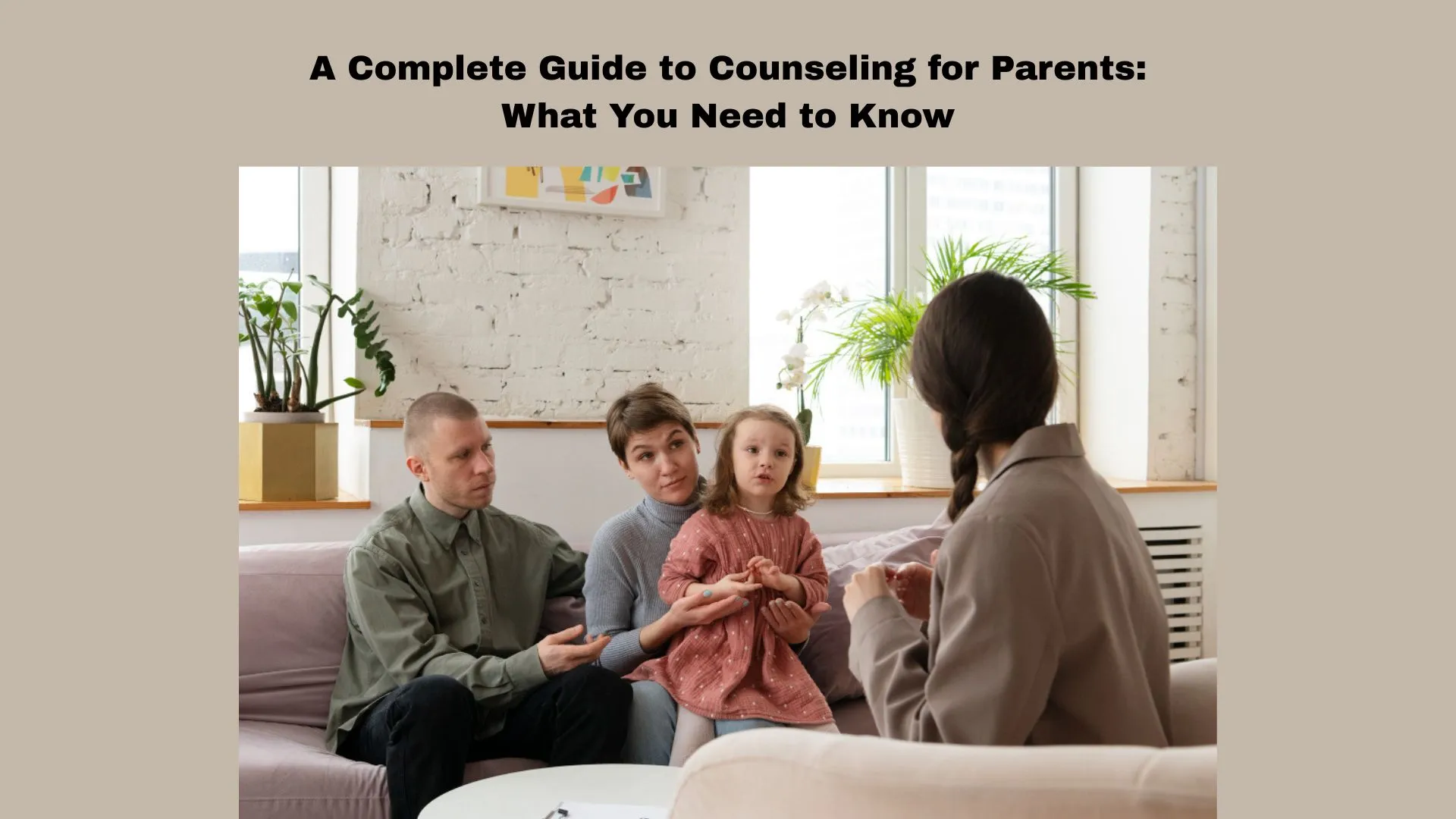

Understanding your child’s emotions is one of the most important parts of effective parenting. Every child reacts differently to situations, but recognizing patterns can help you respond with empathy and confidence.
What Kind of Things Upset Your Child often depends on their developmental stage, environment, and personality, making it essential to adjust your approach as they grow.
In this guide, we’ll break down common emotional triggers by age and explore What Kind of Things Upset Your Child, along with practical strategies to support them in a healthy, nurturing way.
Why Understanding Emotional Triggers Matters
Children don’t always have the language or emotional awareness to express what they feel. As a result, frustration, sadness, or anxiety often shows up as tantrums, withdrawal, or defiance.
When you understand what’s upsetting your child, you can:
- Build stronger emotional bonds
- Reduce frequent meltdowns
- Teach emotional regulation skills
- Support long-term mental well-being
Infants (0–2 Years): Basic Needs and Sensory Overload
At this stage, babies rely entirely on caregivers to meet their needs. Their distress is usually linked to physical discomfort or overstimulation.
Common Triggers
- Hunger or tiredness
- Dirty diapers
- Loud noises or bright lights
- Separation from parents
- Illness or teething pain
How to Respond
- Maintain consistent feeding and sleep routines
- Create a calm, predictable environment
- Use soothing techniques like rocking or gentle sounds
- Respond quickly to build trust and security
Toddlers (2–4 Years): Frustration and Lack of Control
Toddlers are learning independence but lack the skills to fully express themselves. This often leads to frustration.
What Upsets Them Most
- Being told “no”
- Difficulty communicating needs
- Changes in routine
- Sharing toys
- Overstimulation or fatigue
Helpful Strategies
- Offer simple choices to give a sense of control
- Use clear and calm communication
- Validate feelings (“I see you’re upset”)
- Keep routines consistent
Preschoolers (4–6 Years): Imagination and Emotional Sensitivity
Preschoolers have vivid imaginations and are more aware of social interactions, which can lead to new fears and emotional reactions.
Common Emotional Triggers
- Fear of the dark or imaginary creatures
- Conflicts with friends
- Criticism or feeling “wrong”
- Changes at home or school
What Parents Can Do
- Encourage open conversations about feelings
- Avoid dismissing fears—acknowledge and reassure
- Use storytelling to explain emotions
- Teach simple problem-solving skills
School-Age Children (6–12 Years): Social Pressure and Expectations
As children grow, their world expands to include school, friendships, and performance expectations.
Key Triggers
- Academic pressure
- Comparison with peers
- Bullying or exclusion
- Strict rules without explanation
- Feeling misunderstood
Supportive Approaches
- Show interest in their daily experiences
- Help them develop coping strategies
- Encourage effort over perfection
- Promote open, judgment-free communication
Teenagers (13–18 Years): Identity and Independence
Teenagers experience intense emotional changes due to hormonal shifts and identity development.
What Kind of Things Upset Your Child in Teenage Years
- Lack of independence
- Peer pressure and social acceptance
- Body image concerns
- Academic or career stress
- Feeling unheard or judged
How to Support Teens
- Respect their need for independence
- Listen actively without interrupting
- Avoid being overly critical
- Offer guidance instead of control
- Encourage healthy outlets like hobbies or journaling
- Listen actively without interrupting, and explore parent therapy to better navigate complex parent-teen relationships
Ongoing stress, social pressure, or feelings of isolation can increase the risk of depressive disorders if not addressed early.
Signs Your Child Is Upset (Across All Ages)
Children don’t always say they’re upset. Look for these behavioral cues:
- Sudden mood changes
- Withdrawal or silence
- Aggressive behavior
- Sleep disturbances
- Changes in appetite
These signs may sometimes point to deeper concerns like anxiety disorders, especially if they persist over time or interfere with daily activities
Practical Tips to Handle Emotional Triggers
No matter your child’s age, these universal strategies can help:
Build Emotional Awareness
- Teach them to name their feelings
- Use emotion charts or storytelling
Teach emotional regulation skills and understand when support like Mental Wellness Counseling may be helpful for your child’s well-being.
Stay Calm and Patient
- Your reaction shapes their response
- Avoid yelling or harsh punishment
Create a Safe Space
- Let them express emotions without fear
- Encourage honesty and openness
Consider Child and Adolescent Therapy if emotional challenges become overwhelming or difficult to manage at home.
Be Consistent
- Maintain routines and boundaries
- Consistency builds security
Final Thoughts
Every stage of childhood comes with its own emotional challenges. By exploring What Kind of Things Upset Your Child at different ages, you gain valuable insight into their inner world. This understanding allows you to respond with empathy, guide them through difficult emotions, and strengthen your relationship over time.
Parenting isn’t about eliminating all struggles—it’s about helping your child navigate them with confidence and resilience.




























Sign in to leave a comment.