

If someone you know is struggling with depression, encourage them to seek professional treatment. Help them find a counselling for depression or mental health expert they feel they can trust for help.
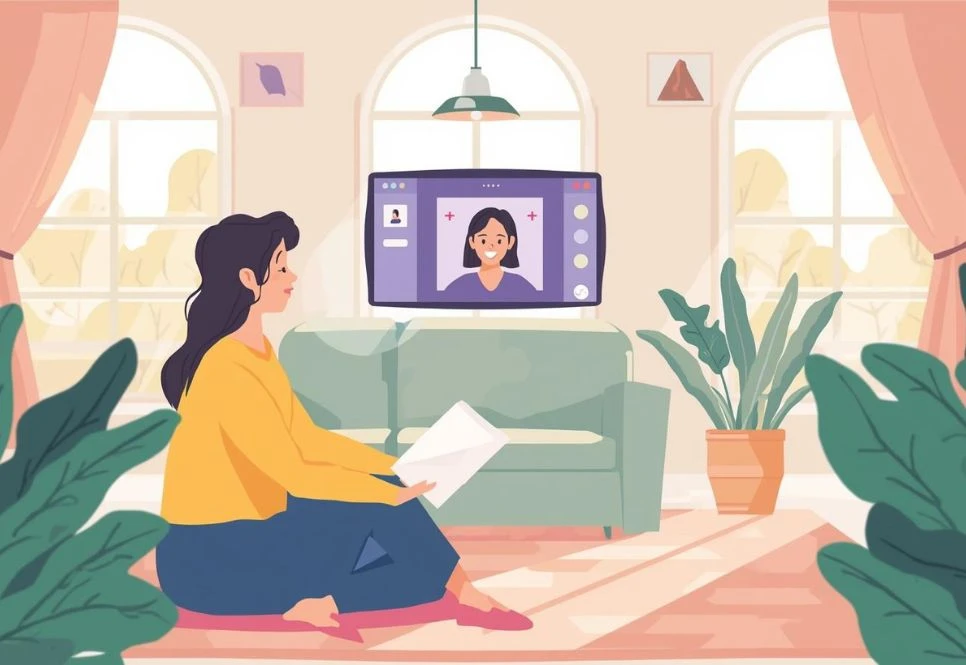
Talk therapy is often considered one of the best therapies to combat depression. Many experts advise it over medication as a primary solution. Therapy services like these may be available both locally or online.
It helps you understand your feelings
A good therapist can teach you to recognize and manage your feelings in healthy ways. Depression may make it easy to withdraw into yourself, so finding someone you can open up to about how your emotions impact you - whether that means family members, friends, or professionals - is vitally important.
Individual psychotherapy entails one-on-one sessions with a licensed psychiatrist or psychologist trained to treat mood disorders. Psychotherapy can help identify the distorted thoughts and behaviors that contribute to depression, as well as develop effective coping skills. Online therapy may be more accessible and cost-effective than traditional psychotherapy options.
Behavioural activation therapy (BAT) is a form of psychotherapy that encourages you to take small, practical steps toward bettering your life. It may help increase motivation to cope with depression and is typically offered over 16-20 weekly sessions by either a private therapist or through the NHS Talking Therapies Service.
It helps you get through everyday life
Depression can make daily tasks challenging, yet there are ways to cope with it. Implementing self-care strategies, getting enough restful sleep, and attending counselling sessions may all help alleviate symptoms. Furthermore, family counseling may also prove invaluable as a way for loved ones to better understand what's going on and provide more supportive measures.
Depression is a prevalent mental health issue that can be treated through psychotherapy and medication. Most symptoms should improve after two weeks of therapy; if they don't, seeking assistance immediately should be your priority.
Individual therapy involves one-on-one sessions with a trained professional therapist, such as an MD (psychiatrist/doctor), PhD, PsyD, LCSW or NP. Sessions usually last one hour and can take place either in-person or online; most insurance plans cover at least part of the costs. Finding someone whom you trust and feel comfortable sharing feelings with is key.
It helps you build healthy relationships
Maintaining healthy relationships while managing depression can be challenging, but therapy can provide invaluable assistance in understanding emotional blocks and communicating more clearly and compassionately with those you interact with. With their guidance, you may even discover deeper bonds to others than before.
Cognitive Behavioral Therapy teaches individuals how to recognize unhelpful or negative thought patterns, alter inaccurate beliefs and develop behaviors which improve mood. This type of treatment typically lasts 12-16 sessions for maximum impact.
Interpersonal therapy focuses on specific life events and relationships that may be contributing to your depression, such as bereavement, loss of job or relationship difficulties. You'll learn to cope with these issues more effectively while creating healthy coping mechanisms.
Family therapy aims to address how depression impacts entire families, teaching family members how they can support the mental wellbeing of loved ones. It may be combined with other treatments such as behavioral activation therapy.
It helps you find your purpose
An engaging sense of purpose can help maintain both mental and physical wellness, and lessen life's stresses. If you find yourself overwhelmed, a therapist can show you new techniques for dealing with negative thoughts and emotions; you can find one online or locally, as well as learn to manage depression through lifestyle changes.
Depression can be treated using different therapies, including interpersonal therapy and cognitive behavioural therapy. Interpersonal therapy aims to understand how your relationships and past experiences influence your mood; additionally it can teach you better ways to express yourself and manage emotions. Cognitive behavioural therapy offers additional help by altering thinking patterns and teaching new coping mechanisms.
Therapists can help restore your sense of purpose by teaching new coping skills and encouraging a more optimistic perspective on life. You may learn to manage stress more effectively, while strengthening relationships. It may take multiple visits before finding one with whom you connect best.










Sign in to leave a comment.