
Introduction
Depression is one of the most common mental health conditions affecting people in Singapore today. It is more than persistent sadness; it can deeply affect how someone thinks, feels, and functions in daily life. Relationships, work, and physical health may all be impacted. While depression can feel overwhelming, professional support through depression counselling in Singapore offers a path forward.
Counselling and therapy provide a safe space to process emotions, learn coping skills, and regain stability. With increasing awareness of mental health, individuals in Singapore now have access to multiple therapy options designed to support emotional wellbeing. This article explores available choices for depression therapy Singapore, the benefits of counselling, and how psychotherapy may help those struggling with depression and anxiety.
Understanding Depression and Its Impact
Depression is not a sign of weakness or something that can be “snapped out of.” It is a legitimate mental health condition influenced by a combination of biological, psychological, and social factors. Symptoms often include:
- Persistent sadness or emptiness
- Loss of interest in activities once enjoyed
- Fatigue and sleep disturbances
- Feelings of worthlessness or guilt
- Difficulty concentrating
- Thoughts of self-harm
Left untreated, depression can escalate and significantly reduce quality of life. Professional support through mental health counselling Singapore helps individuals manage these challenges more effectively.
Why Seek Depression Counselling in Singapore?
Seeking therapy is an act of strength and self-respect. Counselling offers structured guidance and emotional support for individuals facing depression and anxiety. Trained professionals use evidence-based methods to help clients:
- Identify triggers and thought patterns
- Develop healthier coping strategies
- Improve self-awareness and self-esteem
- Strengthen communication and relationships
- Build resilience for future challenges
Many people in Singapore seek counselling for depression and anxiety because the symptoms often overlap. Anxiety can intensify depressive feelings, and counselling provides a space to address both together.
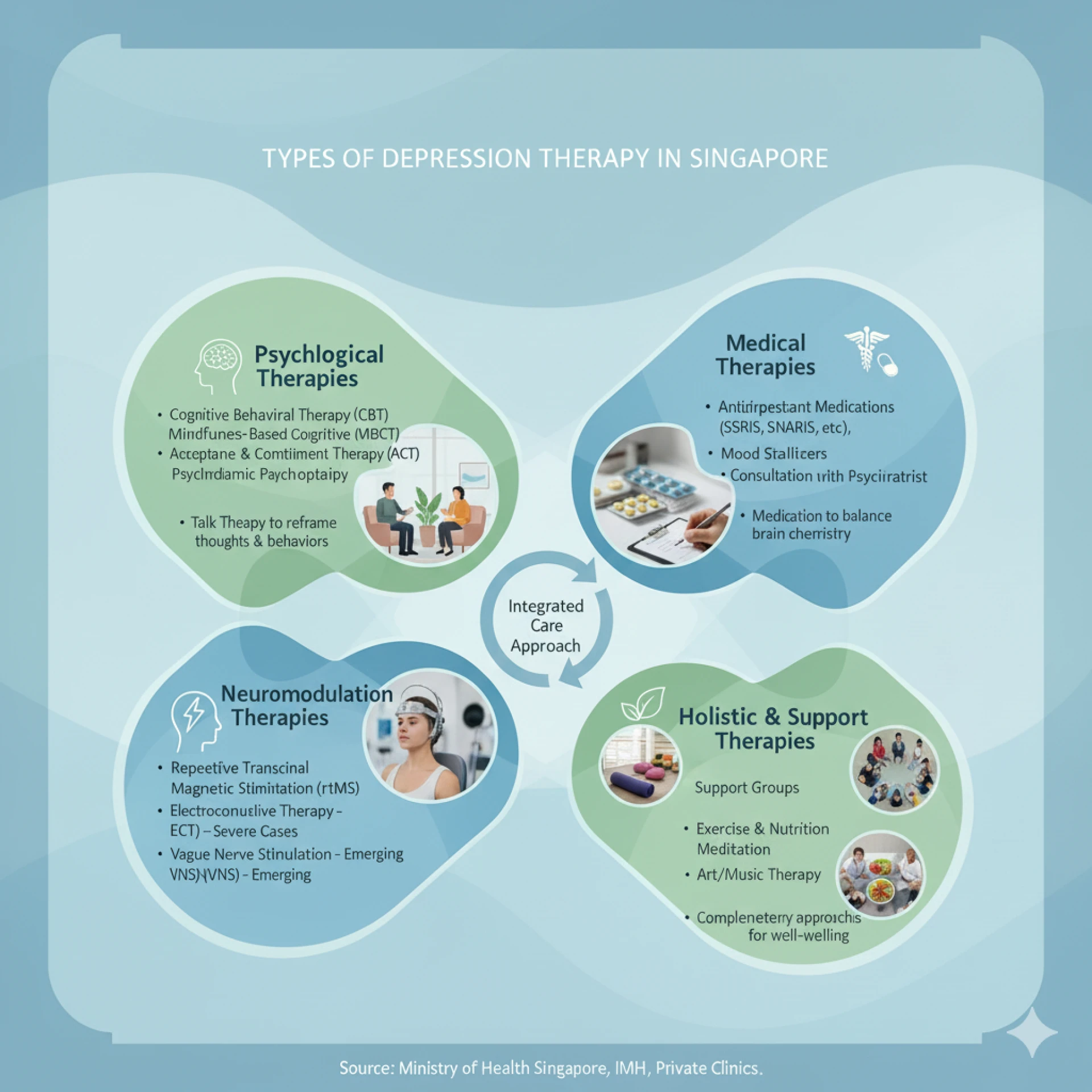
Types of Depression Therapy in Singapore
There are different therapeutic approaches available, depending on individual needs and preferences. Below are some commonly practised forms of psychotherapy for depression:
1. Cognitive Behavioural Therapy (CBT)
CBT is one of the most widely recommended methods for depression. It focuses on identifying negative thought patterns and replacing them with more balanced and constructive ones.
2. Interpersonal Therapy (IPT)
IPT addresses difficulties in relationships and communication, which often play a role in the development or worsening of depression.
3. Psychodynamic Therapy
This method explores how past experiences and unconscious emotions influence present behaviour. It can help individuals understand the deeper roots of their depression.
4. Mindfulness-Based Therapy
Mindfulness techniques are often combined with CBT to help individuals stay grounded, reduce rumination, and manage stress more effectively.
5. Group Therapy and Support Groups
In Singapore, support groups provide a community setting where individuals share experiences and encourage one another, reducing feelings of isolation.
How Counselling Sessions Typically Work
When attending depression counselling Singapore, the first session often begins with an assessment. The counsellor or psychologist gathers information about symptoms, medical history, and personal challenges. Sessions typically last 45–60 minutes, held weekly or biweekly depending on the treatment plan.
Therapy is collaborative, meaning the counsellor and client work together toward agreed goals. Progress is gradual but measurable, often reflected in improved mood, coping skills, and overall functioning.
Where to Find Depression Counselling in Singapore
Singapore offers several avenues for counselling:
- Private Clinics and Counselling Centres – These provide specialised therapy services with licensed psychologists and counsellors.
- Hospitals and Public Institutions – Mental health services are available at hospitals such as the Institute of Mental Health (IMH).
- Community Organisations – Non-profit groups and social service agencies provide accessible counselling options.
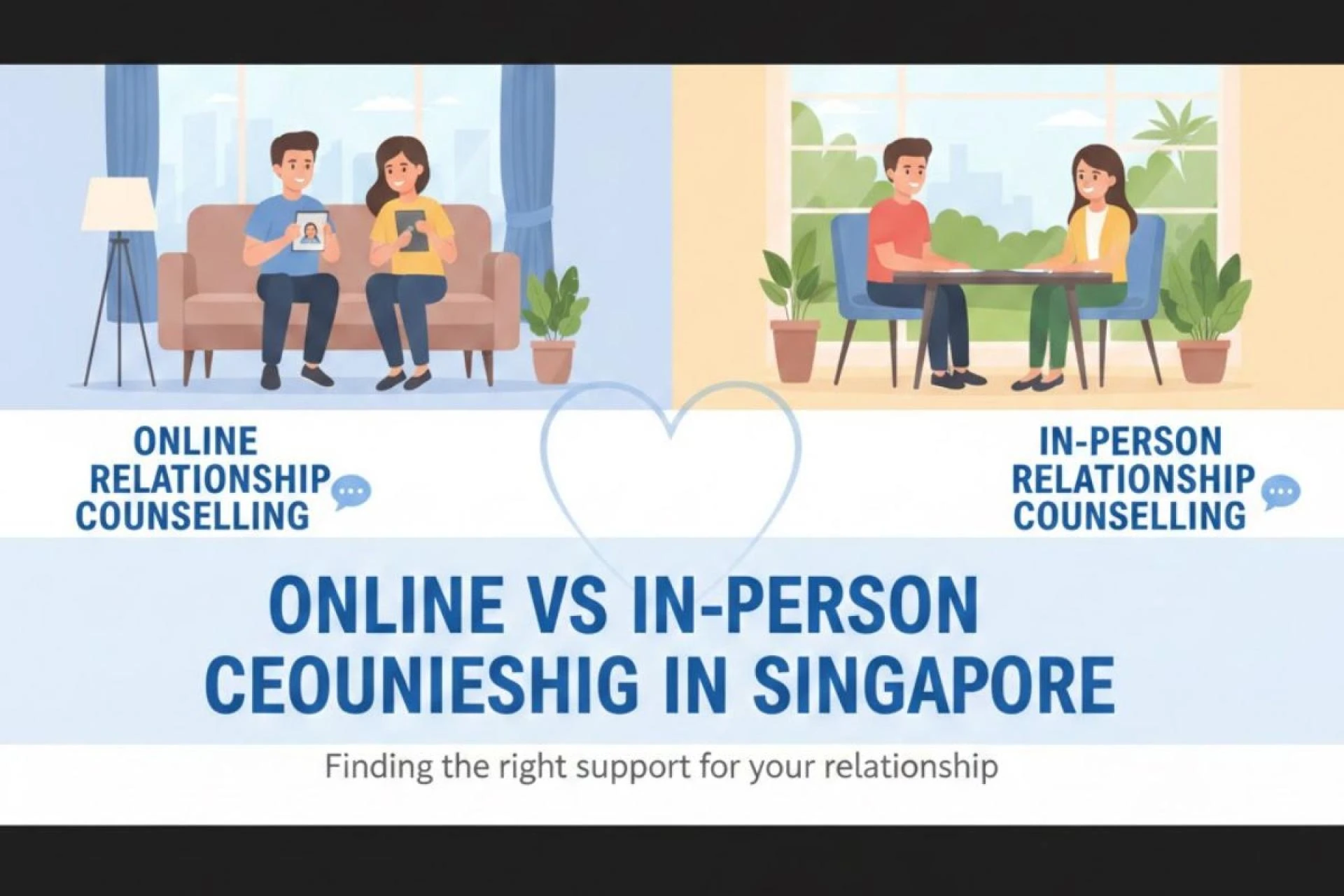
- Online Therapy Platforms – Virtual counselling sessions are increasingly available, offering flexibility and privacy.
Each option has different costs, wait times, and methods of therapy. Individuals can choose based on their comfort, affordability, and urgency of support.
The Role of Family and Social Support
While professional therapy is vital, support from family and friends plays a powerful role in recovery. Loved ones can help by listening without judgment, encouraging treatment, and offering companionship during difficult times. Counsellors may also involve family members in sessions when appropriate, to improve understanding and support.
Overcoming Stigma Around Counselling
Despite growing awareness, stigma remains a barrier for some in seeking mental health counselling Singapore. Misconceptions such as “counselling is only for severe cases” or “therapy means weakness” can prevent individuals from accessing needed care. Education and open conversations are key to changing these perceptions. Recognising counselling as an essential form of healthcare helps normalise seeking professional support.
Self-Care Alongside Therapy
Therapy works best when combined with daily self-care practices. Simple but effective habits include:
- Maintaining regular sleep and nutrition
- Engaging in physical activity
- Practising relaxation techniques such as deep breathing
- Journaling thoughts and feelings
- Spending time in nature or meaningful activities
While self-care is not a replacement for professional therapy, it complements the progress made during counselling sessions.
Choosing the Right Therapist in Singapore
Finding a suitable therapist is a personal process. Important factors to consider include:
- Qualifications and specialisation in depression therapy Singapore
- Approach to treatment (e.g., CBT, psychodynamic therapy)
- Comfort level and rapport during sessions
- Availability and affordability
Many clinics in Singapore provide introductory consultations, allowing clients to gauge compatibility before committing to a longer-term arrangement.
Frequently Asked Questions (FAQs)
1. How do I know if I need depression counselling in Singapore?
If feelings of sadness, hopelessness, or anxiety interfere with daily life for more than two weeks, professional counselling may be helpful.
2. What is the difference between counselling and psychotherapy for depression?
Counselling often focuses on present challenges and coping skills, while psychotherapy may explore deeper underlying patterns and past experiences. Both can be effective depending on individual needs.
3. Is counselling for depression and anxiety covered by insurance in Singapore?
Some insurance plans provide partial coverage for mental health therapy. It is advisable to check with the provider directly.
4. Can I access depression therapy online in Singapore?
Yes, many clinics and platforms now offer online sessions, making counselling more accessible for those with busy schedules or privacy concerns.
5. How long does depression counselling usually take?
The length of therapy varies. Some may feel improvements after several weeks, while others may benefit from ongoing sessions over several months.
Final Thoughts
Living with depression can feel isolating, but professional support offers a way forward. Depression counselling Singapore provides individuals with tools to manage symptoms, rediscover a sense of purpose, and improve emotional wellbeing. With various therapy options available—from cognitive behavioural therapy to mindfulness-based practices—everyone has the opportunity to find support that aligns with their needs.
Taking the step toward counselling is not only about overcoming depression but also about building a healthier and more fulfilling future.























Sign in to leave a comment.