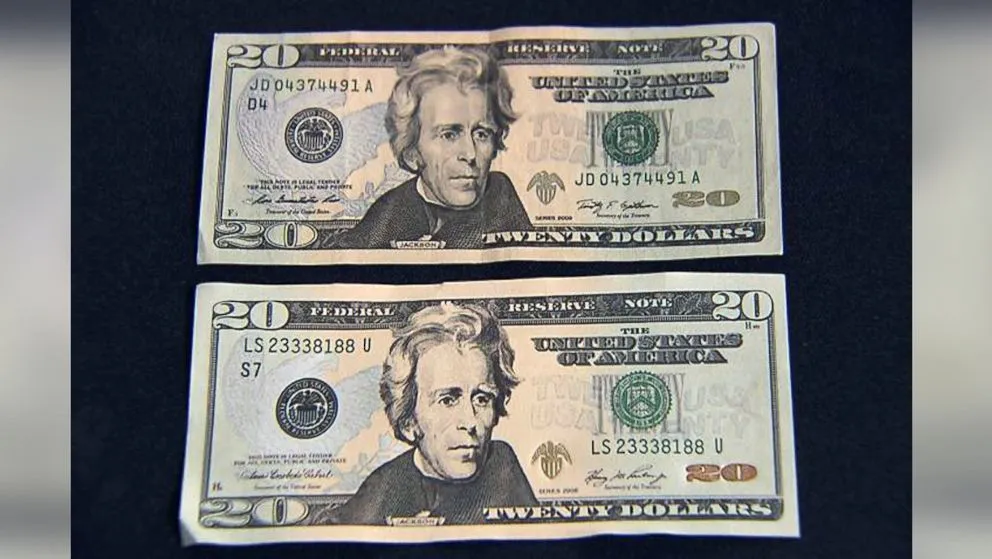

Understanding Counterfeit money online in the online space is important for awareness and education. While the internet contains discussions about fake currency, it is also heavily monitored due to the legal and financial risks involved. This article explains how counterfeit money is discussed online, why it is dangerous, and how individuals and businesses can protect themselves.
How Counterfeit Money Appears Online
Counterfeit currency is often mentioned online in misleading or coded ways. Some websites or forums may claim to offer:
- “Replica banknotes”
- “Movie prop money”
- “Collector novelty bills”
- “Undetectable currency samples”
While some of these may be marketed as props or educational samples, others are used to disguise illegal activity. In many cases, such platforms are deceptive and exist primarily to scam users or encourage illegal transactions.
Why Counterfeit Money Is Dangerous
Counterfeit currency creates serious problems for individuals and economies:
1. Financial Loss
Anyone who unknowingly accepts counterfeit money suffers direct financial loss because the fake currency has no real value.
2. Criminal Liability
Even possession of counterfeit money in many countries can lead to legal investigation. Authorities do not treat it lightly, especially if intent to use or distribute is suspected.
3. Business Risks
Retailers, restaurants, and small businesses are often primary targets. Accepting fake notes can lead to repeated losses if proper detection methods are not used.
How Counterfeit Money Is Distributed Online
While illegal networks vary, counterfeit-related content online typically spreads through:
- Private messaging apps
- Hidden marketplaces on the dark web
- Fraudulent e-commerce websites
- Social media accounts promoting “easy money schemes”
Many of these channels are monitored by cybersecurity teams and law enforcement agencies.
Warning Signs of Fake Currency Offers Online
If you encounter content related to currency online, be cautious of these red flags:
- Claims of “high-quality undetectable bills”
- Requests for cryptocurrency or untraceable payments
- No verifiable company identity or contact details
- Pressure to act quickly or “limited stock” claims
- Offers that promise unrealistic profit or returns
These are common tactics used in scams or illegal schemes.
Methods Used to Detect Counterfeit Money
Governments design currency with advanced security features. Some common verification methods include:
1. Watermarks
Genuine notes often have visible images when held against light.
2. Security Threads
Embedded strips that are difficult to replicate accurately.
3. Color-Shifting Ink
Certain parts of the note change color when tilted.
4. Raised Printing
Authentic currency usually has a distinct textured feel.
5. UV Features
Under ultraviolet light, hidden patterns become visible.
Businesses often use detection machines to verify notes quickly and accurately.
Online Awareness and Safety Tips
To stay safe from counterfeit-related risks online:
- Avoid engaging with suspicious currency-related offers
- Use verified banking and payment systems
- Educate yourself about your country’s currency security features
- Report suspicious activity to financial authorities or cybercrime units
- Train employees (for businesses) in cash-handling procedures
Final Overview
Counterfeit money remains a serious issue, especially when misinformation spreads online. While some content may appear educational or harmless, it is important to understand the legal risks and financial dangers involved. Awareness, caution, and proper verification practices are the best ways to stay protected in both online and offline financial environments.




















Sign in to leave a comment.