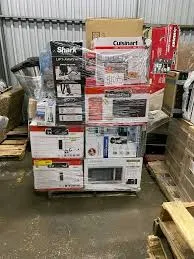

Purchasing wholesale tools by the pallet is a business model widely used by resellers and small distributors to access discounted inventory. However, success in this space depends heavily on strategy, product knowledge, and understanding how liquidation supply chains work.
How the Wholesale Pallet System Works
Tool pallets are typically created when large retailers or manufacturers need to clear excess inventory quickly. Instead of selling individual items, they bundle products into bulk pallets and sell them to liquidation buyers.
These pallets may come from:
- Department store clearances
- Online retail returns
- Warehouse overstock
- Seasonal inventory shifts
- Discontinued product lines
Once purchased, resellers sort, test, and repackage items for resale in smaller units.
Why Tool Pallets Attract Resellers
The main attraction is the profit margin potential. A single pallet may contain dozens or even hundreds of tools, often purchased at a fraction of retail value.
Common benefits include:
- Lower acquisition cost per item
- Ability to diversify inventory quickly
- Opportunity to build an e-commerce or local resale business
- Access to brand-name tools at reduced prices
Understanding Product Conditions in Tool Pallets
Not all pallets are the same. Product condition plays a major role in profitability:
1. New Inventory
Brand-new tools, usually from overstock or discontinued lines. These are the most profitable and easiest to resell.
2. Customer Returns
Items returned by buyers. These may be:
- Open-box
- Lightly used
- Missing packaging
- Still functional in many cases
3. Salvage or Damaged Goods
Tools that may have defects or cosmetic damage. These are lower in cost but higher risk.
Profit Potential: What Buyers Should Expect
Profit margins vary widely depending on the pallet type and resale method.
Typical scenarios:
- High-quality overstock pallets → higher resale value, lower risk
- Mixed return pallets → moderate profit with sorting effort
- Salvage pallets → high risk, but sometimes high reward if repaired or refurbished
Successful resellers often:
- Sell premium tools individually online
- Bundle lower-value tools into kits
- Liquidate unwanted stock locally or in bulk deals
Where Buyers Sell Tools After Purchase
Once pallets are sorted, tools are commonly resold through:
- Online marketplaces
- Local hardware resale shops
- Auction platforms
- Social media marketplace groups
- Flea markets and trade fairs
Each channel has different pricing strategies and customer expectations.
Key Factors That Affect Success
1. Supplier Reputation
Reliable liquidation suppliers reduce the risk of receiving low-quality pallets.
2. Shipping Costs
Tool pallets are heavy, and freight costs can significantly impact profits.
3. Product Knowledge
Understanding tool brands and market demand helps identify valuable items quickly.
4. Sorting Efficiency
Efficient testing and categorizing of tools increases turnaround speed.
Common Mistakes New Buyers Make
Many beginners lose money due to avoidable errors:
- Buying without researching pallet contents
- Overestimating resale value
- Ignoring shipping and handling costs
- Not testing tools before resale
- Relying on a single selling platform
Risk vs Reward in Tool Pallet Buying
Like any liquidation business model, tool pallets involve risk:
- No guarantee of item condition
- Inconsistent product mix
- Possible repair costs
- Storage requirements for bulk inventory
However, experienced buyers often reduce risk by starting small and scaling gradually.
Final Thoughts
Wholesale tools by the pallet can be a strong entry point into resale and liquidation businesses, offering access to discounted inventory and flexible profit opportunities. Success depends on careful sourcing, smart pricing, and efficient resale strategies.
For those willing to learn the market and manage variability, tool pallets can become a scalable and sustainable business model.












![The Benefits of Using a CNC Touch Probe [Infographic]](https://writeupcafe.com/data/post/1677697/bfdf3e040e67936848aa232d2dfe3d03.jpg.webp)









Sign in to leave a comment.