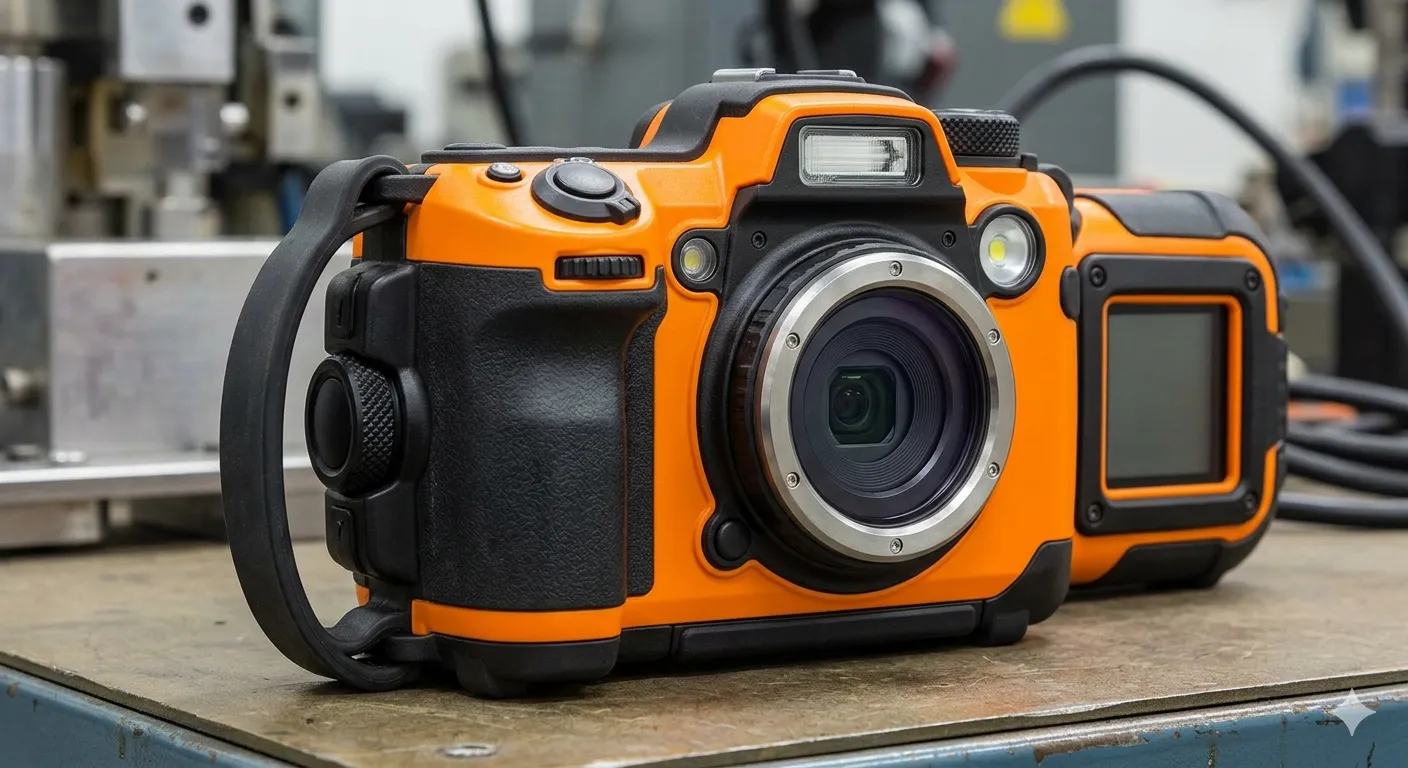

Specify the wrong ATEX camera grade and you face one of two problems: a device that fails regulatory scrutiny in a Zone 1 environment, or capital expenditure 40–60% higher than your operation actually requires. Neither outcome is acceptable, yet both happen regularly — because procurement teams are working from zone classifications they half-understand, and suppliers are not always motivated to ask the right questions first. Getting this decision right is not complicated, but it does require clarity on what zone classifications actually mean and what the certification differences demand in practice.
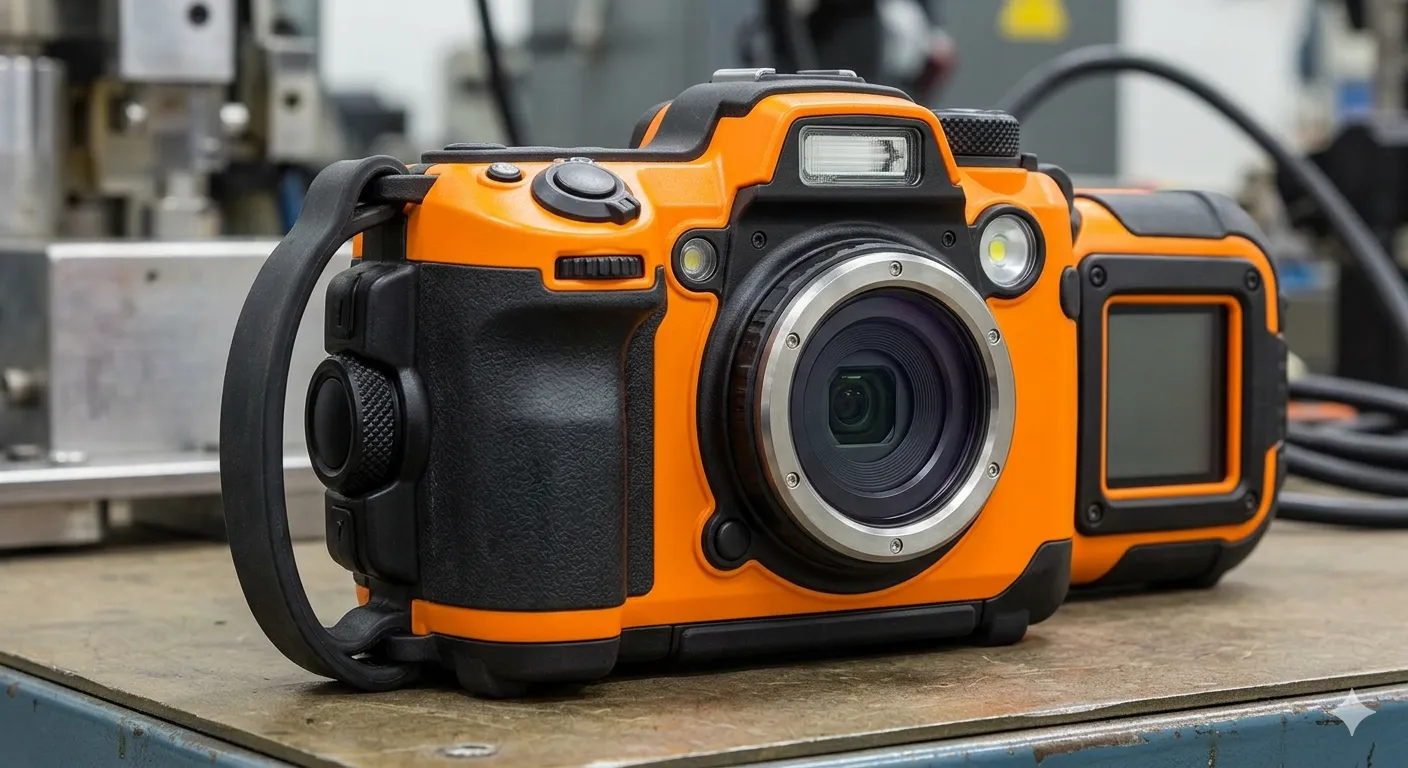
Zone Classification Is Not a Formality — It's a Legal Specification
Before you consider any camera specification, you need your hazardous area classification document in front of you. This is not optional. Under DSEAR and the ATEX Directive, your employer has a legal obligation to carry out an Explosive Atmosphere Risk Assessment (ATEX DSEAR assessment) and produce a documented zone classification. That document defines everything downstream — including the equipment you are permitted to use.
Zone 1 designates areas where an explosive atmosphere in the form of a gas, vapour, or mist is likely to occur periodically during normal operation. Think process vessels, areas near open transfer points, or pump seal zones in oil and gas facilities. Zone 2 is less frequent: explosive atmospheres are not likely to occur during normal operation, but may do so in abnormal conditions, or only briefly when they do arise. Tank farms with sealed storage, secondary containment areas, and many general-purpose chemical warehousing spaces typically fall into this category.
The practical difference is significant. Zone 1 equipment must meet more stringent ignition protection requirements, because the probability of an explosive atmosphere being present at any given moment is substantially higher.
What the Certification Gap Between Zone 1 and Zone 2 Means for Camera Specification
ATEX equipment categories map directly to zone use:
- Category 1G equipment: suitable for Zone 0, 1, and 2 (highest protection level for gases/vapours)
- Category 2G equipment: suitable for Zone 1 and Zone 2
- Category 3G equipment: suitable for Zone 2 only
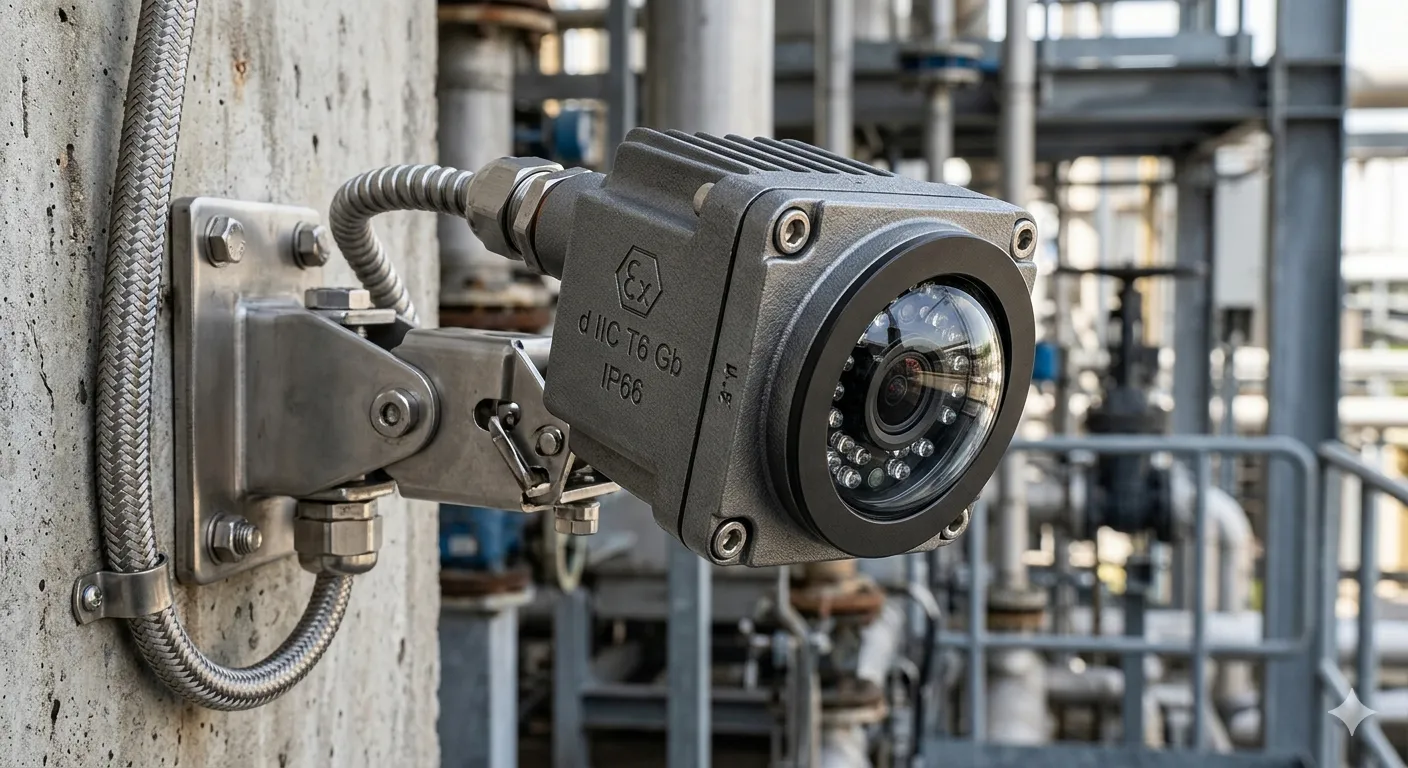
A camera certified to Category 3G cannot legally or safely be deployed in a Zone 1 area, regardless of how it looks on paper or what a supplier tells you informally. The protection concepts differ — intrinsic safety (Ex i), flameproof enclosure (Ex d), increased safety (Ex e) — and the testing standards that underpin each certification are not interchangeable.
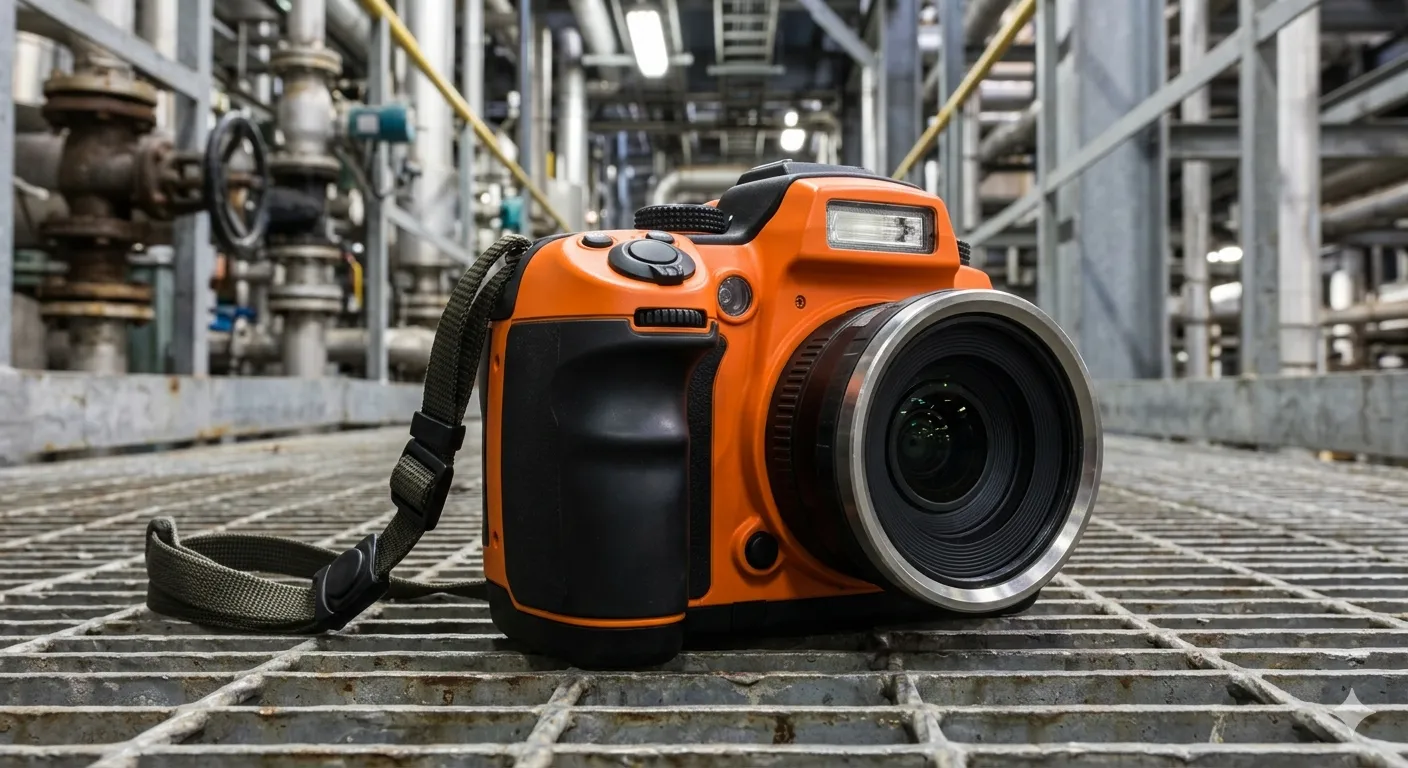
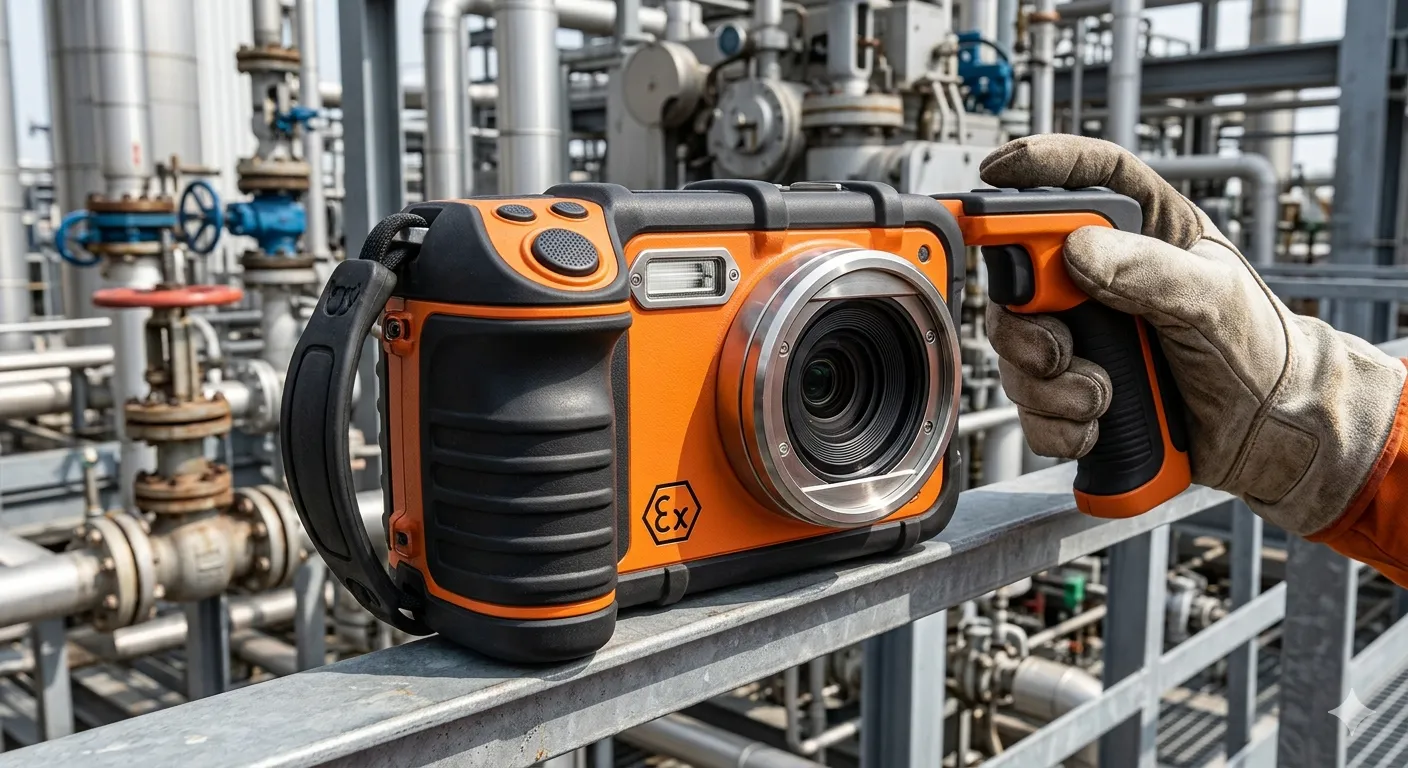
When you work with a qualified explosion proof digital camera Supplier, the first questions should be about your zone classification, gas group, and temperature class — not about resolution, housing colour, or cable routing preferences. Those details matter, but only after the compliance foundation is established.
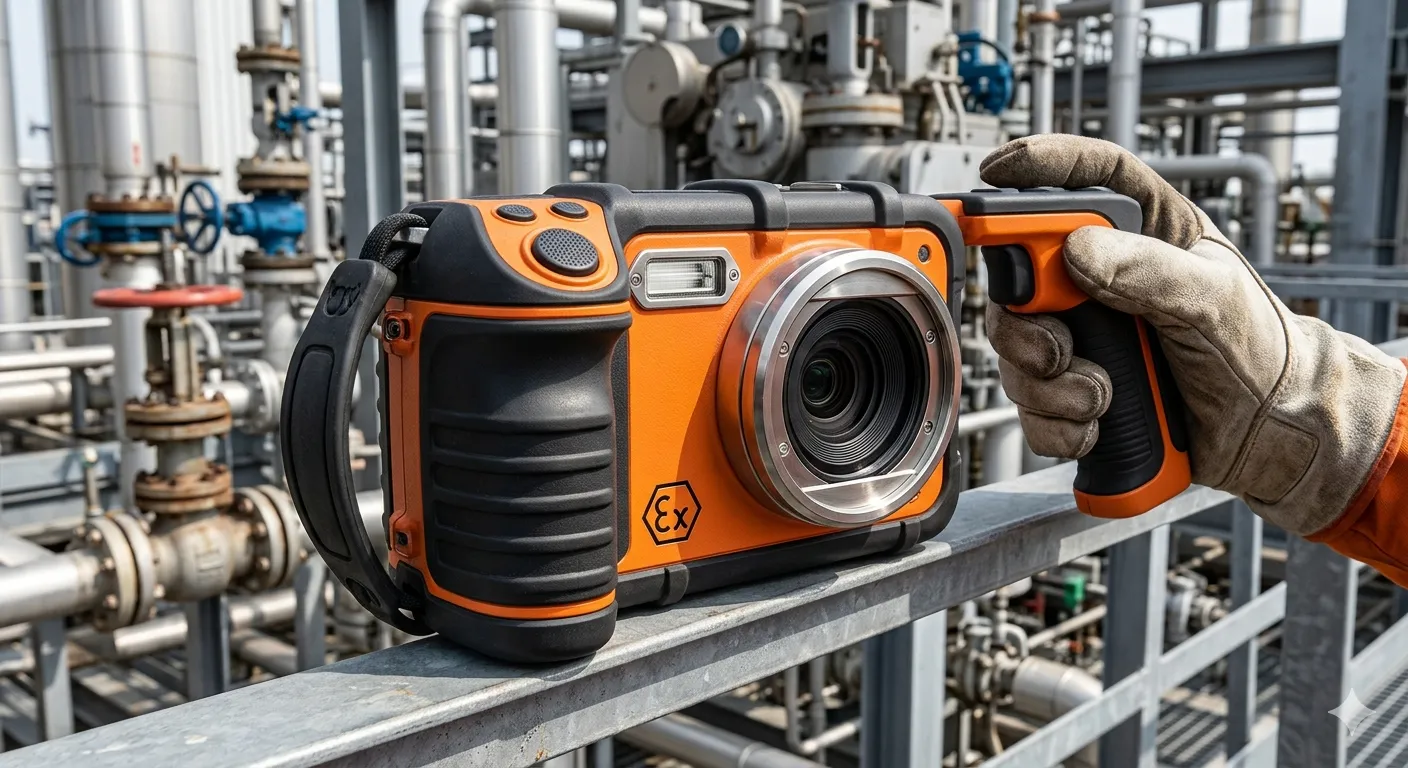
The Cost of Getting It Wrong in Either Direction
Over-specifying is the more common error in facilities that are risk-averse or working without clear zone documentation. Deploying Category 1G or Category 2G cameras across a site where Zone 2 certification would suffice inflates your capital budget unnecessarily. Across a multi-camera installation — say, 20 to 40 units across a mid-sized processing facility — that cost differential compounds quickly.
Under-specifying is the more dangerous error. A Category 3G device installed in a Zone 1 area is a DSEAR violation. If the HSE identifies it during an inspection — or worse, if an incident occurs — the legal and financial consequences are severe. Enforcement notices, prosecution under the Health and Safety at Work Act 1974, and civil liability are all on the table.
The same logic applies to facilities operating across the UAE and wider Middle East, where ATEX-aligned regulations govern classified zone equipment with increasing rigour. Whether you are managing an offshore platform, an onshore refinery, or a petrochemical manufacturing site, the standard for equipment compliance is converging with UK and European frameworks. Getting your zone assessment right the first time is not a regional concern — it is a global operational standard.
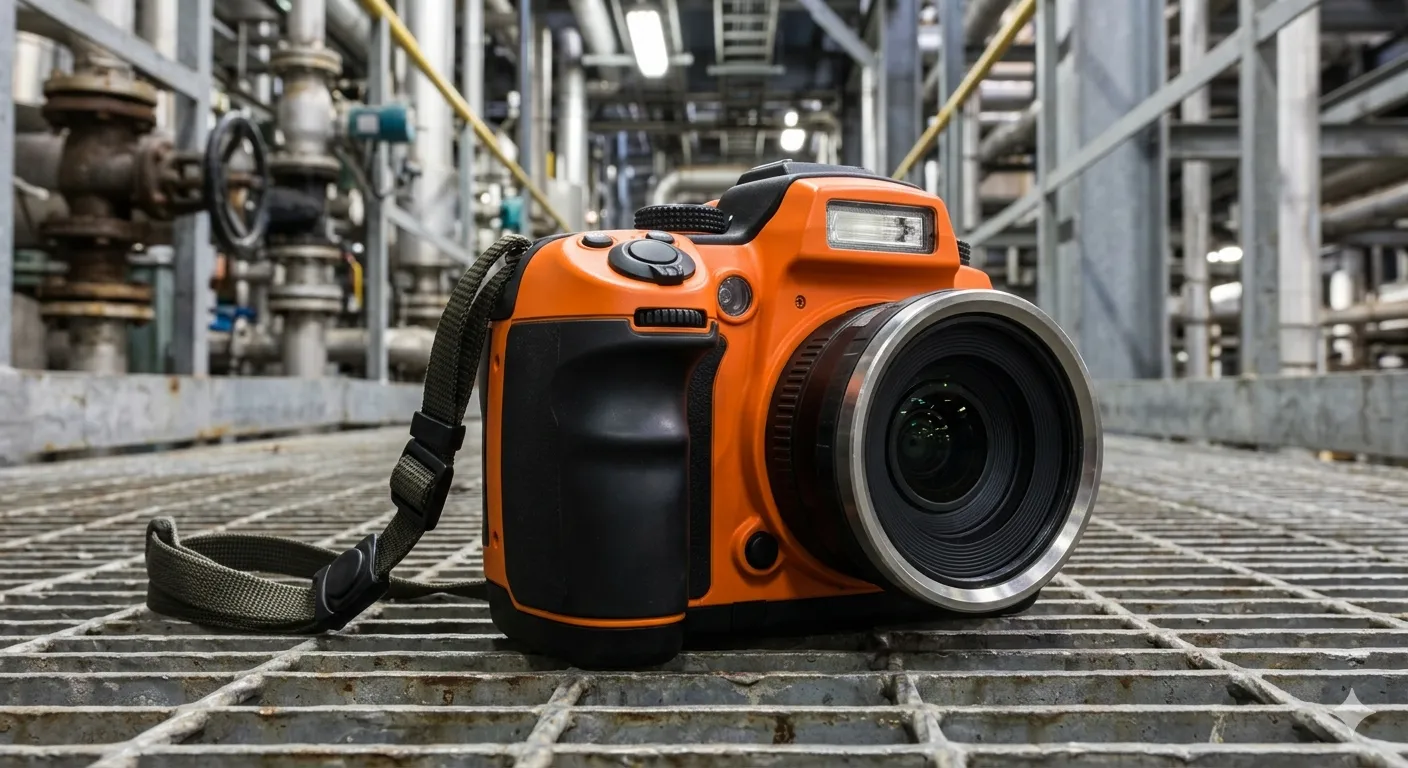
How to Build a Compliant Camera Specification
Start with your zone classification map. If you do not have one, commission it before purchasing any equipment. Then work through the following:
- Identify the zone classification (Zone 1 or Zone 2) for each camera location
- Determine the relevant gas group (IIA, IIB, or IIC) for your site's specific hazardous substances
- Establish the required temperature class (T1 through T6) based on auto-ignition temperatures
- Match camera equipment categories to zone requirements
- Verify IECEx or ATEX certification marks and confirm they cover your gas group and temperature class
If you are at the stage of evaluating suppliers and ready to Get Quote for explosion proof digital camera options matched to your specific zone data, provide this information upfront. A competent supplier will cross-reference your requirements against certified product specifications rather than defaulting to their highest-margin line.
Conclusion
The Zone 1 versus Zone 2 decision is one of the most consequential specifications in any hazardous area camera project. As procurement frameworks tighten and HSE enforcement becomes more proactive, the days of approximate compliance are ending. Facilities that invest in accurate zone documentation and correctly matched equipment will find their audit position significantly stronger — and their total cost of ownership lower over the asset lifecycle. If you are ready to Buy SharpEagle explosion proof digital camera equipment for your facility and want to approach the selection process with full confidence, the recommended read is: 10 things to consider when buying an explosion-proof digital camera

















Sign in to leave a comment.