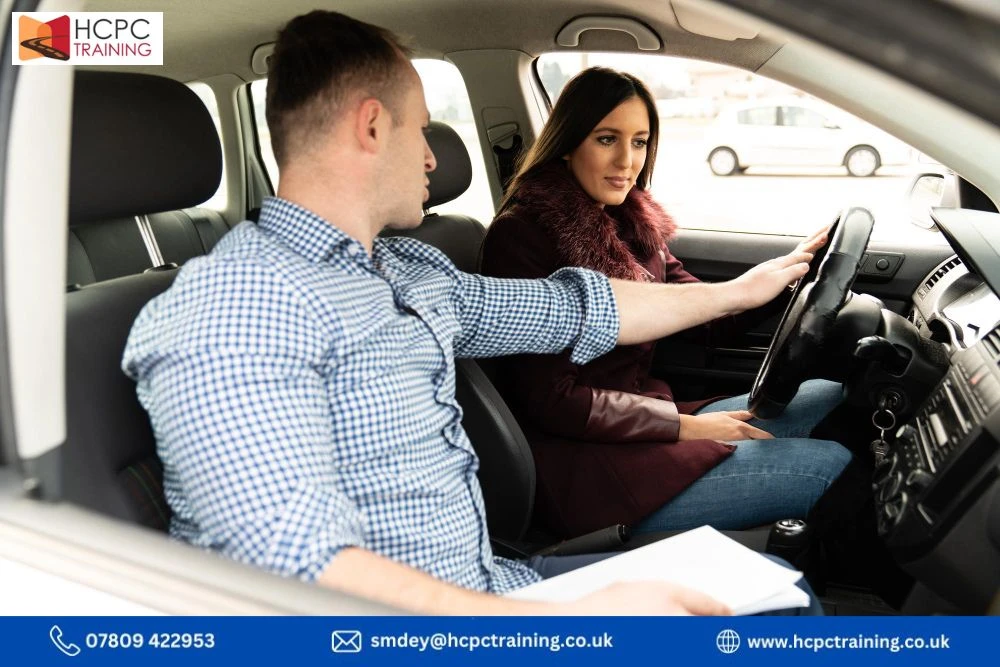
The Driver Certificate of Professional Competence (CPC) is a mandatory qualification for professional bus, coach, and lorry drivers in the UK and across Europe. This certification aims to enhance road safety and ensure drivers maintain high standards of competence. Whether you're an aspiring driver or an experienced professional, understanding CPC driver training is crucial for legal compliance and career advancement.
What Is CPC Driver Training?
CPC driver training refers to a set of standards introduced to improve the knowledge and skills of professional drivers. It ensures that drivers are both competent and up-to-date with current legislation, contributing to overall road safety.
Key Components of CPC Training:
- Road Safety Awareness: Emphasising defensive driving techniques to prevent accidents.
- Vehicle Maintenance Knowledge: Understanding routine checks to ensure vehicle safety.
- Fuel-Efficient Driving: Techniques to reduce fuel consumption and environmental impact.
- Compliance with Regulations: Adherence to driver hours and tachograph rules.
- Understanding Vulnerable Road Users: Recognising the needs of pedestrians, cyclists, and motorcyclists.
Types of CPC Driver Training: Initial vs. Periodic
Initial CPC Training
New drivers entering the profession must complete Initial CPC training, which includes:
- Theory Test: Multiple-choice questions and case studies assessing knowledge of road safety and regulations.
- Practical Demonstration (Module 4): Showcasing the ability to handle various scenarios, such as loading and security.
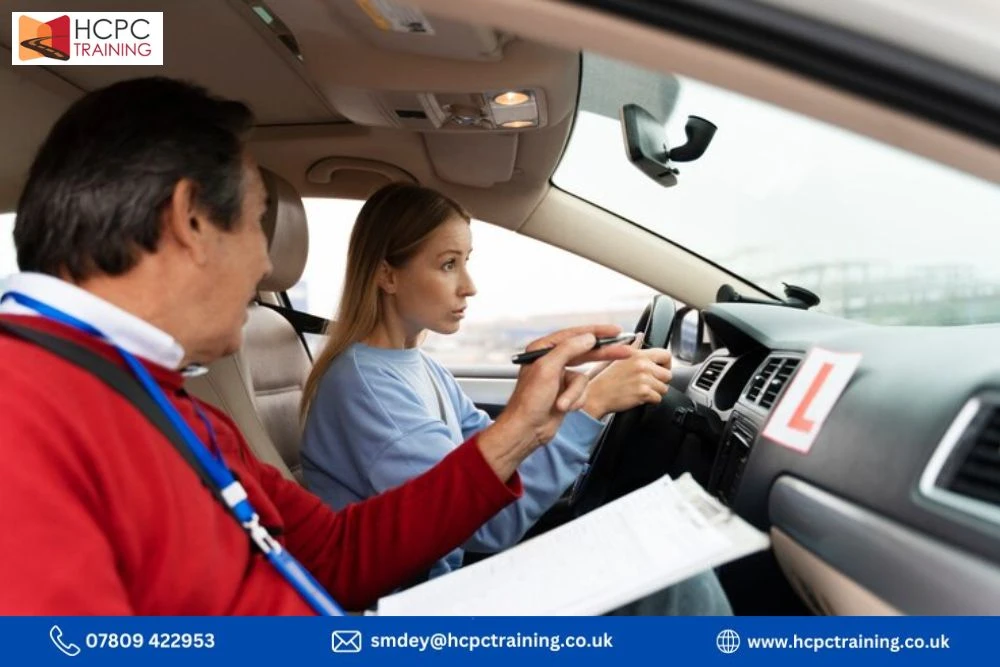
- Driving Ability Test (Module 3): Evaluating practical driving skills.
Upon successful completion, drivers receive the Driver Qualification Card (DQC), allowing them to operate professionally.
Periodic CPC Training
To maintain their qualification, drivers must undertake 35 hours of periodic training every five years. This training covers various topics, including:
- Tachograph and Working Time Regulations: Ensuring compliance with legal driving hours.
- Fuel-Efficient and Eco-Driving Techniques: Promoting environmentally friendly driving practices.
- Handling and Securing Loads: Proper techniques to ensure cargo safety.
- Customer Service and Professional Standards: Enhancing interaction with clients and the public.
Failure to complete this training can result in the loss of the DQC, making it illegal to drive professionally.
CPC Driver Training Course Details
Course Content
CPC courses encompass a wide range of subjects to ensure drivers are well-prepared for their roles:
- Road Safety and Accident Prevention: Strategies to avoid collisions and handle emergencies.
- Tachograph and Working Time Regulations: Understanding legal requirements for driving hours.
- Fuel-Efficient Driving: Techniques to minimise fuel consumption.
- Handling and Securing Loads: Ensuring cargo is safely loaded and transported.
- Customer Service: Improving interactions with passengers and clients.
- Emergency Procedures and First Aid: Responding effectively to accidents or health issues.
- Safe Urban Driving: Navigating city environments safely.
- Driver Wellbeing: Maintaining mental and physical health.
- Vehicle Inspections: Conducting daily checks to ensure vehicle safety.
Course Format and Duration
CPC training offers flexibility in delivery:
- Classroom Training: Traditional in-person sessions with instructors.
- Online Training: E-learning modules that can be completed remotely.
- On-Site Training: Customised sessions conducted at a company's premises.
Each module typically lasts 7 hours, and drivers can choose how to distribute the 35 hours over the five-year period.
The cost of CPC training varies based on the provider and course format. Factors influencing price include:
- Training Provider: Established centres may charge more for their reputation and resources.
- Course Format: Online courses might be more affordable than in-person sessions.
- Location: Prices can vary depending on the region and associated costs.
Some employers offer financial assistance or cover the training costs for their drivers. Additionally, grants or subsidies may be available through industry bodies or government schemes.
Where to Take CPC Driver Training
Finding an accredited training centre is essential for valid certification. The UK government provides a list of approved providers.
Considerations When Choosing a Training Centre:
- Accreditation: Ensure the centre is approved by the Driver and Vehicle Standards Agency (DVSA).
- Location: Proximity to your residence or workplace for convenience.
- Course Offerings: Availability of specific modules relevant to your needs.
- Flexibility: Options for online or weekend courses to fit your schedule.
CPC Certification for Different Driving Professions
HGV & LGV Drivers
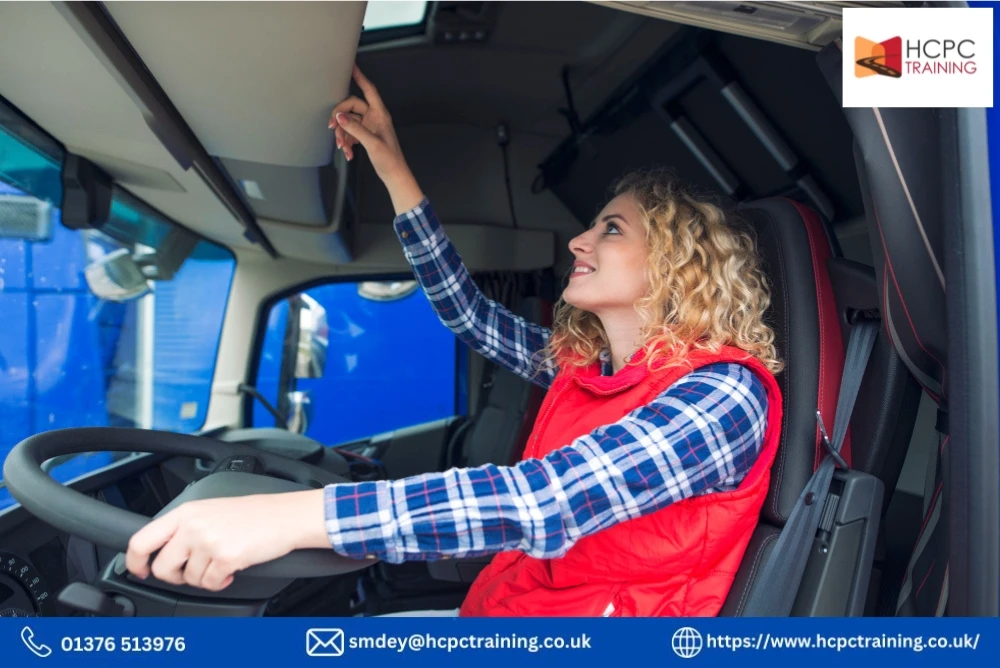
Heavy Goods Vehicle (HGV) and Large Goods Vehicle (LGV) drivers are required to hold a valid CPC to operate legally. This training ensures they can handle large vehicles safely, understand loading procedures, and comply with regulations.
PCV Drivers (Bus & Coach Drivers)
Passenger Carrying Vehicle (PCV) drivers, such as bus and coach operators, must also obtain CPC certification. The training focuses on passenger safety, customer service, and efficient route planning to enhance public transport services.
Transport Managers
Transport managers overseeing fleet operations are encouraged to undertake CPC training. It equips them with knowledge of legal obligations, safety standards, and efficient logistics management, ensuring compliance and operational efficiency.
Benefits of CPC Driver Training
Completing CPC training offers numerous advantages:
- Legal Compliance: Meeting mandatory requirements to operate professionally.
- Enhanced Safety: Reducing accident risks through improved driving practices.
- Career Advancement: Demonstrating commitment to professional development can lead to better job opportunities.
- Cost Savings: Implementing fuel-efficient techniques lowers operational costs.
- Public Confidence: Ensuring passengers and clients feel secure with well-trained drivers.
Frequently Asked Questions (FAQs)
Q: What is CPC driver training and why is it important?
A: CPC driver training ensures drivers are knowledgeable about road safety, vehicle maintenance, and legal compliance. It’s essential for professional bus, coach, and lorry drivers to meet legal requirements and ensure safety.
Q: How long does CPC driver training take?
A: CPC training requires 35 hours every five years. You can complete it through various formats, including classroom, online, or on-site training, with each module typically lasting 7 hours.
Q: Who needs CPC driver training?
A: Professional drivers of heavy goods vehicles (HGVs), large goods vehicles (LGVs), and passenger carrying vehicles (PCVs) must complete CPC training to ensure road safety and legal compliance.
Q: Can I take CPC driver training online?
A: Yes, many accredited training centres offer online CPC training, providing flexibility for drivers to complete the course at their own pace and convenience.
Q: What happens if I don’t complete my CPC training?
A: If you fail to complete the required periodic CPC training, you may lose your Driver Qualification Card (DQC), making it illegal for you to drive professionally.
Conclusion
CPC driver training is a vital component of the professional driving industry, ensuring that drivers are competent, compliant, and committed to safety. By understanding and fulfilling CPC requirements, drivers not only adhere to legal standards but also contribute to safer roads and a more efficient transport industry. Staying updated with periodic training ensures continuous skill enhancement, benefiting both individual careers and the broader community. Investing in CPC training is not just a legal necessity—it’s a professional responsibility that ensures long-term success in the driving profession.























Sign in to leave a comment.