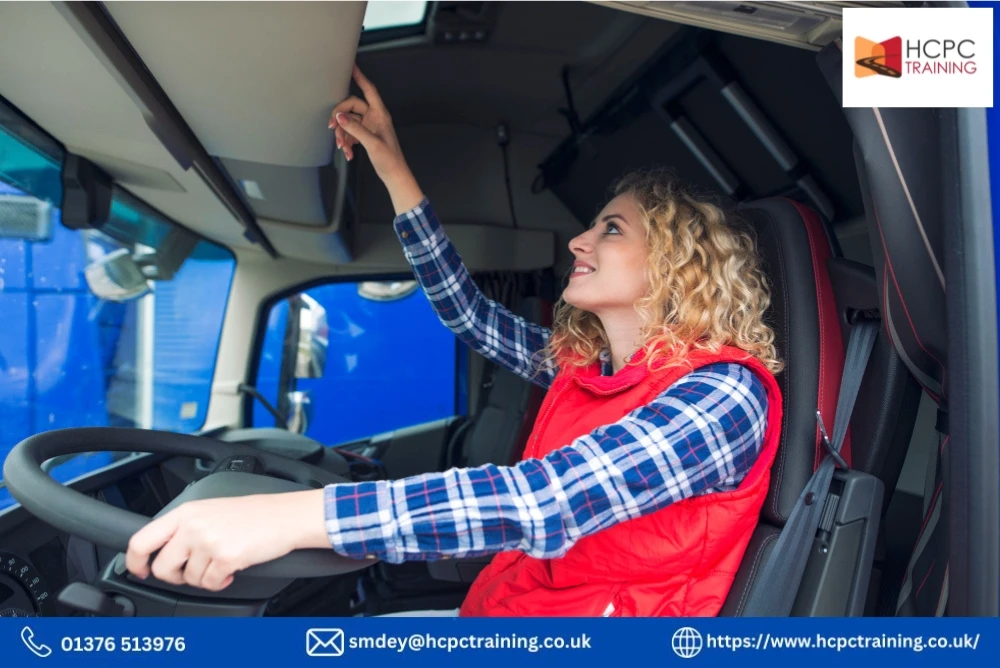
Essex transport training plays a crucial role in preparing professional drivers for the demands of road safety and efficient transport operations. Whether you're seeking to improve your skills or meet regulatory standards, Essex offers a wide variety of transport training courses tailored to various sectors. In this article, we will explore the types of transport training available, their costs, and how you can get certified. This comprehensive guide will help you navigate through Essex driver training, training costs, and certification procedures.
What is Essex Transport Training?
Essex transport training is a set of courses that teach drivers the skills they need to drive safely and legally. The training covers different types of vehicles, from heavy goods vehicles (HGVs) to passenger vehicles (PCVs). It helps drivers meet the standards set by the Driver and Vehicle Standards Agency (DVSA).
Training in Essex is important for reducing accidents and improving road safety. A big goal of the training is to help drivers get their Driver Qualification Card (DQC). This card is required for many professional drivers. Essex transport training also follows both local and national plans to make road transport safer and more efficient. It helps drivers follow the rules and contributes to a safer, cleaner road network.
Types of Transport Training in Essex
Essex offers various types of training for different sectors within the transport industry. Each course caters to a specific vehicle type and driver skillset.
HGV Training
- Heavy Goods Vehicle (HGV) Drivers: This training is designed for those operating vehicles over 3.5 tonnes.
- Course Content: Includes vehicle operation, manual handling, safety regulations, and practical driving tests.
- Eligibility Requirements: Typically requires a valid UK driving licence and a medical certificate.
LGV Training
- Large Goods Vehicles (LGV): Training for vehicles between 3.5 and 7.5 tonnes, essential for goods transportation.
- Practical and Theoretical Assessments: Includes practical tests for road safety and vehicle handling.
PCV Training
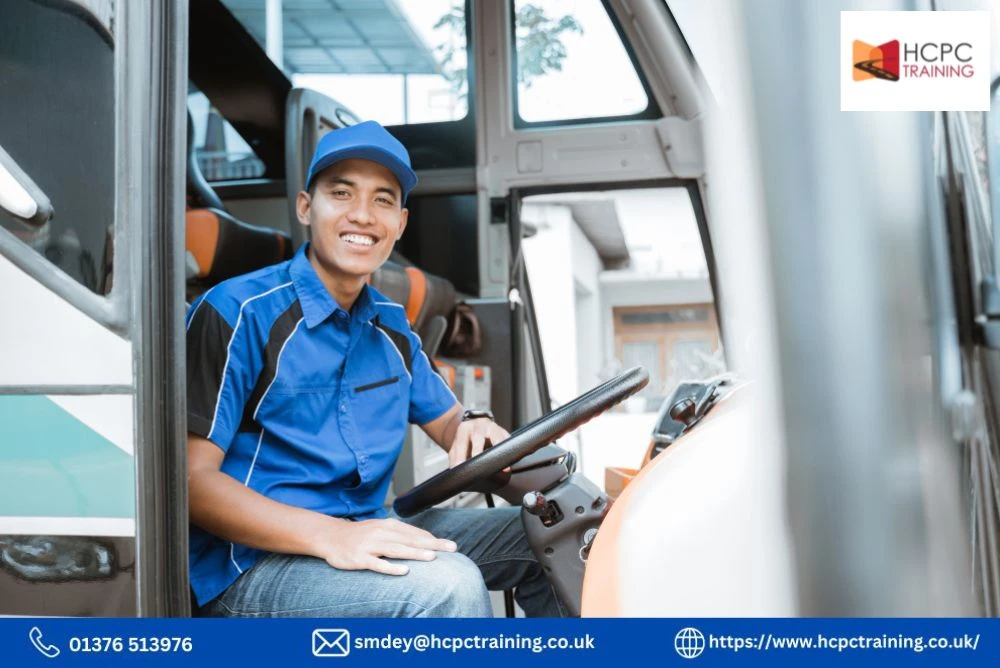
- Passenger Carrying Vehicles: Designed for drivers working with buses, coaches, or minibuses.
- Course Focus: Vehicle operation, passenger safety, and public transport regulations.
- Driver Responsibility: Emphasises safe driving practices when carrying passengers.
Forklift Training
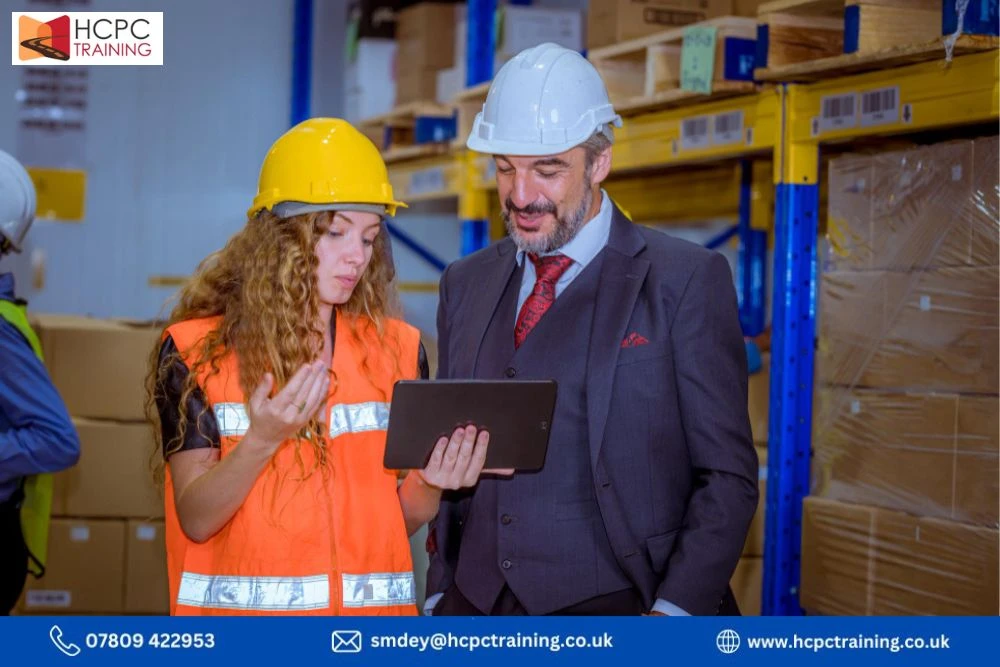
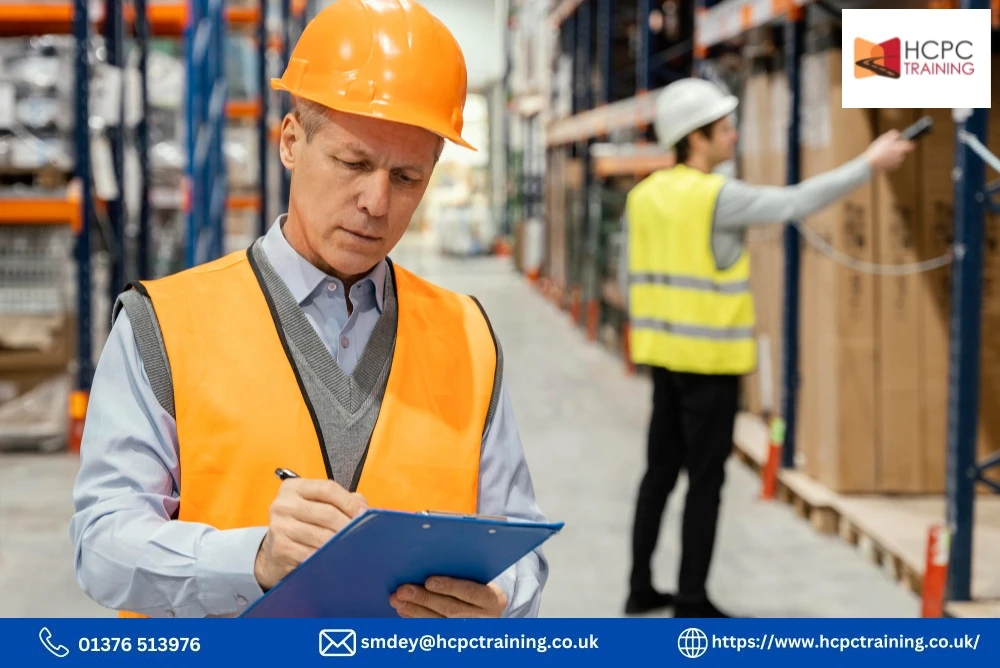
- Specialised Forklift Training: Essential for individuals working with heavy machinery, typically within warehouse or logistics environments.
- Course Content: Includes operational procedures, safety protocols, and proper manual handling techniques.
CPC Training
- Driver CPC: A mandatory qualification for professional drivers, ensuring they maintain up-to-date knowledge of road safety regulations.
- Initial and Periodic CPC: Includes both introductory and ongoing training courses to maintain certification.
Why is Essex Transport Training Important for Drivers?
Essex transport training provides a structured approach to developing professional driving skills, ensuring drivers can perform their duties efficiently and in compliance with regulations.
Driver and Vehicle Standards Agency (DVSA) Regulations
- Compliance with DVSA: Training helps drivers adhere to the Driver and Vehicle Standards Agency’s requirements, ensuring road safety and legal compliance.
- Avoiding Penalties: Drivers without proper certifications may face penalties or restrictions on their ability to operate commercial vehicles.
Impact of CPC Certification
- Competence and Safety: CPC training improves drivers’ knowledge and competence, contributing to better safety records.
- Career Advancement: Many employers in the transport sector require CPC certification, offering better job prospects and opportunities for career growth.
Drivers’ Education
- Improved Skills: Essex transport training fosters a strong understanding of vehicle handling, road regulations, and customer service, essential for long-term career success.
- Enhanced Confidence: Well-trained drivers are more confident, reducing the likelihood of accidents and costly errors.
What Will You Learn in Essex Transport Training Courses?
Essex transport training courses focus on both theoretical knowledge and practical skills required to operate vehicles efficiently and safely.
Curriculum Overview
- Vehicle Operation: Training covers the handling of vehicles, including basic repairs, operations, and maintenance.
- Manual Handling: Courses teach safe lifting and handling practices, especially for those working in logistics or with large vehicles.
- Road Safety: Emphasises safety protocols, accident prevention, and how to manage emergency situations.
Skill Development
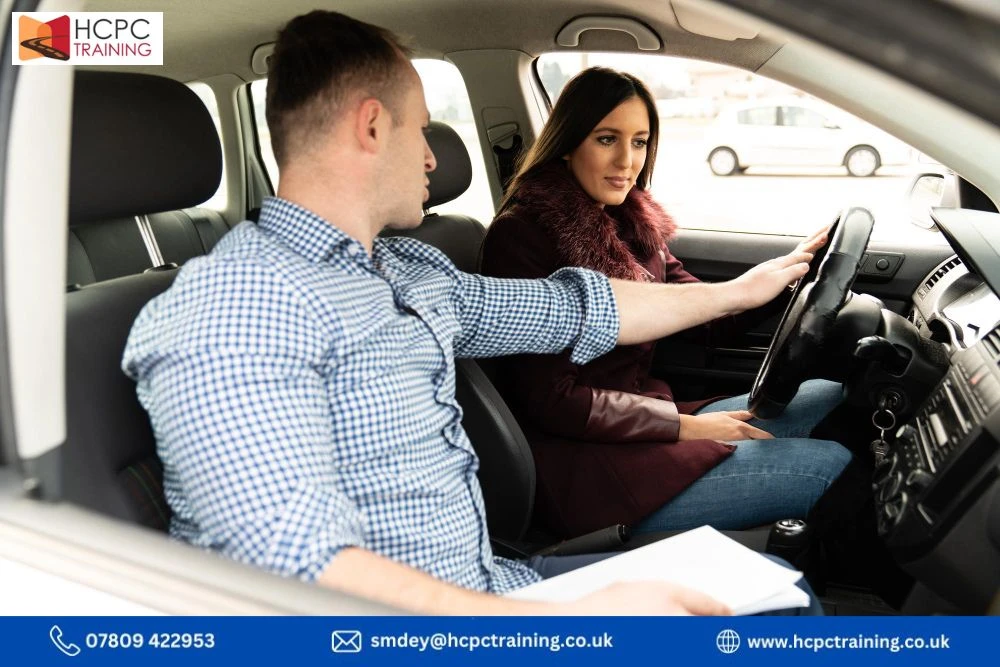
- Practical Driving Skills: Training courses include behind-the-wheel practice, focusing on safe driving, manoeuvring large vehicles, and handling different road conditions.
- Vehicle Technology: Understanding vehicle technology such as tachographs, GPS systems, and in-cab monitoring devices.
Exams and Assessments
- Multiple Choice Exams: Participants will need to pass theoretical tests, which assess their knowledge of road laws, safety procedures, and regulations.
- Practical Driving Tests: After completing training, candidates must demonstrate their driving skills in a real-world environment to gain certification.
How Long Does Essex Transport Training Take?
The length of time required to complete Essex transport training depends on the type of course and your prior experience.
- HGV Training: Typically takes around 4-6 weeks, depending on the course and individual progress.
- CPC Training: Initial CPC training usually lasts 4 days, with periodic training courses conducted every 5 years.
- Forklift and LGV Training: These courses vary but generally take between 1-2 weeks for completion.
How Much Does Essex Transport Training Cost?
Transport training in Essex varies in cost depending on the course type, training provider, and location.
- CPC Course Costs: Generally range from £200 to £500 depending on whether it’s an initial or periodic course.
- HGV Training Costs: Can cost between £1,000 and £3,000, depending on the type of vehicle and the number of lessons included.
- Forklift Training: Typically costs around £300-£600, depending on the level and duration of the course.
- Factors Affecting Cost: The training facility’s location, the duration of the course, and whether online or in-person training is offered.
Financial Support or Grants
Some transport training centres in Essex may offer financial assistance, including flexible payment plans or access to government grants to help cover training costs.
Where Can You Take Transport Training in Essex?
There are several reputable training centres in Essex that offer accredited transport training courses. These centres provide both in-person and online training options for drivers looking to improve their skills.
- Reputable Training Centres: Look for accredited training providers with positive reviews and industry recognition.
- Online Options: Many Essex-based providers also offer online transport training, which is particularly beneficial for those with busy schedules.
How to Choose the Right Essex Transport Training Course
Choosing the right training course can significantly impact your career in the transport industry. Here’s what to consider when making your decision:
Key Considerations
- Accreditation: Always select a training provider that is accredited by recognised industry bodies such as the DVSA.
- Course Variety: Ensure the provider offers courses tailored to your specific needs (HGV, LGV, CPC, etc.).
- Instructor Experience: Experienced instructors will ensure high-quality teaching and provide valuable insights into the transport sector.
Online vs In-Person Training
- Online Training: Convenient and flexible, but may lack hands-on driving experience.
- In-Person Training: Provides more interactive learning with hands-on driving practice.
Benefits of Essex Transport Training for Your Career
Undergoing transport training in Essex can open up numerous career opportunities, especially in the growing transport and logistics sector.
- Career Opportunities: Professional driver qualifications such as CPC certification and HGV licences are essential for entering the road haulage industry.
- Ongoing Development: Periodic CPC training ensures drivers remain up-to-date with the latest regulations and best practices.
- Compliance and Job Security: Well-trained drivers with up-to-date certifications are highly sought after by employers, enhancing job stability and growth.
The Future of Transport Training in Essex
The demand for skilled drivers in Essex is expected to grow as the transport sector continues to evolve.
- Increased Demand for Drivers: The logistics and road haulage industry is expanding, creating more opportunities for qualified drivers.
- Emphasis on Road Safety: With an increased focus on road safety and environmental standards, Essex’s transport training is adapting to meet new regulatory requirements.
- Role of Transport Managers: Transport managers are crucial in coordinating driver training, ensuring compliance, and implementing safety measures across the region.
Frequently Asked Questions (FAQs)
Q: What types of transport training are available in Essex?
A: Essex offers a range of transport training courses, including HGV, LGV, PCV, forklift, and CPC training, tailored to specific vehicles and driver needs.
Q: How long does Essex transport training take?
A: Training duration varies by course. HGV and LGV training typically lasts 4-6 weeks, while CPC courses take around 4 days. Forklift training usually takes 1-2 weeks.
Q: What are the costs of Essex transport training?
A: CPC courses range from £200 to £500, HGV training can cost between £1,000 and £3,000, and forklift training is typically £300-£600, depending on the provider.
Q: Where can I take Essex transport training?
A: Accredited training centres in Essex offer both in-person and online training. Look for providers with good reviews and DVSA accreditation.
Q: Why is CPC certification important for drivers in Essex?
A: CPC certification is mandatory for professional drivers. It helps ensure compliance with road safety regulations, improves driving skills, and enhances career opportunities.
Conclusion
Essex transport training plays an essential role in preparing drivers for a successful career in the transport and logistics industry. By gaining the necessary qualifications such as CPC and HGV certifications, drivers can ensure compliance, improve safety, and enhance their career prospects. If you’re looking to enter the transport sector or upgrade your skills, Essex offers a range of accredited training courses to help you succeed. Explore your options today and get started on your journey to becoming a qualified driver in Essex.

























Sign in to leave a comment.